If you’re a dog parent, you’ve probably wondered whether the foods you love are safe to share with your pup. Salmon is a popular fish known for its rich flavor and healthy fats.
You’ve likely seen treats made just for dogs at the pet store. But what about salmon you prepare from scratch at home — is that safe for your dog to eat?
Can Dogs Eat Salmon?
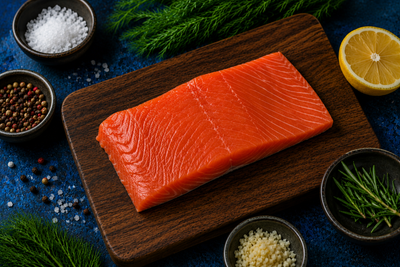
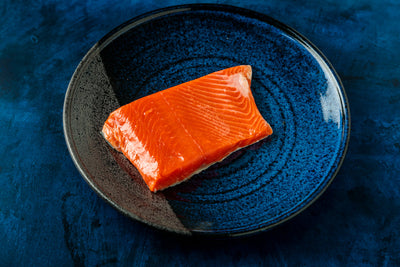
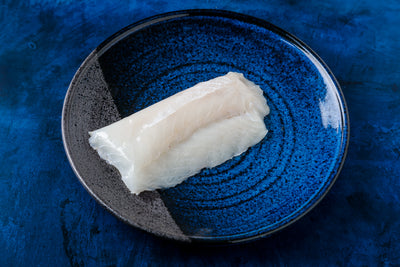
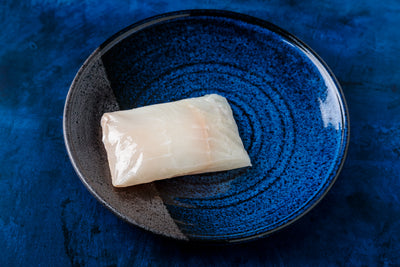
Yes. Dogs can eat salmon, and when prepared properly, it can be a healthy source of protein and omega-3 fatty acids. Plain, fully cooked salmon is generally safe for most dogs in moderation.
However, not all types of salmon are safe. The way salmon is prepared matters, as some forms may contain harmful bacteria, parasites, too much salt, or added ingredients that can be dangerous for dogs.
Can Dogs Eat Raw Salmon?
Raw salmon should never be given to dogs because it can carry parasites that cause salmon poisoning disease, opens in a new tab, a serious and potentially life-threatening condition if left untreated.
Can Dogs Eat Smoked Salmon?
Smoked salmon is also not recommended since it is usually high in salt and may contain seasonings or preservatives that can upset your dog’s stomach or put stress on their kidneys.
Can Dogs Eat Canned Salmon?
Canned salmon deserves extra caution as well. Many canned options are packed in oil or contain added salt, which isn’t ideal for dogs. Some also include small bones that could pose a choking risk.
That said, canned salmon packed in water with no added salt and with bones removed is generally considered safe when offered in small amounts.
The Health Benefits of Salmon for Dogs
Salmon can be very good for dogs when it’s cooked properly and served in moderation. One of its biggest benefits is that it’s rich in omega-3 fatty acids. These healthy fats support your dog’s skin and coat by helping reduce dryness and itchiness.
Omega-3s also have natural anti-inflammatory properties that may help reduce pain and improve mobility for dogs with stiff joints.
Salmon is also a high-quality source of lean protein, which dogs need to build and maintain strong muscles. Protein supports muscle growth and tissue repair.
In addition, salmon provides several important vitamins. These include vitamin D, which helps maintain strong bones and supports calcium absorption, as well as vitamin B12, which is important for nerve function and red blood cell production.
How Should I Prepare Salmon for My Dog?
When preparing salmon for your dog, the most important rule is to cook it thoroughly.
You can bake, boil, or steam salmon until it is fully cooked helps kill harmful parasites and bacteria and makes it safe for your dog to eat.
It’s also best to choose boneless salmon fillets. Fish bones, even small ones, can be a choking hazard or cause injury to your dog’s mouth, throat, or digestive tract.
Avoid adding oils, butter, salt, garlic, onions, or seasonings, as these ingredients can upset your dog’s stomach or be harmful. Plain, simply cooked salmon is the safest option.
Portion size matters too. Salmon should be offered as an occasional treat or meal topper, not a daily replacement for a balanced dog food. Small dogs only need a few small bites, while medium to large dogs can handle slightly larger portions.
Breed size and body weight make a difference because smaller dogs have more sensitive digestive systems and can be affected more easily by rich foods.
As a general rule, treats (including salmon) should make up no more than about 10% of your dog’s daily calories.
It’s also important to remember that some dogs may be allergic to seafood, opens in a new tab. If your dog has never eaten salmon before, introduce it slowly. Start with a small portion and watch your pooch over the next several hours.
Signs of an allergic reaction can include itching, red or irritated skin or ears, vomiting, diarrhea, or swelling around the face or mouth. If you notice any of these symptoms, stop feeding salmon and contact your veterinarian.
Summary
Dogs can eat salmon, and it can be a healthy, tasty addition to their diet when prepared safely. Remember to cook it fully, avoid seasonings, and start with small portions, especially if your dog is new to seafood or has a sensitive stomach.