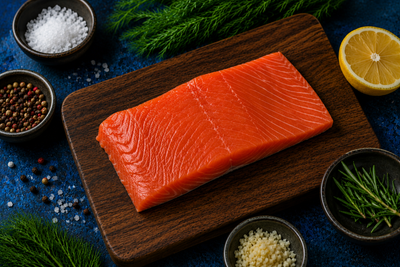
As a fisherman, I’ve always respected using as much of the catch as possible. When I cooked that salmon with the skin on, I was surprised by how crispy, flavorful, and satisfying it was.
Some people wonder if salmon skin is safe to eat or if it should be removed before cooking. I get it. For years, I watched friends scrape it off their plates without a second thought. But once you understand what salmon skin offers, and how to prepare it properly, it’s hard to see it as something to throw away.
I’ll cover everything you need to know about eating salmon skin, including its health benefits and any precautions to consider.
Can You Eat Salmon Skin?
Yes — you can eat salmon skin, and it’s safe for most people. Salmon skin comes from the same fish as the fillet, so if the salmon itself is safe to eat, the skin usually is too.
The key is choosing good-quality salmon and cooking it well. I always make sure the skin is cleaned, scaled, and fully cooked before eating it.
Many people also ask if salmon is okay during pregnancy, and that includes the skin. In general, salmon is considered one of the safer fish to eat while pregnant because it is low in mercury and high in helpful nutrients like protein and omega-3 fatty acids. (Of course, pregnant women should always follow advice from their healthcare provider and avoid raw or undercooked fish.)
So, whether you’re cooking for yourself or your family, salmon skin doesn’t have to go in the trash.
Benefits of Eating Salmon Skin
Now that we know salmon skin is safe to eat, let’s talk about why it’s worth keeping. Many of the same salmon benefits found in the fillet are also found in the skin.
From protein and healthy fats to important nutrients, and even extra flavor, salmon skin has a lot to offer.
Good source of protein
Salmon skin may be thin, but it’s surprisingly packed with protein. For example, a 15‑gram (about half-ounce) serving contains around 10 grams of protein. That’s a lot for such a small bite!
Even when cooked fresh on the fish, salmon skin still adds protein to your meal, especially when eaten with the fillet.
The protein in salmon skin is rich in collagen, which helps support healthy skin and hair. Protein gives your body the building blocks it needs to repair tissues, grow hair, and keep skin strong and flexible. That’s another reason I like leaving the skin on.
Rich in omega-3 fatty acids and healthy fats
In a typical 3‑ounce cooked salmon portion, including the skin, there can be about 1–3 grams of EPA and DHA, the types of omega‑3s most linked to health benefits.
Omega‑3s help support your heart by keeping cholesterol in check. They are also great for your brain, as they support memory and cognitive health. Omega-3s also help keep your eyes functioning well.
I care a lot about gut health, and omega‑3s can reduce inflammation in your digestive system, which helps heal your gut. They also help your body repair itself, which can support wound healing, and some studies suggest they may even lower the risk of certain types of cancer.
On top of all that, salmon skin contains other healthy fats that keep you full and help your body use nutrients more effectively.
Contains essential vitamins and minerals
Some of the most important nutrients found in salmon (and in the skin along with the flesh) include vitamin D, which helps your body absorb calcium and supports your immune system.
B vitamins like vitamin B12, B6, niacin, and pantothenic acid in salmon skin help turn the food you eat into energy. They also keep your nerves and red blood cells healthy.
A typical 3.5‑ounce (100‑gram) serving of salmon can provide more than 100% of the daily value for vitamin B12 and a good portion of the daily needs for niacin and vitamin B6.
If you choose to eat salmon skin along with the fish, you’re making sure you get a fuller range of salmon’s nutritional benefits in every bite.
Adds flavor and texture
Salmon skin brings a rich, umami-like flavor that deepens the taste of the fish. When crisped in a hot pan or oven, it provides a satisfying crunch that contrasts beautifully with the tender salmon flesh.
A simple tip: lightly season the skin with salt and a dash of olive oil before cooking to enhance its natural savoriness and texture. The result is a flavorful bite that’s both crispy and deeply satisfying!
Risk and Precautions
When enjoying salmon, it’s important to be mindful of potential risks and take precautions. Some people may have allergies to fish, which can trigger reactions ranging from mild to severe.
Salmon can also contain environmental contaminants like dioxins, polychlorinated biphenyls (PCBs), microplastics, and traces of pharmaceuticals, which are particularly important to consider for pregnant or nursing women.
To minimize risks, choose wild-caught or responsibly farmed salmon when possible, vary your seafood intake, and avoid overconsumption. For guidance on frequency and portion sizes, you can check out our article.
Best Ways to Eat Salmon Skin
Salmon skin is considered a delicacy when it’s crispy, as it offers a satisfying crunch and a deep, savory flavor. Preparing it properly brings out its best texture and taste!
You can have it pan-seared, grilled, or broiled:
Pan-seared
Pan searing salmon is quick and locks in flavor. Heat a bit of oil in a nonstick or cast-iron pan, place the salmon skin-side down, and press lightly to keep it flat.
Cook until the skin turns golden brown and crispy, then carefully flip the fillet to finish cooking the flesh. The result is a delightful contrast between crunchy skin and tender, flaky salmon.
Grilled
Grilling salmon skin adds a smoky note that pairs beautifully with the fish’s natural richness. Make sure the grill grates are clean and oiled to prevent sticking.
Cook skin-side down first and let it crisp up before gently turning it over to finish cooking. Grilled salmon skin works wonderfully in outdoor meals and gives a slightly charred, savory flavor.
Broiled
Broiling is an easy way to achieve ultra-crispy salmon skin without added fat. Place the fillet skin-side up on a broiler pan and position it a few inches from the heat source.
Keep a close eye on it as it crisps, usually taking just a few minutes. Broiled salmon skin is perfect when you want a quick, flavorful addition to salads, rice bowls, or as a crunchy snack.
Summary
If you’re just starting to explore cooking fish, leaving the skin on your fillets ensures you enjoy the full range of flavor and nutrition. From its protein and collagen to omega-3 fatty acids, vitamins, and minerals, salmon skin provides many of the same health benefits as the fillet.
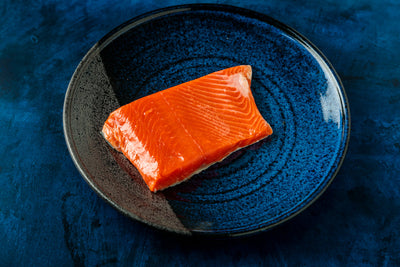
Try our Wild Alaskan Sockeye Salmon or Wild Alaskan King Salmon fillets for a premium experience. They’re satisfying and packed with goodness from tip to tail.
FAQs
Is it okay to eat the scales on salmon skin?
While the skin itself is edible, the scales can be tough and unpleasant to chew. Most recipes recommend removing scales before cooking. Crispy, well-cooked skin without scales is the best way to enjoy salmon.
Is salmon skin high in mercury?
Salmon, including its skin, is generally low in mercury compared with other fish. Wild-caught Alaskan salmon is considered one of the safest options. It’s suitable for most people, including pregnant and nursing women.
Does salmon skin contain toxins?
Like all seafood, salmon skin can contain trace amounts of environmental contaminants such as dioxins, PCBs, and microplastics. Choosing wild-caught or responsibly farmed salmon and eating it in moderation helps minimize exposure.