As someone who cares about preparing nutritious and family-friendly meals, I know that choosing the right salmon matters. Deciding between coho and sockeye can take some thought, as both varieties provide high-quality protein, heart-healthy omega-3 fats, and important nutrients.
However, they vary in flavor, texture, color, and the way they cook. One has a rich, bold taste, while the other is milder and more delicate.
After preparing both coho and sockeye salmon many times, I've come to appreciate what makes each one unique. I'll share what I've learned to help you find the salmon that best fits your needs and preferences.
Meet the Two Salmon Favorites
Coho and sockeye are both wild Pacific salmon that come from the cold waters of the North Pacific Ocean. People have enjoyed them for generations. In fact, they’re among the most commonly harvested Pacific salmon because of their excellent flavor, firm texture, and nutritional value.
Sockeye Salmon: The Bold and Flavorful Salmon
Sockeye salmon (Oncorhynchus nerka) is a wild Pacific salmon species known for its deep red flesh and rich, full-bodied flavor.
It spends part of its life in the cold waters of the North Pacific Ocean before returning to freshwater lakes and rivers to spawn. During this journey, sockeye undergoes a remarkable transformation by changing from a bright silver fish into one with a vivid red body and green head.
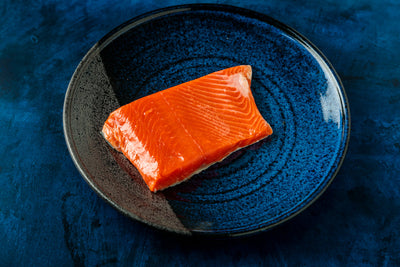
One of the most interesting things about sockeye is its naturally bright red meat. This color comes from astaxanthin, a powerful antioxidant found in the krill and other tiny crustaceans it eats.
Coho Salmon: The Mild and Versatile Salmon
Coho salmon (Oncorhynchus kisutch), also called silver salmon, is another wild Pacific salmon species. It gets its nickname from the shiny silver scales it has while living in the ocean.
Like sockeye, coho is born in freshwater, migrates to the Pacific Ocean to grow, and later returns to its home streams to spawn.
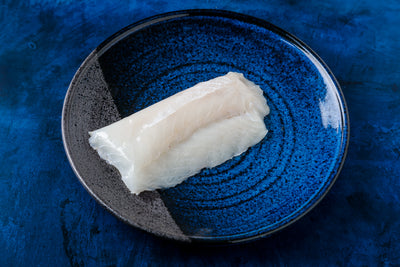
Coho is known for its mild flavor, tender texture, and slightly higher fat content than sockeye. These qualities give it a soft, juicy bite that appeals to many people, especially those who prefer a less intense seafood flavor.
Choosing Between Coho and Sockeye
In my experience, coho and sockeye each have their own strengths, so my choice depends on the meal I’m planning. The right salmon is not necessarily the priciest one or the one with the boldest taste, but the variety that fits my preferences and cooking method.

Taste & Texture Comparison
The most noticeable difference between coho and sockeye salmon is their flavor. Sockeye has a rich, bold, and slightly earthy taste that makes the fish stand out. Choose it if you want the salmon to be the star of your meal.
Coho, on the other hand, has a milder, cleaner taste that's easier for many people to enjoy. I would recommend it if you’re new to eating salmon or preparing salmon for guests who may be trying it for the first time.
Their textures are different, too. Sockeye has firm, lean flesh that stays together well during cooking. It feels meatier and has a satisfying bite. Coho contains a little more fat, so it has a softer, more tender, and slightly buttery texture that stays moist.
Nutrition Comparison
Both coho and sockeye are highly nutritious. They provide complete protein to support healthy muscles, along with heart-healthy omega-3 fats that help support the brain, eyes, and cardiovascular system.
They’re also excellent sources of vitamin D, vitamin B12, selenium, and other important nutrients.
However, if I’m choosing based on unique nutritional qualities, I would lean toward coho when I want a leaner salmon with fewer calories and less total fat. A 100-gram serving of wild coho provides about 146 calories, 21.6 grams of protein, and 5.9 grams of fat.
I would choose sockeye when I want a more nutrient-dense, higher-fat salmon with particularly rich omega-3 content. It provides about 168 calories, 21.3 grams of protein, and 8.6 grams of fat per 100-gram raw serving.
Another reason sockeye is so popular is its high amount of astaxanthin. Besides giving the fish its vibrant color, astaxanthin helps support the body’s natural defenses against oxidative stress.
So, if my priority is a leaner option, I may go for coho. If I want more natural richness and a deeper source of omega-3 fats and astaxanthin, sockeye would be my choice.
Cooking Methods
Through my own cooking experiences, I’ve found that coho benefits from gentle, moist cooking, while sockeye is especially enjoyable when cooked quickly so its rich flavor and firm texture remain intact.
I usually choose coho when I'm baking or poaching salmon. Baking it in parchment paper or foil with lemon slices, garlic, fresh herbs, and a drizzle of olive oil creates a flavorful meal with very little effort. Coho also works well for poaching because the slow, moist heat preserves its delicate texture.
When I'm cooking sockeye, I always reach for the grill or a hot skillet. Its firm flesh holds can withstand high heat, while its rich flavor shines with simple seasonings. Pan-searing creates crispy skin, and grilling adds a delicious smoky flavor that complements the fish.
Pro tip: Because sockeye is naturally leaner than coho, cook it just until it flakes easily with a fork. Overcooking can quickly dry out the fish.
Coho and Sockeye are Both Great Choices
Both coho and sockeye are excellent choices, and I don’t think you can go wrong with either one. I choose coho when I want a mild, tender salmon that works well with different flavors and cooking methods. When I'm craving a richer taste and firmer texture, sockeye is usually my pick.
In the end, the best salmon comes down to what you enjoy eating and how you plan to prepare it. Whether you bake coho with herbs and lemon or grill a bold sockeye fillet, both can make a nutritious and delicious addition to your family’s meals.
If you prefer a milder, tender salmon, you can order wild coho salmon for your next meal. If you prefer a richer flavor and firmer texture order wild sockeye salmon and give it a try.