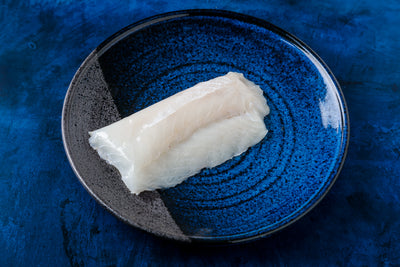
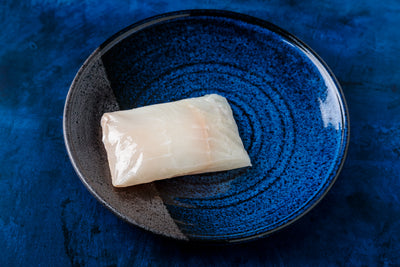
Running into a missing fish at the store doesn’t have to throw off your recipe. Whether your usual pick is out of stock, unavailable in your area, or just not the most sustainable choice, there’s almost always a good substitute — you just have to know what to look for.
That’s where this guide comes in. From delicate white fish to rich, meaty fillets, we’ve broken things down by flavor, texture, and cooking style to help you find the best match. You might even discover a new favorite in the process.
What to Consider When Substituting Fish?
Swapping one fish for another isn’t as simple as it seems. To make the right substitution, flavor and texture should always come first. Some fish are delicate and flaky, while others are dense and meaty—choosing the wrong one can throw off the entire dish.
Beyond that, it’s worth considering how the fish cooks, whether it’s readily available, and how sustainable the choice is. This guide breaks down the best fish substitutions by category, so you can adapt recipes with confidence and keep your meals tasting just right.
Fish Substitution Chart: What to Use and When
There’s more than one fish in the sea — literally! Whether your favorite fillet is out of stock or you’re looking for a more sustainable swap, don’t worry. Plenty of fish can step in and save your recipe. Use this simple chart to find the best substitutes based on flavor, texture, and how you’re cooking it.
Thin, Lean White Fish with a Delicate Flavor
These fish are best for recipes that call for something soft, mild, and quick-cooking. They absorb seasonings easily and work well with gentle techniques like sautéing, steaming, or baking.
- Flounder
- Sole
- Whiting
-
Tilapia
- Catfish
- Swai
- Plaice
- Hake
- Basa
Firm, Lean White Fish with a Mild to Moderate Flavor
These fish are ideal for recipes that need structure—whether you're baking, frying, or pan-searing. They hold their shape well and offer a clean, mild flavor that works with a variety of seasonings.
- Cod
- Haddock
- Halibut
- Pollock
- Grouper
- Snapper
- Striped bass
- Rockfish
- Walleye
- Atlantic Sea Bass
Firm, Meaty Fish with a Moderate to Strong Flavor
These hearty fish are built for the grill. With dense, steak-like textures and bold flavor profiles, they shine in dishes that need substance—think skewers, searing, or thick cuts topped with sauces.
- Swordfish
- Mahi-Mahi
- Tuna
- Monkfish
- Amberjack
- Shark
- Kingfish
- Marlin
- Wahoo (Ono)
Fatty or Oily Fish with a Rich Flavor
These fish are packed with flavor and omega-3s, making them ideal for bold dishes and high-heat techniques like grilling, broiling, or smoking. They tend to have a softer texture and work especially well with marinades or rich sauces.
Delicate Textured Fish for Raw or Light Preparations
When serving fish raw or lightly cured, texture and freshness are everything. These options are clean in flavor, tender in texture, and widely used in dishes like sushi, ceviche, poke, or crudo. Always make sure they’re labeled sushi-grade and handled according to safety guidelines.
- Tuna (sushi-grade)
- Salmon (sushi-grade)
- Hamachi (Yellowtail)
- Snapper (sushi-grade)
- Arctic Char
- Sea Bass (Chilean or European)
- Scallops (sushi-grade)
- Halibut (sushi-grade)
- Madai
Summary
With so many seafood options, knowing how to substitute fish the right way can save both your recipe and your shopping trip. By matching flavor, texture, and cooking method, you can swap confidently—without compromising taste. Keep this chart handy and make more sustainable, flexible choices every time you cook.