Skip to content Skip to footer
Voted Forbes Best Seafood Delivery Wild-Caught & Sushi Grade Subscribe & Save 8% on Every Delivery Free Shipping on All Orders Orders Ship Every Tuesday Voted Forbes Best Seafood Delivery Wild-Caught & Sushi Grade Subscribe & Save 8% on Every Delivery Free Shipping on All Orders Orders Ship Every Tuesday

Formerly known as

Alaskan Salmon Co.
Read our story →

Learn

Cooking Halibut Temperature Guide

temperature control dial showing numbers 25 and 20
Shop wild-caught seafood → Try it risk-free for 30 days

The key to a delicious halibut dish is achieving the optimal temperature. However, your methods may vary according to how you cook the fish and its thickness.

Learn the best methods for achieving perfect halibut temperatures in our guide below.

What is the Proper Temperature for Cooking Halibut?

The recommended cooking temperature for halibut by the USDA is 375°F (190°C) for approximately 10-15 minutes per inch of thickness. Internal temperature should reach 145°F (63°C) for safe consumption, ensuring the fish is cooked thoroughly while remaining tender and moist.

Halibut Temperature Guide by Doneness

Here's a general temperature guide for cooking halibut by doneness:

  • Rare: 110-120°F (43-49°C)
  • Medium-Rare: 120-130°F (49-54°C)
  • Medium: 130-140°F (54-60°C)
  • Medium-Well: 140-150°F (60-65°C)
  • Well-Done: 150°F and above (65°C+)

Adjust cooking times accordingly based on thickness and preference.

Kyle’s Tips to Avoid Overcooking Halibut

To avoid overcooking halibut and ensure it remains tender and flavorful, follow these tips:

  • Use a thermometer: Invest in a reliable meat thermometer to monitor the internal temperature of the halibut accurately. Cook until it reaches 145°F (63°C).
  • Make thinner cuts: Adjust cooking time based on the thickness of the halibut. Leaner cuts need less time to cook to prevent overcooking.
  • Bake at moderate temperatures: Use moderate oven temperatures (around 375°F or 190°C) and monitor the fish closely to prevent overcooking.
  • Avoid overcrowding: Arrange halibut pieces on the baking sheet with enough space between them to prevent uneven cooking.
  • Retain moisture: Use cooking methods that help retain moisture, such as baking in parchment paper/foil packets or using a shallow baking dish with a lid.
  • Marinate or brine: Marinating the halibut or using a brine can help keep it moist and add flavor. Be cautious with marinating time to avoid a mushy texture.
  • Check periodically: Keep an eye on the halibut as it cooks, and use a fork to separate the layers to check for doneness gently. The fish should easily flake when done.

Frequently Asked Questions

How can I tell if halibut is cooked through without a thermometer?

You can tell if halibut is cooked through by checking its color and texture. When fully cooked, the fish should be opaque and easily flake with a fork.

Should I adjust the cooking temperature or time for frozen halibut compared to fresh?

You must adjust the cooking time when cooking frozen halibut. Add 1-2 minutes of cooking time to each side when pan-searing.

However, it isn’t generally recommended to cook frozen halibut, as moisture can affect the doneness and quality of the fish. It’s better to thaw the fish thoroughly before cooking.

Learn how to thaw fish in our guide.

Can I pan-sear halibut, and if so, at what temperature?

You can pan-sear halibut at an optimal temperature of 375 to 425 degrees F. When pan-searing, cook each side for 3-4 minutes each for every 1 inch of thickness.

Related: Atlantic Halibut vs. Pacific Halibut: Everything You Need to Know

Summary

Achieving the perfect halibut temperature involves knowing how to use a fish thermometer, slicing the fish to an ideal thickness, and understanding the nuances between different cooking techniques.

If you’re cooking another type of fish, visit our fish cooking temperature guide for must-know tips.

Kyle Lee is a captain at Outerseas and one of its founding members. After experiencing the unmatched quality of wild Alaskan seafood firsthand, he set out to bring that same freshness directly to consumers, cutting out the middlemen and connecting people to fish caught by real fishermen from Alaska’s best ports.
Older Post Older Post
Newer Post Newer Post

Featured in this article

Wild Alaskan Halibut Fillets (6oz)
$219.00
Try it risk-free for 30 days
Hundreds of verified 5-star reviews
Shop Now
Wild Alaskan Halibut Fillets (6oz) Wild Alaskan Halibut Fillets (6oz) $219.00 Shop Now
This is what seafood is supposed to be.
  • Wild-Caught From Alaska
  • Sushi-Grade Safe to eat raw
  • Flash-Frozen On the boat
  • Overnight Shipped to your door

It’s the same fish we sell to Michelin-starred restaurants.

What our customers are saying

“Hands down the best halibut I’ve ever had short of eating it in Alaska. There’s never any fish smell to Outerseas fish — always fresh, firm and delicious.”

Verified Buyer · Halibut

“Outstanding filets. Perfectly sized. The sockeye was delicious.”

Verified Buyer · Sockeye Salmon

“Salmon was fresh, tender and moist when we baked it. Flaky and flavorful!”

Verified Buyer · Wild Salmon

“Loved the flavor and so simple to prepare! Tried the pan-searing method recommended by Kyle — every bite absolutely delicious.”

Verified Buyer · Halibut

Common Questions About Our Seafood
Is your seafood really wild-caught and sustainably sourced?
Yes! Our seafood is 100% wild-caught from pristine Alaskan waters using sustainable, low-impact fishing methods. We adhere to ethical, eco-friendly fishing practices — all of our seafood is wild-caught, never farmed.
How is the seafood shipped?
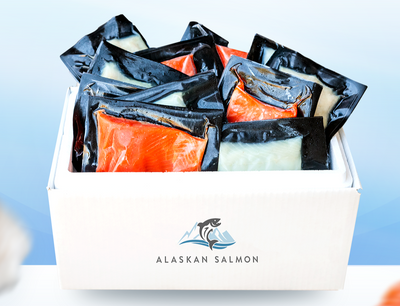
Each order is flash-frozen at peak freshness, vacuum-sealed, and shipped with dry ice to ensure it arrives in perfect condition.
How long does delivery take?
Orders ship every Tuesday with 2-day shipping. Tracking is provided upon shipment.
How should I store my seafood?
Keep it frozen until you're ready to use it. Once thawed, we recommend consuming it within 1-2 days for the best quality.
Can I eat the seafood raw?
Absolutely! Our sushi-grade seafood is safe to enjoy raw, making it perfect for sashimi, sushi, and poke bowls.
How does the subscription work?
Subscribe and save 8% on every delivery. You pick your frequency — every 1, 2, or 3 months — and you have full control: skip, pause, add, swap, or gift your next order. You can also choose a new shipping date, change your address, and more. Cancel anytime.
Back to top