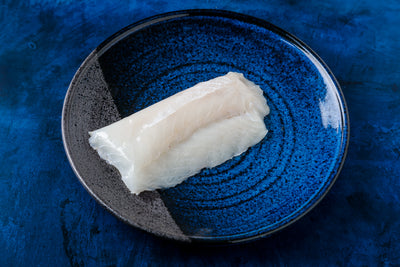
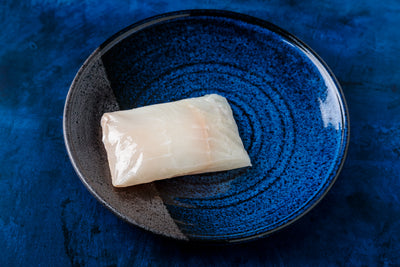
Filleting a fish may seem daunting, especially if you’re a novice in the kitchen. However, with the right tools and some practice, you can master this essential cooking skill in no time.
Learn how to fillet a fish perfectly in our quick and simple guide.
Essential Tools for Fish Filleting
Having the right tools is essential for achieving clean and precise cuts is essential for filleting a fish. Below are the essential tools you'll need:
- Fillet knife: A fillet knife is a long, thin, and flexible blade specifically designed for filleting fish. Its sharp edge allows for precise cuts along the bones and through the flesh, making the filleting process smoother.
- Cutting board: Choose a cutting board with a non-slip surface for stability while filleting. Opt for a board that's easy to clean and large enough to comfortably accommodate the size of the fish you're working with.
- Tweezers or Pliers: These tools are crucial for removing any remaining pin bones from the fillets. Tweezers with pointed tips or flat-nose pliers can grip and pull out bones effectively.
- Kitchen towels: Keep kitchen towels handy to wipe your hands and the fish and maintain a clean workspace. Towels are also useful for gripping the fish and preventing it from slipping during filleting.
How to Fillet a Fish Like a Pro
Filleting a fish is a delicate process that requires some practice, but with the right technique, you can obtain boneless, skin-on or skinless fillets that are perfect for cooking. Here's a general step-by-step guide on how to fillet a fish:
- Remove the scales: If the fish has scales, use a fish scaler to remove them. Start from the tail and move towards the head. Alternatively, you can use the back of a knife.
- Gut the fish: Make a small incision along the belly of the fish, from the anus to the base of the gills. Gently remove the entrails and organs, being careful not to puncture the intestines.
- Remove the head: If you prefer, you can remove the head by cutting through the flesh just behind the pectoral fin and then making a clean cut through the backbone.
- Remove the fins: Use your fillet knife to carefully cut around the pectoral, pelvic, and anal fins.
- Make the first cut: Place the fish on the cutting board. With the fish's belly facing up, make a shallow cut behind the gills, angling the knife slightly toward the head.
- Remove the fillet: Hold the head-end of the fish firmly. Insert the fillet knife into the initial cut and gently glide it along the spine, following the natural curve of the fish. Use smooth, controlled motions to separate the fillet from the bones. Repeat on the other side.
- Trim the fillet: Lay the fillet's skin side down. Trim any excess fat or uneven edges using the fillet knife. This will result in cleaner and more uniform fillets.
- Check for bones: Run your fingers along the fillets to check for any remaining pin bones. If you find any, use tweezers or pliers to carefully remove them.
- Skin removal: If you prefer skinless fillets, gently slide the fillet knife between the flesh and the skin. Hold the skin taut with one hand and angle the knife slightly downward. Work slowly to keep the flesh intact.
And that's it! Don’t forget to wash your fillet and pat it dry to ensure there are no scales on the fish. With practice, you'll refine your technique and become more proficient at filleting fish.
Frequently Asked Questions
Can I use a regular kitchen knife for filleting a fish?
You can use a regular kitchen knife to fillet a fish, but using a fillet knife can simplify the process.
Is filleting a fish difficult for beginners?
Filleting can be challenging for beginners, but with practice and proper technique, it becomes easier over time.
Do I need to scale the fish before filleting?
Scaling the fish is optional, but it can improve the appearance of the fillet and prevent unwanted textures.
Is it better to fillet a fish before or after cooking?
It's often better to fillet a fish before cooking, as it's easier to work with when raw. However, some people prefer cooking the fish whole and then filleting it afterward.
What's the difference between round fish and flatfish filleting?
Round fish filleting involves removing fillets from both sides of the fish. Filleting flatfish, like flounder or halibut, requires a different technique since both fillets are on one side.
Summary
Learning how to fillet a fish is an essential kitchen skill that makes mastering seafood cooking techniques even simpler. With the right tools, practice, and patience, mastering this step-by-step guide will quickly become second nature.