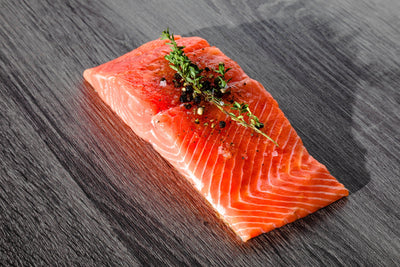
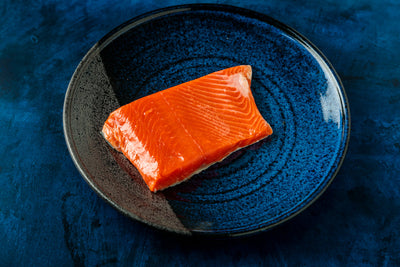
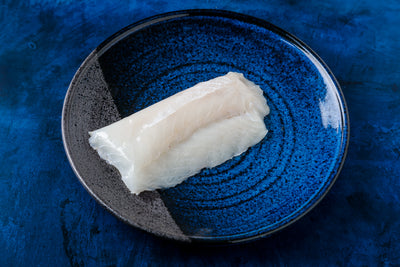
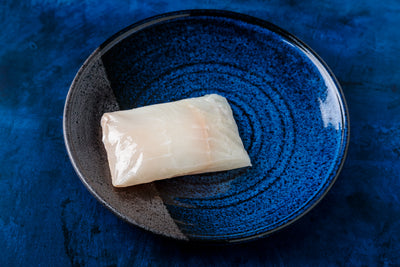
Raw and undercooked salmon - sashimi is one of my favorite ways of seating salmon. Also a must have when eating out at a sushi restaurant. However when preparing and eating undercooked salmon at home, it’s easy to wonder if it’s safe to eat the salmon. The CDC states that if you eat salmon that's raw or undercooked, you’re putting yourself at rick for foodborne illnesses. Through this article we’ll be adressing all of these issues as well as showing you what undercooked salmon looks like.
Is it Safe to Eat Undercooked Salmon?
No, it is not safe to eat undercooked salmon. Eating raw or undercooked salmon can put you at risk of contracting foodborne illnesses, such as salmonellosis, norovirus, and Vibrio infections.
Salmonella is a type of bacteria that can be found in raw or undercooked salmon, and it can cause symptoms such as diarrhea, fever, and abdominal cramps. Norovirus is another type of virus that can be found in raw or undercooked seafood, including salmon, and it can cause symptoms such as nausea, vomiting, and diarrhea.
Vibrio bacteria can also be present in raw or undercooked salmon, and it can cause infections such as Vibrio parahaemolyticus and Vibrio vulnificus. These infections can cause symptoms such as fever, vomiting, and diarrhea, and in severe cases, they can lead to blood infections and other complications.
To ensure that salmon is safe to eat, it should be cooked to an internal temperature of 145°F (63°C) and the flesh should be opaque and easily flaked with a fork. It is also important to properly store and handle salmon to prevent the growth of harmful bacteria.
What Happens if You Eat Undercooked Salmon?
Eating undercooked salmon can put you at risk of contracting foodborne illnesses, which can cause a range of symptoms, including:
- Nausea and vomiting: Eating undercooked salmon can cause nausea and vomiting, which can be severe in some cases.
- Diarrhea: Salmonella bacteria and other pathogens that can be found in undercooked salmon can cause diarrhea, which can be watery or bloody.
- Abdominal cramps: Salmonella and other bacteria that can be present in undercooked salmon can cause abdominal cramps, which can be severe and persistent.
- Fever: Some foodborne illnesses that can be caused by eating undercooked salmon can lead to a fever, which may be mild or high.
- Dehydration: Diarrhea and vomiting caused by foodborne illnesses can lead to dehydration, which can be dangerous, especially in young children, the elderly, and people with weakened immune systems.
In severe cases, foodborne illnesses caused by eating undercooked salmon can lead to complications, such as sepsis, which can be life-threatening. It is important to seek medical attention if you experience any symptoms of a foodborne illness after eating undercooked salmon.
How Do You Know If a Salmon is Undercooked?
To determine if a salmon is undercooked, you can check its internal temperature using a food thermometer. The internal temperature is the temperature at the thickest part of the salmon, which is the part that takes the longest to cook.
The recommended internal temperature for cooked salmon is at least 145°F (63°C). When the salmon reaches this temperature, the flesh should be opaque and easily flaked with a fork.
If the internal temperature of the salmon is lower than 145°F (63°C), it is considered undercooked, and it may not be safe to eat. Undercooked salmon may have a translucent or slightly raw appearance, and the flesh may be difficult to flake with a fork.
It is important to cook salmon thoroughly to ensure that it is safe to eat and to avoid the risk of foodborne illnesses. If you are unsure whether your salmon is cooked properly, use a food thermometer to check the internal temperature, or consult a food safety guide for cooking instructions.
Conclusion
In conclusion, while undercooked salmon may be tempting, it's important to take the necessary precautions to avoid any health risks. By properly cooking salmon to an internal temperature of 145°F (63°C), you can ensure that it's safe to eat and reduce the risk of contracting foodborne illnesses. Remember to handle and store salmon properly to prevent the growth of harmful bacteria. By following these guidelines, you can enjoy salmon and other seafood dishes safely and deliciously. If you have any other seafood-related questions please drop us a line at info@aksalmonco.com and we are happy to address them!