Gout is a type of arthritis caused by the buildup of uric acid, leading to the formation of crystals in the joints. This buildup results in pain, swelling, and redness in the affected areas [*, opens in a new tab].
Foods high in purines, such as red meat, organ meats, and certain seafood, can raise uric acid levels and increase the risk of gout flare-ups. If you're a salmon lover and have gout concerns, it's important to know whether this seafood could contribute to flare-ups.
Is Salmon Bad for Gout?
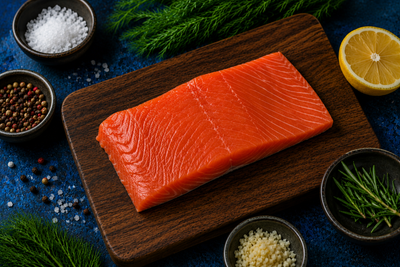
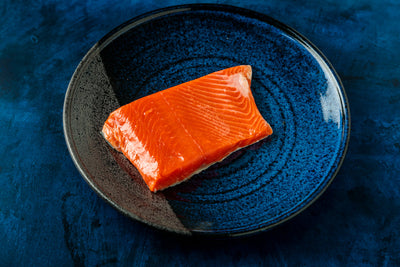
Salmon is generally considered a safe and beneficial food choice for individuals with gout. It has a moderate purine content, with approximately 119 mg of purine per 100 grams, which is lower than many other types of fish [*Opens in a new window]. This makes it a suitable option compared to high-purine foods that should be avoided by those managing gout.
Moreover, salmon is rich in omega-3 fatty acids, known for their anti-inflammatory properties. These fatty acids may help alleviate symptoms associated with gout attacks by reducing inflammation in the body [*].
How Much Salmon Can I Eat If I Have Gout?
If you have gout, it's important to enjoy salmon in moderation while considering your overall diet. Typically, a serving size of salmon should be around 3 to 4 ounces, which is equivalent to a small fillet.
Consuming this portion 2 to 3 times a week is generally considered acceptable for most people with gout. However, individual tolerances can vary, so it’s wise to pay attention to how your body responds after eating salmon.
Related: How Much Salmon is Too Much? Recommended Salmon Intake By Experts
Other Fish That’s Okay for Gout
Here are several fish options that are generally considered suitable for individuals managing gout, along with their purine content per 100 grams:
- Flounder - 70 mg
- Sole - 70 mg
- Tilapia - 60 mg
- Bass - 120 mg
- Cod - 71 mg
- Pollock - 90 mg
- Catfish - 80 mg
- Haddock - 70 mg
Worst Fish for Gout
If you suffer from gout, it's important to be cautious about the types of fish you consume, as some varieties are high in purines, which can elevate uric acid levels and trigger flare-ups.
Below, we include the purine content per 100 grams for various fish to help you make informed choices:
- Sardines - 210.4 mg
- Herring - 139.6 mg
- Mackerel - 122.1 mg
- Anchovies (very high purine) - 1108.6 mg
- Tuna - 157.4 mg
- Trout - 180.9 mg
- Bluefish - 149.3
- Snapper - 128.9 mg
- Swordfish - 133.4 mg
- Halibut - 133.4 mg
Salmon Cooking Tips for Someone with Gout
Here are some cooking tips to prepare salmon in a way that supports your health and helps manage gout:
- Choose wild-caught salmon for its leaner fat profile and higher omega-3s. Wild-caught salmon typically have a better omega-3 to omega-6 fatty acid ratio compared to farmed salmon.
- Bake or grill salmon to retain health benefits and reduce added fats. These methods are healthier than frying.
- Avoid deep frying to prevent extra calories and fat intake. Deep frying adds unhealthy fats and calories, which can exacerbate weight gain and inflammation, both of which are concerns for individuals with gout.
- Steam salmon for a light, gout-friendly cooking method. This preserves the nutrients in salmon. Keeping meals simple and avoiding high-purine ingredients (like certain meats and seafood) helps manage uric acid levels.
Summary
Enjoying salmon in moderation — typically around 3 to 4 ounces two to three times a week — can fit well into a gout-friendly diet. Additionally, opting for cooking methods like baking, grilling, or steaming can enhance its health benefits while keeping meals low in unhealthy fats.