Seafood is considered a healthy source of protein and nutrients, which is why many consumers and restaurant owners prioritize serving high-quality fish. However, mercury levels in certain types of fish are an important safety consideration.
Mercury can accumulate in fish through the environment and the food chain, especially when larger fish consume smaller organisms containing mercury. Because of this, the FDA provides guidelines to help people make informed seafood choices.
In this article, I’ll break down which fish are considered the best choices, good alternatives, and which ones to limit or avoid based on FDA recommendations.
Mercury in Fish Explained
Eating fish comes with many nutritional benefits, but mercury is one factor that can influence how safe certain choices are.
Mercury is a naturally occurring element found in the environment. It exists in the earth’s crust and can be released into the air, soil, and water through natural processes like volcanic eruptions and the breakdown of rocks. Because of this, small amounts of mercury are naturally present in oceans, rivers, and lakes.
However, human activity has increased mercury levels in the environment over time. Pollution from sources like coal-burning power plants, mining, and industrial waste can release mercury into the air and waterways.
Once it enters the water, mercury can be transformed into a more harmful form called methylmercury. Tiny organisms absorb it first, then small fish eat those organisms, and larger fish eat the smaller fish. As this cycle continues, mercury builds up in the bodies of larger predatory fish over time.
The reason mercury is a concern is because high exposure can affect human health. Mercury can impact the nervous system and may interfere with brain development and function.
This is especially important for pregnant women, babies, and young children, whose brains and nervous systems are still developing. High mercury exposure may also affect reproductive health and other parts of the body.
Best Choices (Fish Low in Mercury Levels)
The FDA recommends to eat about 2–3 servings each week (using the palm of your hand as a simple guide) of these fish options because they have low mercury concentrations that fall within safe limits.
- Anchovy - 0.016 ppm
- Atlantic croaker - 0.069 ppm
- Atlantic mackerel - 0.05 ppm
- Black sea bass - 0.167 ppm
- Catfish - 0.024 ppm
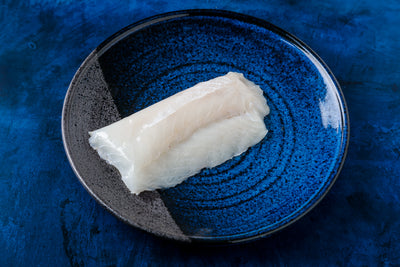
- Cod - 0.111 ppm
- Crawfish - 0.033 ppm
- Flounder - 0.056 ppm
- Haddock - 0.055 ppm
- Hake - 0.123 ppm
- Herring - 0.084 ppm
- Mullet - 0.088 ppm
- Pacific chub mackerel - 0.088 ppm
- Perch (freshwater and ocean) - 0.150 ppm
- Pickerel - 0.095 ppm
- Plaice - 0.050 ppm
- Pollock - 0.031 ppm
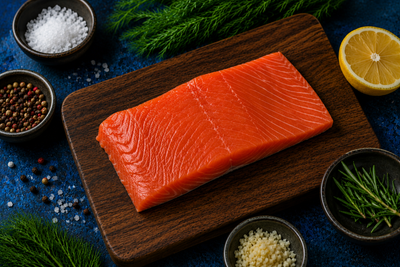
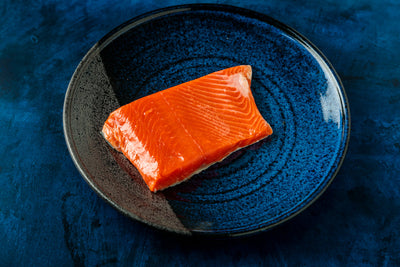
- Salmon - 0.022 ppm
- Sardine - 0.013 ppm
- Shad - 0.038 ppm
- Sole - 0.050 ppm
- Tilapia - 0.013 ppm
- Trout (freshwater) - 0.071 ppm
- Tuna (canned light, includes skipjack) - 0.126 ppm
- Whitefish - 0.089 ppm
- Whiting - 0.051ppm
Good choices (Fish with Moderate Mercury Levels)
These fish are still considered good options because they provide valuable nutrients and can be safely included in a balanced diet when eaten in moderation.
However, they contain slightly higher mercury levels so the FDA recommends to limit intake to about 1 serving per week (roughly the size of your palm).
If you are pregnant, breastfeeding, or feeding young children, it’s especially important to be more cautious.
- Bluefish - 0.368 ppm
- Buffalofish - 0.137 ppm
- Carp - 0.110 ppm
- Chilean sea bass - 0.354 ppm
- Grouper - 0.448 ppm
- Halibut - 0.241 ppm
- Mahi mahi - 0.178 ppm
- Monkfish - 0.161 ppm
- Sablefish - 0.361 ppm
- Snapper - 0.166 ppm
- Spanish mackerel - 0.182 ppm
- Tilefish (Atlantic) - 0.144 ppm
- Tuna (Canned, Albacore) - 0.350 ppm
- Tuna (Yellowfin) - 0.354 ppm
- Weakfish - 0.235 ppm
- White croaker - 0.287 ppm
Choices to Avoid (Fish High in Mercury Levels)
The FDA recommends skipping or strictly limiting these fish because they tend to have the highest mercury levels, which can build up in the body over time. Even if they are caught in different regions or prepared in various ways, it’s better to be safe and choose lower-mercury alternatives whenever possible.
- King mackerel - 0.73 ppm
- Marlin - 0.485 ppm
- Orange roughy - 0.571 ppm
- Shark - 0.979 ppm
- Swordfish - 0.979 ppm
- Tilefish (Gulf of Mexico) - 1.123 ppm
- Tuna (Bigeye) - 0.689 ppm

Image from FDA, opens in a new tab
Mercury Levels in Fish Chart
To make it easier to compare mercury levels at a glance, the chart below organizes commonly eaten fish into three categories based on their average mercury concentration (ppm).
| Fish | Mercury Level | Mercury Content |
| Anchovy |
Low | 0.016 ppm |
| Atlantic croaker | Low | 0.069 ppm |
| Atlantic mackerel | Low | 0.05 ppm |
| Black sea bass | Low | 0.167 ppm |
| Catfish | Low | 0.024 ppm |
| Cod |
Low | 0.111 ppm |
| Crawfish |
Low | 0.033 ppm |
| Flounder | Low | 0.056 ppm |
| Haddock |
Low | 0.055 ppm |
| Hake | Low | 0.123 ppm |
| Herring |
Low | 0.084 ppm |
| Mullet |
Low | 0.088 ppm |
| Pacific chub mackerel |
Low | 0.088 ppm |
| Perch (freshwater and ocean) |
Low | 0.150 ppm |
| Pickerel |
Low | 0.095 ppm |
| Plaice |
Low | 0.050 ppm |
| Pollock |
Low | 0.031 ppm |
| Salmon |
Low | 0.022 ppm |
| Sardine |
Low | 0.013 ppm |
| Shad |
Low | 0.038 ppm |
| Sole |
Low | 0.050 ppm |
| Tilapia |
Low | 0.013 ppm |
| Trout (freshwater) |
Low | 0.071 ppm |
| Tuna (canned light, includes skipjack) |
Low | 0.126 ppm |
| Whitefish |
Low | 0.089 ppm |
| Whiting | Low | 0.051ppm |
| Bluefish | Moderate | 0.368 ppm |
| Buffalofish | Moderate | 0.137 ppm |
| Carp |
Moderate | 0.110 ppm |
| Chilean sea bass |
Moderate | 0.354 ppm |
| Grouper |
Moderate | 0.448 ppm |
| Halibut |
Moderate | 0.241 ppm |
| Mahi mahi |
Moderate | 0.178 ppm |
| Monkfish |
Moderate | 0.161 ppm |
| Sablefish |
Moderate | 0.361 ppm |
| Snapper |
Moderate | 0.166 ppm |
| Spanish mackerel |
Moderate | 0.182 ppm |
| Tilefish (Atlantic) |
Moderate | 0.144 ppm |
| Tuna (Canned, Albacore) |
Moderate | 0.350 ppm |
| Tuna (Yellowfin) |
Moderate | 0.354 ppm |
| Weakfish |
Moderate | 0.235 ppm |
| White croaker |
Moderate | 0.287 ppm |
| King mackerel |
High | 0.73 ppm |
| Marlin | High | 0.485 ppm |
| Orange roughy |
High | 0.571 ppm |
| Shark |
High | 0.979 ppm |
| Swordfish |
High | 0.979 ppm |
| Tilefish (Gulf of Mexico) |
High | 1.123 ppm |
| Tuna (Bigeye) |
High | 0.689 ppm |
FDA’s Advice About Eating Fish
The FDA encourages people to include fish as a regular part of a healthy diet, especially because of its strong nutritional benefits.
Fish provides important nutrients like protein, vitamin D, and omega-3 fatty acids, which support heart health, brain development, and growth. These benefits are especially important during pregnancy, breastfeeding, and early childhood.
Take note that serving sizes vary depending on age and appetite, especially for children.
For adults, a helpful visual guide is a portion about the size of the palm of your hand. For children, however, servings are much smaller and gradually increase as they grow:
- Ages 1 to 3: about 1 ounce per serving
- Ages 4 to 7: about 2 ounces per serving
- Ages 8 to 10: about 3 ounces per serving
- Age 11: about 4 ounces per serving
These age-appropriate portions help ensure children get the benefits of fish, like brain-supporting omega-3s and quality protein, while still keeping their intake safe.
Summary
From what you’ve learned from the FDA, it’s clear that while fish is an incredibly nutritious food, not all types are equal when it comes to safety. Some fish are better choices because they are lower in mercury, while others should be limited or avoided to reduce risk, particularly for pregnant women, breastfeeding individuals, and young children.
Let this guide help you make more confident choices the next time you’re selecting seafood. When you’re unsure, feel free to come back to this resource to compare options and stay informed.