Protein is an important nutrient that helps your body build muscles, repair tissues, and stay healthy. It also helps keep you full after a meal. Whether you're an athlete or are simply eating a balanced diet, getting enough protein is an important part of good nutrition.
Two of the most popular protein-rich foods are salmon and chicken. Both are nutritious, easy to cook, and found in many meal plans. However, they are not exactly the same. Salmon contains healthy fats that chicken does not, while chicken is usually lower in calories and fat.
So, which one is the better protein source? The answer depends on your health goals and what nutrients your body needs.
Protein in Salmon vs Chicken
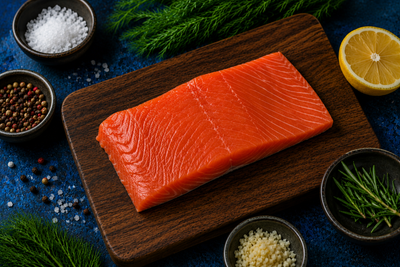
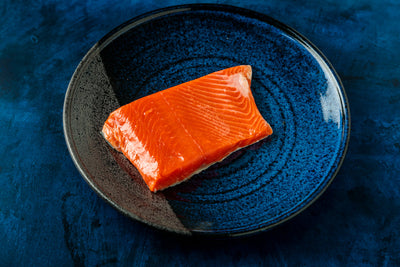
Salmon and chicken are both excellent sources of complete protein. This means they contain all nine essential amino acids your body needs to build muscle, repair tissues, and support healthy growth.
Chicken breast contains a little more protein than salmon. A 100-gram serving of cooked chicken breast has about 23–31 grams of protein depending on the cut [*]. Meanwhile, the same amount of cooked salmon provides around 22 to 25 grams.
Chicken is also higher in protein per calorie because it's naturally lower in fat. This can be helpful for people who want to increase their protein intake without eating as many calories. Salmon has fewer grams of protein per calorie, but that's because some of its calories come from healthy fats instead.
Although chicken wins when it comes to protein alone, salmon has an important benefit that chicken doesn't. It's rich in omega-3 fatty acids, healthy fats that support many body functions.
That's why choosing between salmon and chicken isn't just about protein.
Beyond Protein
Protein is important, but it's not the only nutrient your body needs. When you look at the bigger picture, salmon provides several nutrients that chicken has in much smaller amounts.
Salmon is best known for its omega-3 fatty acids, while chicken contains very little. These healthy fats help keep your heart healthy, support brain function, and help reduce inflammation throughout the body.
A 100-gram serving of salmon provides about 2 to 2.3 grams of omega-3s, compared with only about 0.05 to 0.1 grams in chicken breast.
Salmon is also an excellent source of vitamin D [*, opens in a new tab]. A 100-gram serving provides about 13 micrograms (mcg), or around 65% of the Daily Value. Vitamin D helps your body absorb calcium to build strong bones and teeth. It also supports your immune system.
Since very few foods naturally contain vitamin D, salmon is a valuable addition to many diets.
You'll also get plenty of vitamin B12 from salmon. A 100-gram serving contains about 3 micrograms of vitamin B12, which is more than the Daily Value for most adults. This vitamin helps your body produce red blood cells, supports healthy nerves, and helps convert food into energy.
On top of that, salmon contains selenium and potassium, which help your cells, muscles, and heart work properly.
Chicken remains a healthy, lean source of protein, but if you're looking for foods that provide more nutrients in every bite, salmon has the advantage.
Salmon or Chicken for Protein?
Both salmon and chicken are nutritious, so there's no single “best” choice. Instead, the right option depends on what you're trying to achieve.
If you're trying to lose weight or build muscle, chicken may be a better fit. It packs more protein into each serving while staying lower in calories and fat.
But if you're looking for a food that offers more than just protein, salmon is hard to beat. Along with high-quality protein, it provides more omega-3 fatty acids, vitamin D, vitamin B12, and selenium.
You don't have to choose one food over the other, though. Many healthy eating plans include both salmon and chicken because each has its own benefits.
In the end, the best protein source is the one that helps you meet your nutrition goals. It should also be a food you enjoy and can easily include in your lifestyle!