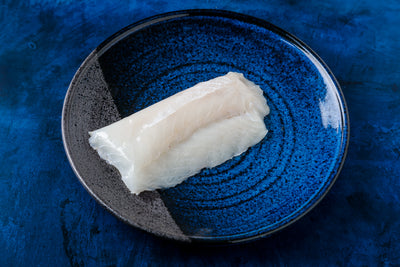
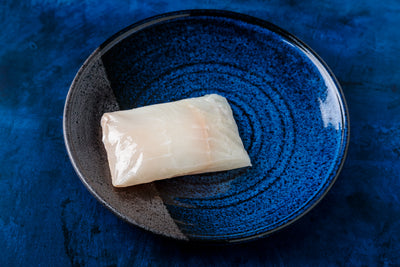
Seafood is any animal we can eat that comes from the ocean, rivers, or lakes. This includes fish, shellfish, and many other water-dwelling creatures.
In this guide, you’ll learn the main groups of seafood — starting with fish, then how saltwater and freshwater species differ. You’ll also discover the types of shellfish, including crustaceans, mollusks, and cephalopods, as well as roe and even sea urchins.
Fish
Fish are vertebrate animals found in nearly all fresh and salt waters, with about 34,000 known species ranging from ancient jawless fishes to sharks, rays, and diverse bony fishes. Most are cold-blooded, though a few, like the opah, are warm-blooded.
They have lived for more than 450 million years and adapted to almost every aquatic habitat, from deep oceans to mountain streams.
Saltwater Fish
Around the world, saltwater fish contribute a large share of the seafood people enjoy. With many communities relying on them for healthy meals, the demand for fish from the ocean keeps increasing.
Some of the most popular saltwater fish include:
- Anchovy
- Barracuda
- Cod
- Flounder
- Grouper
- Haddock
- Halibut
- Herring
- Mackerel
- Mahi‑mahi
- Marlin
- Pollock
- Pompano
- Red Snapper
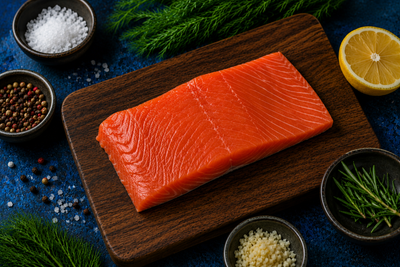
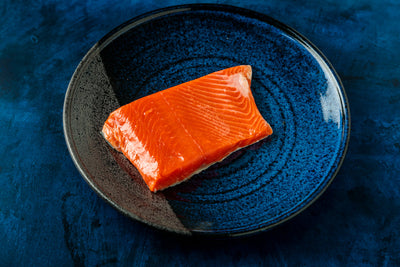
- Salmon (Note: salmon migrate between saltwater and freshwater during their life cycle.)
- Sardine
- Sea Bass
- Swordfish
- Tuna
- Yellowtail
Freshwater Fish
Freshwater fish live in rivers, lakes, streams, and ponds, and they have adapted to a wide range of conditions, from cold mountain streams to warm tropical lakes. Many of these species are important for local diets and recreational fishing.
Some common freshwater fish include:
- Bass
- Bluegill
- Carp
- Catfish
- Crappie
- Perch
- Pike
- Rainbow Trout
- Sunfish
- Tilapia
- Walleye
Related: 7 Most Expensive Fish to Eat, But are Worth the Price Tag
Shellfish
Shellfish are aquatic animals with shells that protect their soft bodies. They include both crustaceans, like crabs and lobsters, and mollusks, like clams and oysters, and are a tasty, protein-rich part of many diets around the world.
Crustaceans
Crustaceans, whose name comes from the Latin word crustacea, meaning “those with shells” or “crusted ones,” are a type of shellfish with hard exoskeletons and jointed legs. Found in both oceans and freshwater, they include some 45,000 species distributed worldwide and are popular in cuisines everywhere.
Common crustaceans include:
- Crab
- Lobster
- Shrimp
- Prawn
- Crawfish
Mollusks
Mollusks are soft-bodied animals, many of which produce a hard calcium carbonate shell from a mantle that covers their body. This group ranks among the most diverse in the animal kingdom.
Examples of mollusks (excluding cephalopods) include:
- Abalone
- Clams
- Cockles
- Geoduck
- Mussels
- Oysters
- Periwinkle
- Scallops
Cephalopods
Cephalopods are a special group of mollusks known for their intelligence, tentacles, and ability to change color. They are highly mobile and often have complex behaviors not seen in other mollusks.
Examples of cephalopods include:
- Octopus
- Squid
- Cuttlefish
- Nautilus
Roe
Roe is the fully developed eggs of fish and other marine animals, usually held in a sac. Considered a delicacy worldwide, it’s valued for its unique texture, flavor, and high nutritional content.
Common types of roe include:
- Caviar (sturgeon eggs)
- Flying fish roe
- Salmon roe
- Lumpfish roe
- Tobiko (flying fish eggs used in sushi)
Echinoderms
Echinoderms are marine animals known for their spiny skin and water vascular system. While only some, like sea urchins, are eaten as delicacies, they have a long history — Greeks and Romans used echinoids for food and medicine, and during the Middle Ages, fossil echinoids and crinoid parts were objects of superstition.
Examples of edible echinoderms include:
- Sea urchin (uni)
- Sea cucumber
Summary
The world of seafood is vast. As you’ve learned, it includes fish from both saltwater and freshwater, shellfish, cephalopods, roe, and even echinoderms. They bring distinct flavors, textures, and nutritional benefits to your meals.
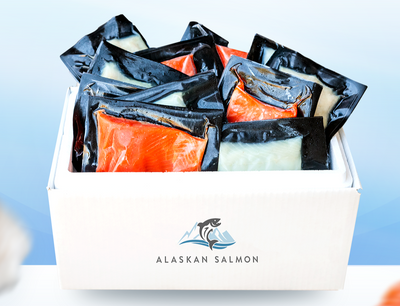
If you’re interested in trying high-quality seafood at home, our Premium Fish Variety Gift Box – Assorted Filets features wild-caught salmon, black cod, and Alaskan cod. These filets are perfect for grilling, baking, or pan-searing, bringing the taste of the sea straight to your table.
FAQs
What is the healthiest type of seafood?
Fatty fish, such as salmon, mackerel, sardines, and trout, are considered among the healthiest types of seafood.
They are rich in omega-3 fatty acids, high-quality protein, vitamins, and minerals, which support heart, brain, and overall health. Choosing wild-caught or sustainably sourced options can provide added nutritional benefits.
Which types of seafood are low in mercury?
Smaller and shorter-lived fish generally contain lower levels of mercury. Examples include salmon, sardines, trout, anchovies, and herring.
In contrast, larger predatory fish, such as sharks, swordfish, king mackerel, and tilefish, tend to have higher mercury levels and should be consumed less frequently, especially by children and pregnant individuals.