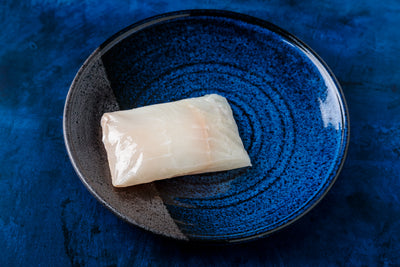
Halibut is one of those fish you’ve probably seen at the seafood counter and thought, “That looks good.” But then you notice there are two kinds: Atlantic and Pacific. So what’s the difference?
Both Atlantic halibut and Pacific halibut are large flatfish with firm white meat. They look similar at first glance, but they’re not the same. They live in different oceans, grow to different sizes, and even vary in flavor and sustainability.
In this article, we’ll discuss where each type lives, how big they get, what they taste like, how they compare nutritionally, and more.
Atlantic Halibut
Atlantic halibut (Hippoglossus hippoglossus) is the largest flatfish in the world. These powerful fish can grow to impressive sizes, which has made them a long-standing favorite in commercial fisheries.
Their population is still rebuilding due to past overfishing, but careful management in U.S. waters is helping the stock recover steadily. Fun fact: Atlantic halibut can live more than 50 years, which makes them one of the ocean’s longest-living flatfish.
Pacific Halibut
Pacific halibut (Hippoglossus stenolepis) is the largest flatfish in the North Pacific Ocean and a prized catch for commercial, recreational, and subsistence fishermen.
Some of the biggest, nicknamed “barn doors,” can grow over 8 feet long and more than 5 feet wide. Populations are healthy and well-managed, with fishing methods that minimize habitat impact and bycatch.
These giants are not only big — they’re also long-lived and highly sought after for their firm, mild-flavored meat.
Atlantic Halibut vs. Pacific Halibut
A closer look at these fish reveals unique differences, from their habitats to how people catch, cook, and enjoy them. Learn more below.
Geography
Atlantic halibut lives in the northern Atlantic Ocean, from the colder waters off Greenland and Iceland down toward the Gulf of Maine and mid‑Atlantic U.S. waters. They spend much of their life near the bottom in deep coastal and offshore areas.
Pacific halibut is found along the opposite side of the world’s northern oceans — in the North Pacific. Their range stretches from California up through Alaska and across to Canada. Juveniles start in shallower waters and move deeper as they grow older.
So while both are “big flatfish of the north,” one calls the Atlantic home and the other makes its life in the Pacific.
Size & Appearance
Both halibut species are impressive in size, but there are a few differences.
Atlantic halibut is known as the largest flatfish in the world. They can grow extremely large. NOAA notes individuals reaching enormous sizes in the past, though only smaller adults are common today. They have a typical flatfish shape with both eyes on the right side of the body and a wide, firm body built for life on the sea floor.
Pacific halibut is just as striking, with adults often tipped out at up to 8 feet long and weighing hundreds of pounds. Their bodies are slightly more diamond‑shaped, and both species blend in with sandy or muddy bottoms with mottled colouring on top and white underneath.
Flavor & Texture
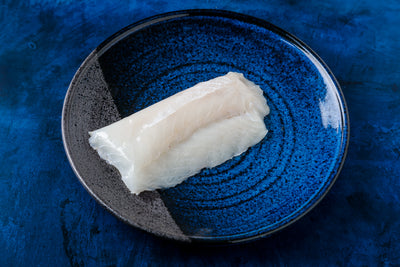
When it comes to eating, both Atlantic and Pacific halibut are known for very mild, slightly sweet white meat. The meat stays firm and flaky when cooked, which makes both fish versatile for grilling, roasting, or pan‑searing.
Many people say there isn’t a huge difference in taste between the two. Both are prized because the flavor isn’t “fishy,” it’s clean and pairs well with simple seasonings.
Nutrition
Both kinds of halibut offer similar nutritional benefits. They are low in saturated fat and sodium while being excellent sources of high‑quality protein, niacin, phosphorus, and selenium. A 100‑gram serving of raw halibut provides about 110 calories and over 20 grams of protein.
That makes either fish a healthy choice if you’re looking for seafood that supports muscle repair and overall nutrition without a lot of extra calories.
Sustainability
Here’s where the story diverges a bit.
Atlantic halibut populations are still below target levels in the Atlantic, and the stock is officially considered overfished. That means there are fewer fish in the water than scientists would like. But in U.S. waters, management plans are in place to help those numbers recover, with strict catch limits and protections that aim to reduce further decline.
Pacific halibut is in a healthier spot. NOAA’s most recent assessments say this stock is not overfished and is fished at recommended levels. The gears used to catch Pacific halibut tend to have minimal effects on habitat, and regulations are designed to limit the bycatch of other species.
Because of this, many scientists and fisheries managers consider Pacific halibut to be a relatively sustainable choice when seafood is sourced responsibly.
Summary
Whether you choose Atlantic or Pacific halibut, both are impressive, nutritious, and versatile fish that can shine in the kitchen.
Atlantic halibut is a long-living giant slowly rebuilding in the Atlantic, while Pacific halibut enjoys healthy populations in the North Pacific. Both offer firm, mild-flavored white meat that works beautifully grilled, baked, or pan-seared.
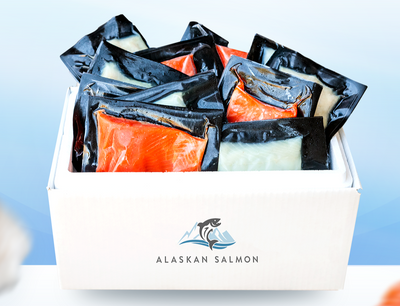
For an exceptional seafood experience, shop our wild Alaskan halibut fillets. Our filets are individually hand-cut, flash-frozen, and vacuum-sealed to preserve their fresh taste and firm texture.