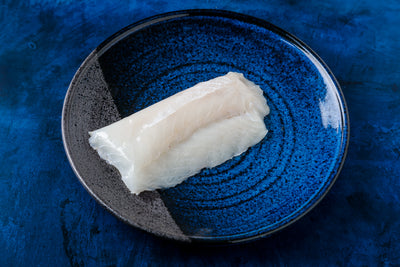
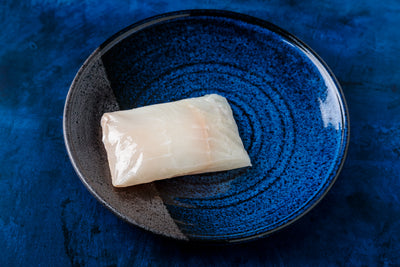
If you’re new to seafood, you may wonder: is halibut healthy? The simple answer is yes – halibut is chock-full of high-quality proteins and nutrients that make for a happy heart and immune system. However, as with many ingredients, you can have too much of a good thing.
If you’re considering introducing halibut to your regular roster of meals, you’ve come to the right place. Find out the health benefits associated with halibut and how to make the most of them.
Is Halibut Good for You?
Halibut is a healthy choice, as it’s a lean protein and is high in omega-3 fatty acids and essential vitamins and minerals. These elements support heart health, brain function, and overall well-being. However, it's necessary to be mindful of the potential mercury content in fish and choose responsibly sourced halibut to maximize its health benefits.
Halibut Nutrition Facts
Halibut is a low-calorie, nutrient-dense fish that offers various essential nutrients. Here are approximate nutrition facts for a 3-ounce (85 grams) cooked portion of halibut:
- Calories: Around 94 calories
- Protein: Approximately 20 grams
- Fat: About 1.5 grams
- Saturated Fat: 0.2 grams
- Monounsaturated Fat: 0.3 grams
- Polyunsaturated Fat: 0.5 grams
- Omega-3 Fatty Acids: Roughly 490 milligrams
- Cholesterol: About 45 milligrams
- Vitamin D: Approximately 196 IU (International Units)
- Vitamin B12: Around 3.3 micrograms
- Selenium: Approximately 31 micrograms
- Magnesium: About 32 milligrams
Halibut Health Benefits
Halibut offers several health benefits due to its nutritional composition and the presence of various essential nutrients:
Heart Health
The omega-3 fatty acids in halibut reduce inflammation, maintain healthy blood pressure levels, and prevent blood clots, ultimately supporting a healthy heart and reducing the risk of heart diseases [*]
According to studies, the niacin content in halibut helps prevent heart disease, with a half-fillet (160 grams) providing 57% of an individual’s dietary needs.
Brain Function
Omega-3 fatty acids are crucial for brain health and cognitive function [*]. The FDA claims that consumption of halibut may support brain development in infants, aid in maintaining cognitive function in adults, and potentially reduce the risk of neurodegenerative conditions like dementia and Alzheimer's disease.
Bone Health
The combination of vitamin D and protein in halibut is beneficial for bone health and can aid in reducing the risk of osteoporosis and maintaining healthy bone density [*].
Epidemiologic studies state that a single serving of halibut provides 45% of an individual’s dietary needs for phosphorus, a mineral that builds and maintains bones.
Anti-Inflammatory Properties
The omega-3 fatty acids in halibut possess anti-inflammatory properties that help reduce inflammation, potentially alleviating symptoms of inflammatory conditions [*, opens in a new tab].
The International Journal of Biomedical Science states that a single serving of halibut contains 106% of an individual’s dietary needs for selenium, an antioxidant that helps the body repair damaged cells and decrease inflammation.
Weight Management
As a lean protein source, halibut can be a part of a balanced diet for weight management, as it helps in satiety and can support a healthy metabolism [*].
A single serving of halibut provides 42 grams of high-quality protein to help facilitate weight loss.
It's essential to incorporate halibut into a well-rounded and balanced diet, considering responsible sourcing and moderation to reap its health benefits fully.
Potential Risks and Considerations
While halibut offers numerous health benefits, there are some potential risks and considerations to be mindful of.
Mercury Poisoning
Like many other fish, halibut may contain mercury and other environmental pollutants. Mercury is a toxic metal that can accumulate in fish due to pollution. Consuming fish with high mercury levels can be harmful, especially for pregnant women, nursing mothers, and young children. Choosing halibut that is lower in mercury and following consumption guidelines is advisable, especially for sensitive populations.
Allergies and Sensitivities
Some individuals may have allergies or sensitivities to seafood, including halibut. Allergic reactions can range from mild symptoms like hives and itching to severe reactions like difficulty breathing and anaphylaxis. If you have a known seafood allergy or experience adverse reactions after consuming halibut, you must avoid it and consult a healthcare professional.
Potential Overconsumption
Although halibut is nutritious, excessive consumption can affect the central nervous system, brain, and spinal cord.
Tips for Consuming Halibut for Maximum Health Benefits
To maximize the health benefits of consuming halibut, consider the following:
- Choose lean cuts: Opt for lean cuts of halibut to minimize the intake of saturated fats while maximizing the protein content.
- Grill or bake your fish: Use healthier cooking methods like grilling, baking, or broiling rather than frying. These methods retain the nutritional value of halibut without adding excessive fats.
- Limit added fats: Avoid heavy sauces or excessive use of butter when cooking halibut to keep the calorie and fat content in check. Instead, use herbs, spices, and citrus for flavor.
- Pair with vegetables: Serve halibut with vegetables like asparagus, zucchini, broccoli, and leafy greens for added antioxidants and minerals.
- Incorporate whole grains: Pair halibut with whole grains like quinoa, brown rice, or whole-grain pasta to increase the fiber content and provide sustained energy.
- Practice portion control: Be mindful of portion sizes to avoid over-consuming calories. A 3-ounce portion is a standard serving size.
- Season mindfully: Use herbs and spices like garlic, thyme, rosemary, and lemon to add flavor to halibut without relying on salt or high-calorie sauces.
- Avoid overcooking: Avoid overcooking halibut to retain its nutrients and prevent a dry, less appetizing texture. Cook until it's just opaque and flakes easily.
Related: Atlantic Halibut vs. Pacific Halibut: Everything You Need to Know
Summary
While halibut poses the risk of mercury poisoning, its health benefits outweigh the potential cons. In addition, it’s easy to prevent overconsumption by practicing portion control, using healthier cooking methods, seasoning mindfully, and pairing your dish with a collection of fresh, green vegetables.
If you’re looking for sustainably sourced halibut to add to your pantry, look no further than our wild Alaskan halibut. Our fish are fresh, jam-packed with micronutrients, and delivered straight to your doorstep in just two days!
Sources:
- Leaf A. “Historical overview of n−3 fatty acids and coronary heart disease.” The American Journal of Clinical Nutrition, 2008.
- Taylor et al. “Blood mercury levels and fish consumption in pregnancy: Risks and benefits for birth outcomes in a prospective observational birth cohort.” International Journal of Hygiene and Environmental Health, 2016.
- Heaney RP. “Phosphorus Nutrition and the Treatment of Osteoporosis.” Mayo Clinic Proceedings, 2004.
- Pham-Huy et al. “Free radicals, antioxidants in disease and health.” International journal of biomedical science, 2008.
- Pasiakos et al. “Effects of high‐protein diets on fat‐free mass and muscle protein synthesis following weight loss: a randomized controlled trial.” The FASEB Journal, 2013.