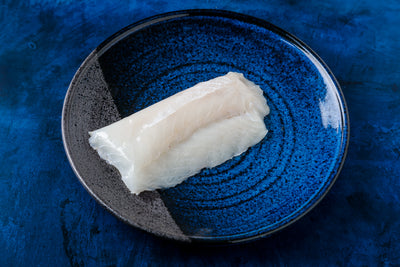
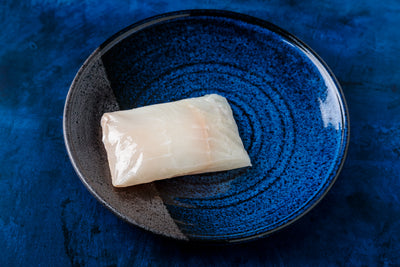
When you are trying to lose weight, the foods you choose can be a powerful part of your overall plan. Fish is one that’s worth putting on your menu. It’s tasty, filling, and can supply your body with many nutrients without adding excess calories.
As someone who has eaten plenty of fish over the years, I can see how fish can fit naturally into a balanced weight loss approach.
But when you look closer, you’ll find that some types of fish may be better choices than others. The same goes for how you prepare them.
In this article, we’ll take a closer look at the types of fish that experts recommend for a healthy weight loss diet, along with what makes them good choices for your plate.
What Makes a Fish Good for Weight Loss?
When you are choosing fish for a weight-loss meal, it helps to look beyond calories alone.
Protein is an important piece of the puzzle. Fish is naturally rich in protein, which can make a meal feel more satisfying and help you stay full after eating. This can be especially useful when you are trying to make changes to your portions or avoid feeling hungry soon after a meal.
Calories matter, too, but they are not the whole story. Many types of fish are relatively low or moderate in calories, so they’re easier to include in a calorie-conscious meal. Choosing fish instead of higher-calorie foods can give you plenty of food on your plate without using up as many of your daily calories.
Nutrients also count. Fish does more than add protein to your diet. Depending on the type, it can provide nutrients such as vitamin D, selenium, and vitamin B12. These nutrients support normal energy metabolism and other important body functions, which matter when you are trying to stay active.
And don't be afraid of healthy fats. Fatty fish, such as salmon, can contain more calories than leaner varieties, but that does not mean you need to avoid them. These fish provide beneficial omega-3 fatty acids.
9 Best Fish to Eat for Weight Loss
Rather than looking for one “perfect” fish for weight loss, it makes more sense to have a few different options in your rotation. That way, That way, you can enjoy a variety of flavors and nutrients while still choosing fish that fits into a balanced diet.

1. Cod
Cod is one of those fish that makes healthy eating feel pretty simple. It has a mild flavor and firm texture, so it works with everything from lemon and herbs to tacos and grain bowls.
It is also one of the leanest options on this list. Cooked Atlantic cod provides roughly 22.8 grams of protein and 105 calories per 100 grams, according to nutrition data [*, opens in a new tab]. That high protein-to-calorie ratio is what makes cod particularly interesting for someone trying to create filling meals.
As a fisherman, I also like cod because you don't have to do much to make it taste good. A little seasoning and a hot oven can go a long way.
2. Halibut
Halibut is a good option when you want a lean fish that feels substantial on the plate. Its thick, meaty texture can make a meal feel more satisfying than you might expect from such a lean protein.
A 100-gram serving of halibut contains about 19 grams of protein and only 81 calories, although the exact numbers will vary depending on the cut and whether it is raw or cooked [*, opens in a new tab].
There is one thing I would pay attention to with halibut: what you put on it. A lean fillet can quickly become a much heavier meal when it is pan-fried in lots of butter or covered with a creamy sauce. I prefer grilling or baking it with herbs, lemon, and just enough oil to keep it moist.
The FDA currently places halibut in its “Good Choices” category for mercury, rather than its lowest-mercury “Best Choices” category [*, opens in a new tab].
3. Herring
Herring is a different kind of choice because it is a fatty fish. That means it isn't as low in calories as cod or haddock, but it brings something those leaner fish don't provide in the same amounts: omega-3 fatty acids.
Atlantic herring provides about 18 grams of protein and 158 calories per 100 grams, according to the NOAA Fisheries [*]. Its calorie content is higher largely because of its fat content, but those fats include EPA and DHA omega-3s.
Julia Zumpano, RD, LD, opens in a new tab, a registered dietitian at Cleveland Clinic, specifically identifies herring as a fish that deserves more attention. She says herring boasts more omega-3 fatty acids than tuna. She also notes that herring contains less mercury than tuna, king mackerel, swordfish and halibut.
For weight loss, I wouldn't look at herring's higher calorie count. Instead, I would think about the portion and the rest of the meal.
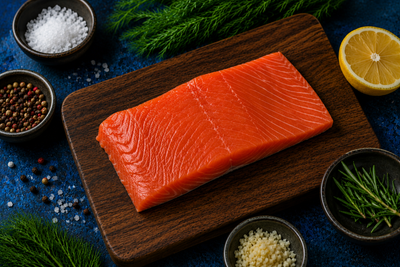
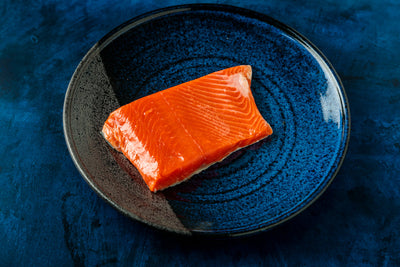
4. Salmon
Salmon is one of the easiest fish to recommend because it provides plenty of protein along with heart-healthy omega-3 fats. While it contains more fat and calories than lean fish like cod, those fats can make meals more satisfying and may help you stay full longer.
Cooked Atlantic farmed salmon provides approximately 20 grams of protein and 197 calories per 100 grams [*, opens in a new tab].
A Healthline article, medically reviewed by registered dietitian Amy Richter, MS, RD, notes that salmon may support weight management, partly because its protein can help promote feelings of fullness. If you're looking for a lower-calorie option, wild salmon may be worth choosing.
The goal is not to eliminate every calorie-dense food. It is to build meals that are satisfying and nutritious while keeping your total intake appropriate for your goals.
For me, grilled or baked salmon with vegetables is hard to beat. You get a flavorful main dish without needing much added to it.
5. Sardines
Sardines are small, but they pack a lot into a relatively small fish. They provide protein, omega-3s, vitamin B12, vitamin D, and calcium when the edible bones are included.
Canned sardines provide approximately 24.6 grams of protein and 208 calories per 100 grams, according to USDA-based nutrition data [*, opens in a new tab].
Dietitians frequently recommend sardines as a nutrient-dense fatty fish. Sardines are also an excellent choice from a mercury standpoint. The FDA lists sardines among its “Best Choices,” meaning they are among the lower-mercury options [*].
From my perspective, one of their biggest advantages is convenience. Just remember that canned varieties can differ considerably in sodium and packing liquid.
If you're watching calories, sardines packed in water may make it easier to control your intake than varieties packed in oil.
6. Tuna
Tuna earns its place largely because it makes eating more protein incredibly convenient. Canned tuna can go into a salad, sandwich, wrap, or bowl in minutes.
Fresh skipjack tuna provides approximately 22 grams of protein and 103 calories per 100 grams, which makes it a particularly lean source of protein.
Registered dietitian Cara Rosenbloom, opens in a new tab notes that tuna also provides important nutrients such as iron, which your body needs to make red blood cells. Iron is particularly relevant if you're trying to stay active because red blood cells transport oxygen to working muscles.
Rosenbloom recommends choosing canned skipjack, or light tuna, more often.
7. Mackerel
Mackerel is richer than lean fish such as cod and haddock, so it provides more calories per serving, but that doesn't automatically make it a poor choice for weight loss.
Atlantic mackerel provides about 18.6 grams of protein and 205 calories per 100 grams, according to USDA nutrition data [*, opens in a new tab]. It contains about 13.9 grams of fat per 100 grams, which accounts for much of its calorie content.
That's why mackerel is higher in calories than leaner fish, but much of its fat comes with beneficial omega-3 fatty acids.
There is one important detail I would pay attention to: the type of mackerel matters. The FDA lists Atlantic mackerel and Pacific chub mackerel among its “Best Choices” for lower mercury, while king mackerel is on the “Choice to Avoid” list because of its high mercury levels [*].
I wouldn't treat every mackerel as interchangeable. Check the species before buying it, especially if you plan to eat it often.
8. Trout
Trout is a nice option when you want a flavorful fish that provides both protein and healthy fats. Rainbow trout, in particular, is a good source of protein while also providing omega-3 fatty acids, vitamin D, and vitamin B12.
A 100-gram serving of cooked rainbow trout provides approximately 23.8 grams of protein and 168 calories [*, opens in a new tab] That gives you a substantial amount of protein while keeping the calorie count moderate.
I particularly like trout when it is simply seasoned and baked. Lemon, garlic, herbs, and black pepper can give it plenty of flavor without needing a rich sauce. It is also a nice change when you want something different from salmon but still enjoy a fish with a little more richness than cod.
9. Haddock
Haddock is another lean white fish that can work particularly well when you want to keep calories reasonable while getting plenty of protein. It has a mild flavor and firm, flaky texture, so it’s easy to use in everything from simple baked dinners to fish tacos.
If you're watching your calories, I would be careful not to undo haddock's lean profile with the preparation. A 100-gram serving of cooked haddock provides about 20 grams of protein and 90 calories [*, opens in a new tab].
According to Paula Martinac, MS, opens in a new tab, a health and nutrition educator and board-certified holistic nutritionist, haddock has a stronger flavor and firmer texture than cod. She also notes that haddock offers a good amount of omega-3 fats, which sets it apart from its close relative.
Tips for Preparing Fish for a Weight-Loss-Friendly Meal
Choosing a fish that fits your goals is a good start, but how you prepare it can also affect the overall calorie content of your meal.
From my own experience eating fish, as well as what I've heard from friends who have made it part of their meals, keeping preparation simple can go a long way.
- Keep the cooking method simple: Cooking fish in the oven, on the grill, under the broiler, in a steamer, or in an air fryer can give you a flavorful meal without relying heavily on added fats.
- Save fried fish for occasional meals: A thick coating and plenty of frying oil can add substantially more calories than the fish itself. For an everyday meal, a lighter preparation is usually the better choice.
- Think about what you're adding to the fish: Butter, creamy sauces, and rich dressings can quickly increase the calories in your meal. Lemon, herbs, spices, garlic, and fresh salsa are some easy ways to add flavor without going overboard.
- Don't make the fish carry the whole meal: Add vegetables, beans, whole grains, or another fiber-rich food to round out your plate. These foods can add volume and make the meal more satisfying.
- Let your needs guide your portion: There isn't one fish portion that works for everyone. Consider how much you need based on your total calorie intake, the type of fish you're eating, and what else is on your plate.
Summary
There isn't one fish that magically causes weight loss, but some varieties can make it easier to put together satisfying meals. Lean fish can provide plenty of protein for relatively few calories, while fatty fish offer protein along with omega-3 fats and other valuable nutrients.
As you explore different varieties, pay attention to portions, preparation methods, and the foods you serve alongside your fish. A weight-loss diet doesn't have to feel restrictive, and fish can be one delicious way to keep your meals both nutritious and enjoyable.