I have had many conversations with other fishermen and people who pay close attention to the fish they eat. We talk about where salmon comes from, whether it was caught in the wild or raised on a farm, and how those differences affect the fish.
These are fair questions, especially when you care about the quality and nutrition of what you put on the table. But does a salmon’s origin actually change its nutritional value?
The answer is more complicated than simply choosing wild-caught over farm-raised.
Coho Salmon
Coho salmon is a Pacific salmon native to the northern Pacific Ocean. It is also known as silver salmon, a name linked to its bright silver skin.
Coho spend part of their lives in freshwater streams before moving into the ocean, where they grow and feed. When they return to freshwater to spawn, their bodies become darker and their sides can take on red tones.
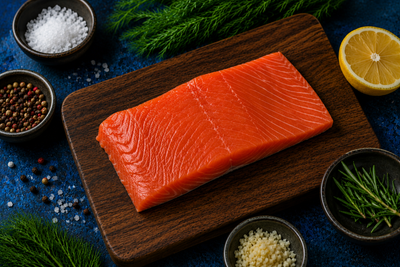
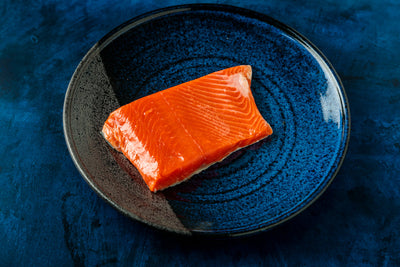
Coho is known for its mild flavor, firm texture, and bright orange-red flesh. It is popular with people who enjoy a less oily salmon while still getting the rich taste and nutrients that salmon provides.
Atlantic Salmon
Atlantic salmon is native to the North Atlantic Ocean and nearby rivers. Unlike Pacific salmon, Atlantic salmon can survive and return to freshwater more than once during its lifespan.
Young salmon begin in freshwater rivers and streams before moving to the ocean to grow. When they return to spawn, their bodies change in color and appearance.
Atlantic salmon is also called salmo salar, its scientific name. Its flesh is usually pink to orange, depending on its diet.
Today, Atlantic salmon is especially popular as a food fish and is widely available in grocery stores and restaurants. Most Atlantic salmon sold commercially is farm-raised, which would make it one of the most widely consumed types of salmon.
What’s the Difference Between Coho Salmon and Atlantic Salmon?
The primary difference between Coho and Atlantic salmon is their origin. Coho belongs to the group of Pacific salmon, while Atlantic salmon comes from a different salmon species found in the Atlantic region. This difference in species and environment helps explain why the two fish can look and taste different.
How salmon is raised also matters. Coho is commonly sold as wild-caught fish, meaning it develops in its natural environment and feeds on the food available there.
Atlantic salmon is more often raised on farms, where its diet and growing conditions are managed. These differences can influence the amount and type of fat found in the fish.
Fat content is one of the clearest nutritional differences. Atlantic salmon is generally higher in total fat, while wild Coho tends to be leaner. Both contain omega-3 fatty acids, but the amounts can vary based on factors such as diet, habitat, and whether the fish is wild or farm-raised.
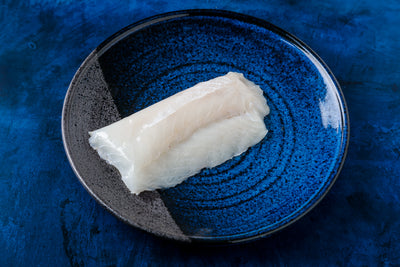
Their color can differ as well. Coho flesh often has a deeper orange-red appearance, while Atlantic salmon can range from pale pink to a stronger orange. Color does not always tell you which fish is more nutritious.
Note that in farm-raised salmon, the color of the flesh can also be influenced by pigments added to the fish's feed.
There is also a noticeable difference in taste and texture. Coho tends to have a cleaner, milder flavor and a firmer texture. Its leaner flesh can give it a lighter feel when eaten.
Atlantic salmon is usually richer and more buttery, with softer, fattier flesh. For many people, this difference in mouthfeel is one of the easiest ways to tell the two apart.
In short, their origin sets the stage for many of the differences you see in Coho and Atlantic salmon. Their species, environment, diet, and farming methods all contribute to differences in fat, color, flavor, and texture.

Which is Better, Coho Salmon or Atlantic Salmon?
Neither Coho nor Atlantic salmon is automatically the better choice. The right option depends on what you value most, such as fat content, flavor, texture, sourcing, or how the fish is raised.
Both can provide high-quality protein and important nutrients, so your personal preferences and priorities should guide your choice.
Choose Coho Salmon If…
- You prefer wild-caught fish: Coho is commonly available as wild-caught salmon, which may appeal to those who prefer fish raised in its natural environment.
- You want a leaner option: Wild Coho generally contains less total fat than farm-raised Atlantic salmon.
- You enjoy a milder flavor: Coho’s cleaner, more delicate taste that may suit people who do not want a very rich salmon flavor.
- You prefer firmer flesh: Its leaner texture tends to hold together well when grilled, baked, or pan-seared.
Choose Atlantic Salmon If…
- You prefer richer fish: Atlantic salmon is generally higher in total fat, so it has a richer and more buttery texture.
- You enjoy softer flesh: Its higher fat content can make the fish feel more tender and moist when cooked.
- You want a widely available option: Farm-raised Atlantic salmon is commonly sold at grocery stores, markets, and restaurants.
- You prefer a stronger salmon flavor: Its rich taste can work well in dishes where you want the salmon to be a more noticeable part of the meal.
- You prefer farm-raised seafood: Atlantic salmon may be the better fit if you are comfortable with farm-raised fish and appreciate the consistent supply and availability it provides.
Choosing between Coho and Atlantic salmon does not have to come down to which one is “better.” Coho and Atlantic salmon come from different species and environments, and most of the Atlantic salmon sold today is farm-raised.
These factors help explain differences in their fat, color, flavor, and texture. Neither is the clear winner for everyone. In the end, the best choice depends on what you value most when choosing seafood.