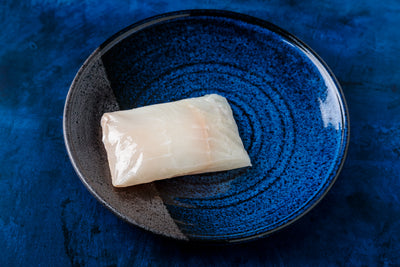
Ever wondered why some fish are called “cod” even when they aren’t? Alaskan sablefish, or black cod, and Pacific cod both come from chilly northern waters, but they are very different. One is soft and buttery, the other is firm and flaky.
Even though both are popular seafood choices, they are very different in taste, nutrition, and cost. This article will help you understand the differences between black cod and Pacific cod. We’ll cover their appearance, flavor, texture, and nutrition. You’ll also discover why black cod is sometimes called “sablefish” and why it costs more.
After reading, you’ll know which fish might be right for you.
Alaskan Sablefish (Black Cod) vs. Pacific Cod
When it comes to choosing fish for your next meal, black cod and Pacific cod may sound similar, but they are quite different. Let’s break down how these two fish compare:
Appearance
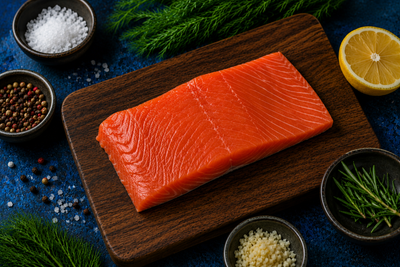
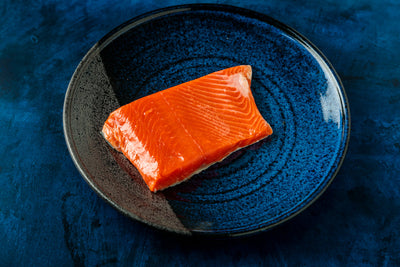
Black cod, also known as Alaskan sablefish, has a striking appearance with dark, almost bluish-black skin on top and a silvery-white belly. Its body is long, slightly curved, and smooth, and its thick, oily flesh gives it a glossy, luxurious look when raw.
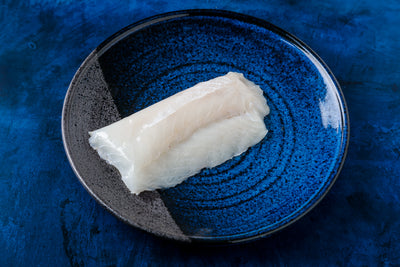
In contrast, Pacific cod has a lighter coloration, usually pale gray to brown on top with a white underside. Its body is more rigid and muscular, and the flesh is firm but less fatty, giving it a plainer, matte appearance.
When shopping, black cod can look rich and indulgent, while Pacific cod has the familiar look of standard grocery store cod fillets or fish sticks.
Flavor and Texture
Black cod is prized for its buttery, silky texture that almost melts in your mouth once cooked. Its flavor is mild yet rich, thanks to its high fat content and abundance of omega-3 fatty acids. This makes it an excellent choice for grilling, baking, or broiling, as it pairs beautifully with flavorful sauces while still keeping its delicate taste.
Pacific cod, on the other hand, has a firmer, flakier texture and a clean, slightly sweet flavor. It’s not as rich as black cod, but its versatility means it can be enjoyed for everyday dishes like fish and chips, chowders, or simple baked recipes. It holds up well during cooking, even in methods that might cause softer fish to fall apart.
Nutrition Profile
One of black cod’s biggest highlights is its high omega-3 fatty acid content, which supports heart and brain health. It’s also higher in calories and fat than Pacific cod — factors that contribute to its rich, buttery flavor. In addition, black cod provides quality protein, vitamin D, and essential minerals like selenium.
Pacific cod, meanwhile, is a leaner option. It’s lower in fat and calories but still offers a solid amount of protein. It’s also a good source of vitamin B12, phosphorus, and selenium, making it a nutritious choice for those who prefer a lighter fish.
Think of black cod as a “treat” fish, nutritious and indulgent, while Pacific cod is the dependable, everyday option that delivers health benefits without the extra richness.
Related: Is Cod Healthy? Nutrition, Benefits, and Risks
Taxonomy
Black cod, also known as sablefish, has the scientific name Anoplopoma fimbria. Despite its name, it isn’t actually a true cod. Instead, it belongs to a separate family of fish called Anoplopomatidae.
Pacific cod, on the other hand, is a true cod species with the scientific name Gadus macrocephalus. It’s part of the Gadidae family, which also includes Atlantic cod and other well-known cod varieties.
So, while “black cod” is a popular nickname used in restaurants and markets, Pacific cod is the genuine cod in biological terms.
Price
Black cod is a true delicacy. Because it’s caught in smaller quantities and prized for its rich, buttery flavor, it usually comes with a higher price tag. You’ll often find it in fine-dining dishes or as the star of a special meal at home.
Pacific cod is the more budget-friendly option. It’s widely available, mild-tasting, and easy to cook in all kinds of recipes, from baked fillets to fish tacos.
Put simply, black cod is your “special dinner” fish, while Pacific cod is the one you can enjoy any day of the week.
Which is Better, Black Cod or Pacific Cod?
It depends on what you’re looking for in a fish. Black cod is rich, buttery, and almost melts in your mouth, making it a favorite for special meals or fancy recipes. Its flavor and texture are luxurious, but that comes with a higher price.
Pacific cod is milder and firmer, with a clean, slightly sweet taste. It’s easy to cook, holds up well in many dishes, and is much more budget-friendly.
Think of it this way: black cod is the fish you pick for an occasion when you want to impress, while Pacific cod is the everyday fish that’s reliable, healthy, and easy to enjoy any night of the week.
Ready to make your next meal a little more special? Order our Alaskan black cod. Rich, buttery, and naturally tender, it’s a delicious choice when you want restaurant-quality flavor right at home.
FAQs
Why is sablefish called black cod?
Even though it’s called “black cod,” sablefish is not a true cod. Its dark skin and mild, cod-like flavor led people to give it that nickname. The official name, sablefish (Anoplopoma fimbria), comes from its shiny, dark appearance, which looks a bit like black velvet.
Why is black cod so expensive?
Black cod is more expensive because it’s caught in smaller numbers and grows slowly in cold northern waters. Restaurants and chefs also seek its rich flavor and soft texture because it creates a luxurious, melt-in-your-mouth dining experience that’s hard to replicate with other fish. The combination of limited supply and high demand drives the price up.