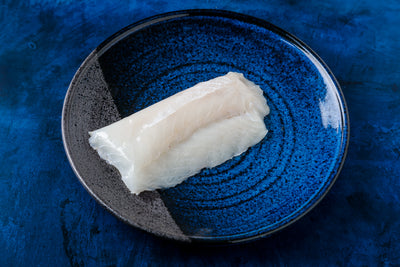
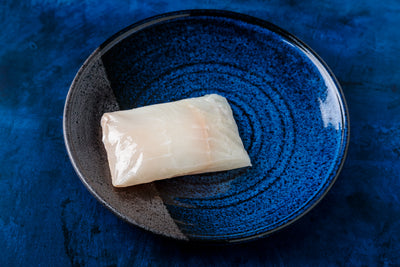
Tuna is a popular fish that many people enjoy, but sometimes it’s not the best choice for everyone. Some people worry about mercury in tuna, while others want to eat fish that’s caught in ways that protect the ocean.
The good news is there are plenty of tasty and healthy options that can take tuna’s place in sandwiches, salads, and meals. In this article, we’ll discover four great tuna substitutes that are good for your body and the planet!
Healthy Tuna Substitutes
If you’re ready to swap out tuna, here are four tasty fish that make excellent alternatives. Each type brings unique flavors, health advantages, and ideas for enjoying it in your meals.
1. Salmon
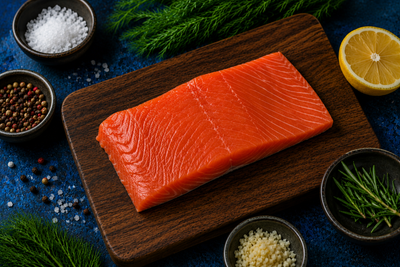
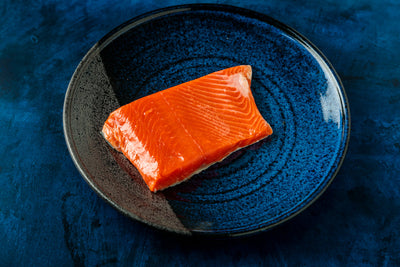
Salmon is a flavorful fish that is full of omega-3 fatty acids, which help keep your heart healthy and support brain function. It can be a great substitute for tuna because it has a meaty texture that holds up well in sandwiches, salads, and sushi rolls.
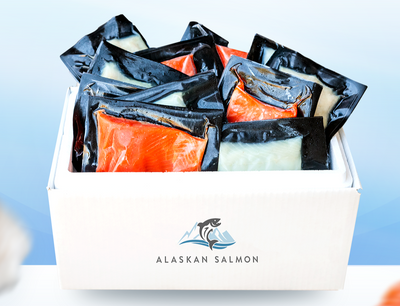
Sockeye salmon and king salmon are especially good choices as tuna replacements, and wild-caught varieties tend to be more sustainable and flavorful.
People love eating salmon grilled, baked, or even mixed into a fresh salad for a tasty and healthy meal. You can also find canned salmon, which has a softer texture than fresh salmon but still offers the same great nutrients and flavor.
2. Sardines
If sardines are what you already have at home, they can make a great substitute for tuna — especially in salads, sandwiches, or pasta dishes.
Sardines are rich in omega-3 fatty acids, calcium, and vitamin D, which support heart, bone, and brain health. They also provide a flavorful, slightly salty taste that works well in many recipes.
Try using sardines instead of tuna in a Mediterranean sardine salad with olive oil, lemon juice, and chopped veggies for a nutritious twist on the classic tuna salad.
3. Mackerel
Mackerel is a rich, oily fish with a stronger flavor than tuna, which makes it perfect for people who enjoy bolder-tasting seafood. It’s an excellent substitute for tuna because it’s also high in protein and loaded with omega-3 fatty acids. Compared to tuna, mackerel is often more sustainable and has lower mercury levels.
You can try it in an easy recipe like mackerel salad on whole-grain toast — just mix canned mackerel with a little Greek yogurt, lemon juice, and chopped veggies.
4. Trout
Trout is a mild and versatile fish that works well anywhere you’d normally use tuna, whether that’s in sandwiches or rice bowls. Its flavor is less “fishy” than tuna or mackerel, making it a great choice if you prefer something gentler in taste.
Trout is considered a lean fish, meaning it’s lower in fat but still provides plenty of protein and omega-3 fatty acids. You can enjoy it baked with herbs and lemon, pan-seared for a quick dinner, or flaked over a salad for a fresh and wholesome meal.
Tips for Substitutions
When swapping tuna for another fish, it helps to think about both flavor and texture so your meal still tastes great. Firmer fish like salmon or trout hold up well in sandwiches, wraps, and sushi rolls, while softer options like canned salmon, sardines, or mackerel blend easily into salads, pasta dishes, and even spreads.
You can also consider the taste. Mackerel and sardines have stronger, bolder flavors, while trout and salmon are milder and more versatile.
Don’t be afraid to get creative with seasonings, herbs, and a squeeze of lemon or a light dressing to bring out the best flavor in your chosen fish.
Rotating different types throughout the week can keep meals exciting, give you a variety of nutrients, and reduce exposure to mercury that’s sometimes found in tuna.
Summary
Finding a tuna alternative that’s both delicious and nutritious doesn’t have to be hard. Whether you choose salmon, sardines, mackerel, or trout, each option brings unique flavors and nutrients to your meals.