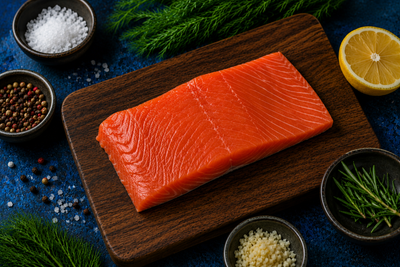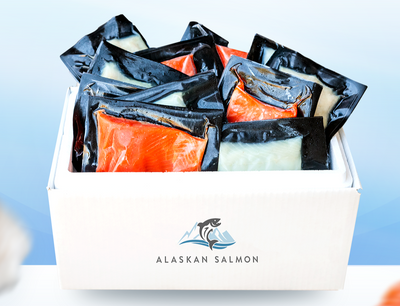
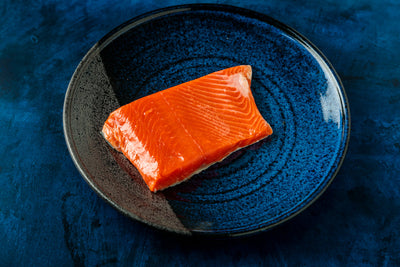
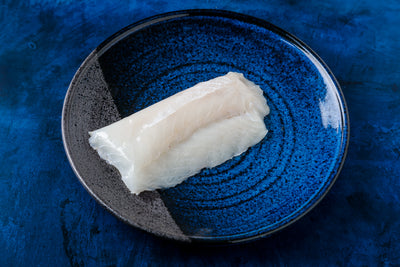
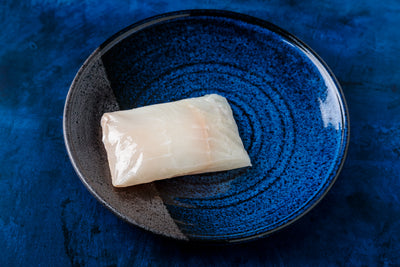
You're ready to cook dinner, but you realize the salmon is still frozen. Maybe you forgot to take it out of the freezer, or you changed your dinner plans at the last minute.
It might seem like you have to wait for it to thaw, but that's not true. You can safely cook frozen salmon without thawing it first. With the right cooking method, it can still turn out tender, flaky, and full of flavor.
In this article, you'll learn the easiest ways to cook frozen salmon straight from the freezer, plus simple tips for the best results.
Baking: The Foolproof Method for Cooking Frozen Salmon
If you're cooking frozen salmon for the first time, baking is the best place to start. The oven surrounds the fish with steady, even heat, so it cooks all the way through without drying out the outside.
Another benefit is that baking doesn't require much attention. Once the salmon is in the oven, you only need to check it near the end of the cooking time. It’s a convenient option for busy weeknights.
Easy steps to bake frozen salmon:
- Preheat the oven to 425°F. A slightly higher temperature helps the frozen center cook through while the outside stays tender.
- Remove the fillets from the freezer. If they're coated with ice, rinse them briefly under cold water to wash it away. Pat the salmon dry with paper towels.
- Lightly coat both sides with olive oil or another cooking oil. This helps prevent sticking and encourages light browning.
- Sprinkle on salt, pepper, and your favorite herbs or spices. Since the salmon is frozen, a little extra seasoning helps add flavor.
- Place the fillets skin-side down on a parchment-lined or lightly greased baking sheet. Bake for about 20 to 25 minutes, depending on the thickness of the fillets.
- The salmon is ready when it flakes easily with a fork and reaches an internal temperature of 145°F in the thickest part.
Tips for the best results:
- Choose fillets that are similar in size so they cook evenly.
- Avoid overcrowding the baking sheet. Leave a little space between each fillet so the hot air can circulate.
- If you’re adding a glaze or sauce, brush it on during the last few minutes of baking so it doesn't burn.
- Let the salmon rest for 2 to 3 minutes before serving to help the juices settle.
You mal also like: How Long to Bake Salmon at 400
Beyond Baking: Other Frozen Salmon Cooking Methods
Baking is the easiest method, but it isn't your only choice. If you like a crispy crust, smoky flavor, or a faster cooking time, there are other great ways to cook frozen salmon without thawing it first.
Other cooking methods include:
- Pan-searing - Creates a crispy outside while keeping the inside moist and flaky.
- Air frying - Cooks salmon quickly with little oil and gives it lightly crisp edges.
- Grilling - Adds a smoky, charred flavor that's perfect for outdoor meals.
Each method works a little differently, so it's important to use the right steps. Follow the sections below to cook frozen salmon safely and get the best results.
How to pan-sear frozen salmon
- Hold the frozen salmon under cold running water for a few seconds. Pat it dry with paper towels.
- Add a small amount of oil to a nonstick or cast-iron skillet over medium heat.
- Place the salmon skin-side down in the pan. Cover with a lid and cook for about 5 to 6 minutes.
- Once the surface begins to thaw, add salt, pepper, and your favorite seasonings.
- Turn the salmon over and cook for another 4 to 6 minutes, or until it flakes easily with a fork and reaches an internal temperature of 145°F.
- Let the salmon sit for a couple of minutes before eating.
Tip: Covering the pan during the first few minutes helps the frozen center cook more evenly.
You may also like: My Secret to a Perfectly Pan Seared Salmon
How to air-fry frozen salmon
- Preheat the air fryer to 400°F if your model requires it.
- Rinse away any ice and pat the fillets dry.
- Brush the salmon with a little oil to help it brown.
- Sprinkle on your favorite herbs and spices.
- Place the fillets in a single layer in the basket. Cook for about 12 to 15 minutes, depending on their thickness.
- The salmon should flake easily and reach an internal temperature of 145°F.
Tip: Leave space between the fillets so the hot air can circulate and cook them evenly.
You may also like: How I Cook Frozen Salmon in My Air Fryer When I’m Short on Time
How to grill frozen salmon
- Preheat the grill to medium heat and clean the grates.
- Rinse off any ice and pat the fillets dry.
- Coat both the salmon and the grill grates with oil to help prevent sticking.
- Add salt, pepper, and any other seasonings you like.
- Place it skin-side down over indirect or medium heat. Close the lid and cook for about 15 to 20 minutes, depending on thickness.
- The salmon should flake easily with a fork and reach an internal temperature of 145°F.
Tip: Keep the lid closed as much as possible to retain heat and help the frozen salmon cook evenly.
You may also like: How to Grill Salmon Perfectly Every Time – My 5 Secrets for Grilling Salmon
Is it safe to cook salmon without thawing?
Yes. It is safe to cook frozen salmon without thawing it first, as long as you cook it all the way through. The thickest part of the fish should reach an internal temperature of 145°F before serving.
Is it better to thaw frozen salmon before cooking?
It depends on the cooking method and your schedule. Thawing can help the salmon cook a little more evenly and may reduce the cooking time. However, if you're short on time, you can cook frozen salmon directly from the freezer and still get excellent results.
Will cooking frozen salmon take much longer?
Usually not. Frozen salmon takes about 5 to 10 minutes longer to cook than thawed salmon because it needs time to thaw as it cooks. The exact cooking time depends on the thickness of the fillet and the cooking method.
Can you cook frozen salmon with skin on?
Yes. In fact, leaving the skin on can help hold the fillet together while it cooks. If you're baking, grilling, or pan-searing, place the salmon skin-side down whenever possible. You can remove the skin after cooking if you don't want to eat it.
Summary
A frozen salmon fillet doesn't have to ruin your dinner plans. You can cook it straight from the freezer and still end up with a tasty meal.
Baking is the easiest and most reliable option, especially if you're new to cooking frozen salmon. But if you want crispy edges, a smoky flavor, or a quicker meal, pan-searing, air frying, and grilling are all great choices too.
The key is to use the right cooking method and make sure the salmon reaches the right internal temperature. This guarantees you'll have tender, flaky salmon that's ready to enjoy!