Smoked salmon is a favorite food for many people because of its rich, smoky flavor and tender texture. It's served on bagels, salads, sandwiches, and charcuterie boards. Since salmon is known for being packed with protein and heart-healthy omega-3 fats, many people assume smoked salmon is just as healthy.
But one common question is: Is smoked salmon healthy, or does all that salt make it a less healthy choice?
The answer depends on how much you eat and your overall health. Keep reading to discover the benefits of smoked salmon, the health concerns to know about, and whether it's a good choice for you or your family.
What is Smoked Salmon?
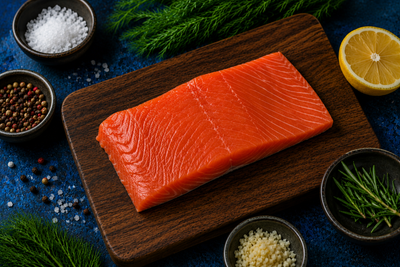
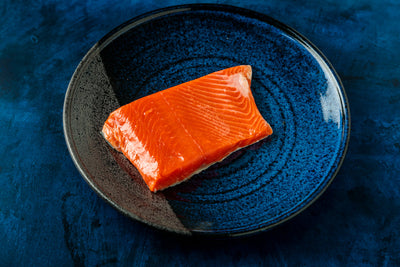
Smoked salmon is salmon that has been cured with salt and smoked to preserve it and give it a rich, smoky flavor. The curing process is what gives smoked salmon its signature taste, but it also makes it much higher in sodium than fresh salmon.
There are two main types of smoked salmon:
Cold-smoked salmon is cured with salt and smoked at a low temperature, usually below 90°F (32°C). Because it is never fully cooked, it has a soft, silky texture.
Hot-smoked salmon, on the other hand, is smoked at a much higher temperature, usually above 120°F (49°C), which fully cooks the fish. It has a firmer, flaky texture and can be eaten warm or cold.
According to the USDA, opens in a new tab, a 100-gram serving of smoked salmon provides approximately:
- Calories: 123
- Protein: 24.6 g
- Total Fat: 2.63 g
- Carbohydrates: 0 g
- Sodium: 1050 mg
- Omega-3 fatty acids: Naturally present, supporting heart and brain health.
Related: Why Some Smoked Salmon is Raw — and Some Isn’t
Benefits of Eating Smoked Salmon
Although smoked salmon contains more sodium than fresh salmon, it still provides many of the same nutrients that make salmon one of the healthiest fish you can eat.
Supports heart health
Smoked salmon is naturally rich in omega-3 fatty acids, a type of healthy fat your body cannot make on its own. These fats help keep your heart and blood vessels working well by supporting healthy circulation and reducing inflammation.
The sodium in smoked salmon means it shouldn't replace fresh salmon entirely, but eating it occasionally can still contribute to a heart-friendly diet.
Helps build and repair muscles
Every serving of smoked salmon provides high-quality protein, which your body uses to build muscles, repair tissues, and support healthy growth. Protein also helps you stay full longer after eating. For this reason, smoked salmon can be a satisfying choice for breakfast, lunch, or a healthy snack!
Supports brain function
The same omega-3 fats that benefit your heart also play an important role in your brain. They help brain cells communicate with one another, which supports learning, memory, and concentration. Smoked salmon also contains vitamin B12, which helps keep your nerves healthy.
Helps keep bones strong
Strong bones need more than just calcium. Smoked salmon is a good source of vitamin D, which helps your body absorb calcium from the foods you eat. It also provides phosphorus, another mineral that works with calcium to support healthy bones and teeth.
Health Concerns Associated With Smoked Salmon
Smoked salmon can be a healthy food, but it isn't the best choice for everyone. Because it is cured with salt and smoked during processing, there are a few health concerns to keep in mind.
High sodium content
The biggest concern with smoked salmon is its sodium content. A 100-gram serving contains about 1,050 mg of sodium, which is nearly half of the recommended daily limit for most adults. Eating too much sodium over time may raise blood pressure and increase the risk of heart disease and stroke.
If you enjoy smoked salmon, try eating smaller portions and pairing it with fresh fruits, vegetables, and other lower-sodium foods.
Related: How I Serve Smoked Salmon That Always Get Compliments
May increase exposure to smoke-related compounds
Smoking gives salmon its rich flavor, but the process can also create small amounts of compounds called polycyclic aromatic hydrocarbons (PAHs).
Some PAHs have been linked to cancer when people are exposed to high amounts over a long time. However, modern food producers carefully control the smoking process to keep these compounds as low as possible.
Risk of harmful bacteria
Cold-smoked salmon is not fully cooked, so it can sometimes contain harmful bacteria such as Listeria monocytogenes.
While healthy adults usually have a lower risk of becoming seriously ill, pregnant women, older adults, newborns, and people with weakened immune systems are more likely to develop severe infections.
Choosing hot-smoked salmon or heating cold-smoked salmon until steaming can lower this risk.
Safety Consumption Guidelines
Smoked salmon can fit into a healthy diet, but the right amount depends on your age, health, and nutritional needs. These guidelines can help you decide when smoked salmon is a good choice and when extra caution is needed.
For healthy adults
Most healthy adults can enjoy smoked salmon in moderation as part of a balanced diet. Eating it occasionally instead of every day can help you enjoy its protein, omega-3 fats, and vitamins without consuming too much sodium.
Pair smoked salmon with fresh vegetables, whole grains, and other low-sodium foods to help create a healthier meal.
For people with high blood pressure
People with high blood pressure should be especially mindful of how much smoked salmon they eat. Since it is cured with salt, even a small serving can contribute a significant amount of sodium.
If you have hypertension or have been advised to follow a low-sodium diet, talk with your healthcare provider or a registered dietitian about whether smoked salmon is appropriate for you. Fresh salmon is often the better choice.
Related: Is Salmon Good for High Blood Pressure?
For pregnant women
Pregnant women should avoid refrigerated cold-smoked salmon unless it has been cooked until steaming hot. Cold-smoked salmon may contain Listeria, a type of bacteria that can cause serious illness during pregnancy.
Fully cooked salmon, including hot-smoked salmon that has been heated properly, is generally considered the safer option. If you are unsure which type of smoked salmon you have, ask your healthcare provider before eating it.
Related: Can You Eat Salmon While Pregnant?
For older adults
As people age, their immune systems may not fight infections as well as they once did. Because of this, older adults have a greater risk of becoming seriously ill from bacteria such as Listeria.
Choose fully cooked salmon instead of refrigerated cold-smoked salmon to help reduce this risk while still providing the nutritional benefits of fish.
For children
Children can eat smoked salmon occasionally, but it should not become a regular part of their diet. Their growing bodies need a variety of nutritious foods, and too much sodium is not healthy for developing hearts and kidneys.
If serving smoked salmon to children, choose small portions and balance the meal with fresh fruits, vegetables, and whole grains. Fully cooked salmon is generally a safer option for young children than cold-smoked salmon.
Enjoy Smoked Salmon — Just Be Mindful
Smoked salmon can be a delicious and nutritious addition to your meals. It provides high-quality protein and other nutrients that support health.
Choosing sensible portion sizes, balancing it with lower-sodium foods, and knowing whether you're eating hot-smoked or cold-smoked salmon can help you get the most benefits while reducing potential risks.
If you have any dietary concern, it's always best to follow your healthcare provider's advice before eating smoked salmon regularly.