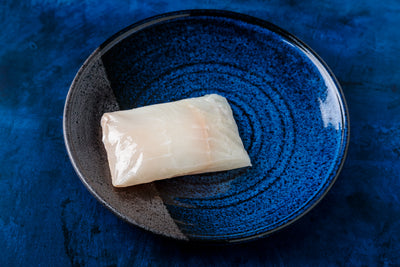
In the halibut vs. sea bass debate, it can be challenging to determine which of these delectable fish is “better.” Both lend themselves to versatile culinary uses and have unbeatable nutritional aspects.
However, you've found the right guide if you only have room for one fish in your pantry. Learn the differences and similarities between halibut and sea bass in our comprehensive guide.
What’s the Difference Between Halibut and Sea Bass?
Before we dive into the differences between halibut and sea bass in-depth, check out this quick overview.
| Attribute | Halibut | Sea Bass |
| Physical Appearance | Generally smaller with an elongated body and dark coloration | Larger with a flat, diamond-shaped body |
| Habitat | Temperate and tropical waters near coastlines | Deep waters and muddy ocean floors |
| Size | Generally smaller, ranging from 1 to 3 feet in length | Can weigh between 10 to 100 pounds or more |
| Lifespan | 15 - 20 years | 30 - 50 years |
| Taste | Mild, sweet, and delicate flavor | Mild, sweet flavor with a firmer texture |
| Nutrition | Ideal for muscle growth and repair | Ideal for heart health and brain function |
| Price | Cheaper because of availability | More expensive because of scarceness |
| Availability | Easier to catch and more frequent across different waters |
Found in colder, deeper waters and, therefore, harder to catch |
Physical Appearance
Sea bass and halibut are physically distinct. Sea basses typically range from medium to large sizes and have a streamlined, elongated body with a dorsal fin that runs the length of their back. They possess a dark coloration, often with shades of green, brown, or black on their upper side and a lighter, sometimes silver, underside. Sea bass also have a prominent mouth with sharp teeth.
On the other hand, halibut are considerably larger and have a distinctive flat and diamond-shaped body, which sets them apart. Their upper side tends to be brown to olive, helping them blend with the ocean floor, while their underside is usually white.
Size
While sea bass can grow sizably, halibut is considerably bigger. Sea bass typically measure 12 to 30 inches long, with some reaching up to 3 feet, depending on the specific species.
In contrast, halibut often exceeds 8 feet in length and weighs several hundred pounds. Some halibut can grow to astonishing lengths of over 10 feet.
This significant difference in size underscores the impressive growth potential of halibut compared to sea bass, making halibut a notable and sought-after species for anglers and fisheries.
Habitat
Sea bass often dwell in temperate and tropical waters near coastlines, rocky reefs, and underwater structures like shipwrecks. They thrive in shallow and moderately deep waters, usually 30 to 200 feet deep, and prefer areas with ample hiding spots. Their habitats often include seagrass beds and kelp forests, providing them a suitable environment for foraging and seeking prey.
In contrast, halibut dwells in colder, deeper waters of the northern Pacific and North Atlantic oceans, often dwelling on sandy or muddy bottoms. They exist at various depths, ranging from relatively shallow coastal areas to much deeper oceanic regions, sometimes reaching depths over 3,000 feet. Halibut are well-adapted to the benthic environment, utilizing the ocean floor for camouflaging and ambushing their prey.
Lifespan
Sea bass live notably shorter than halibut, with an average life span of 15 to 20 years. Some may reach around 30 years, but it's rare.
In contrast, halibut often live between 30 and 50 years, showcasing their slow growth and longevity.
Taste
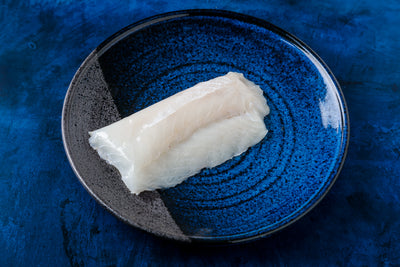
Sea bass has a mild, delicate taste and a slightly sweet flavor. The flesh is tender, moist, and flaky, making it versatile for culinary preparations. Its flavor is often described as clean and not overpowering, allowing for easy pairing with various seasonings and sauces.
If you’re looking for something with a stronger taste, sea bass is for you. However, it does maintain some mildness and sweetness. The texture is firm and meaty, providing a satisfying bite. Halibut effectively absorbs and enhances the flavors of accompanying ingredients, making it a prized choice in various gourmet dishes.
Nutrition
Both fish offer valuable health benefits. Sea bass is an excellent source of:
- Protein
- Healthy fats
- B vitamins
- Selenium
- Phosphorus
Consuming sea bass regularly and responsibly can aid in muscle growth and repair.
On the other hand, halibut is also rich in:
- Protein
- Omega-3 fatty acids
- Selenium
- Magnesium
- Phosphorus
- Potassium
It’s best to consume for heart health and brain function.
Price
Sea bass and halibut vary in price due to demand, availability, and production costs. Sea bass is generally more readily available and accessible in many markets, making it more affordable than halibut.
On the other hand, halibut is considered a premium seafood choice, often commanding a higher price due to its limited availability, slow growth rate, and high demand.
Related: Factors Affecting Halibut Price Per Pound
Availability
Habitats and fishing practices affect overall availability. Sea bass is generally more available and widespread in many regions, making it a commonly found seafood option. It can be sourced from both wild-caught and aquaculture (fish farming) methods, contributing to its consistent presence in the market.
Sea bass is abundant in temperate and tropical waters, whereas halibut availability is comparably limited.
Halibut is predominantly found in colder, deeper waters, which can make the catch more challenging. Additionally, strict regulations and sustainable fishing practices are in place to manage halibut populations, impacting its overall availability and making it a prized catch in the seafood market.
Halibut vs. Sea Bass: The Verdict
When it comes to halibut vs. sea bass, what you stock in your pantry ultimately comes down to your preferences. While sea bass is modestly sized, halibut is comparably larger and offers a firmer, meatier bite. However, despite its small size, sea bass packs a surprisingly nutritional punch and is ideal for home chefs looking for vitamin-enriched protein.
If you chose halibut, you’re in luck! Outerseas is your best source for wild-caught Alaskan halibut, packed with micronutrients and other essential vitamins and minerals.