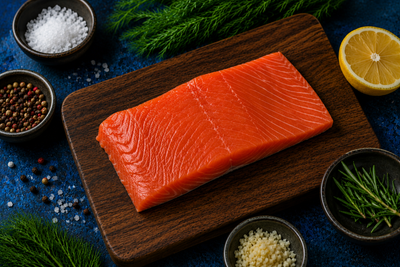
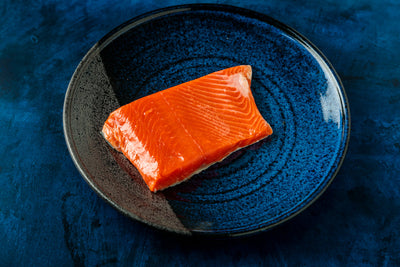
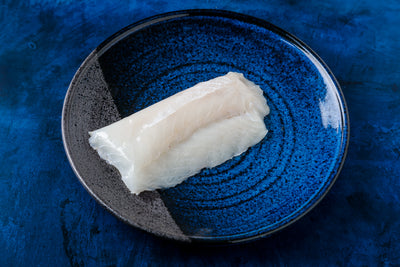
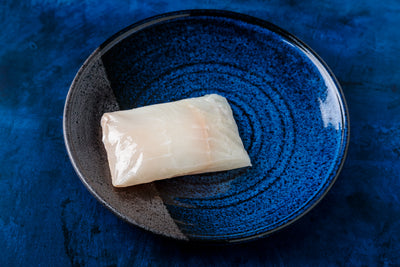
Whether purchasing seafood from a fishmonger or your local market, cleaning salmon before cooking is imperative to the final product’s quality. Cleaning your fish frees it from impurities, makes it a better vessel for seasoning and sauces, and ensures an even cook every time.
Learn how to clean salmon in this step-by-step guide.
Why it’s Important to Clean Salmon Before Cooking
It’s important to clean salmon before cooking as doing so can remove surface contaminants and bacteria. Pathogens may be present in fish, causing foodborne illnesses you can easily avoid through cleaning.
Washing your salmon also eliminates impurities like sand and dirt, creating a clean canvas for cooking. Clean fish makes a better vessel for seasoning and marinades and removes any foul odor. Learn more about how to get rid of fish smell in our guide.
Finally, removing excess moisture ensures even cooking, regardless of the method you choose.
How to Clean Salmon Before Cooking
Cleaning a salmon before cooking is an essential step to ensure you have a safe and delicious meal. Follow these steps to clean a salmon properly.
Tools you will need:
- A clean cutting boar
- A sharp knife (optional, for scaling and gutting
- A spoon (optional, for gutting
- Paper towels
Steps for cleaning a salmon before cooking:
Rinse the salmon
Before cleaning, rinse the salmon under cold running water to remove any surface impurities and excess slime. Pat it dry gently with paper towels. Rinsing is imperative, especially with frozen fish, as water helps remove the layers of ice.
Remove scales (optional)
If your salmon still has scales, you may want to remove them. Use the backside of a knife or a fish scaler to scrape against the grain of the scales, from tail to head. Rinse the fish again after scaling to remove any loose scales.
Gut the salmon (optional)
If your salmon is whole, you might need to gut it. To do this, make a shallow incision along the belly, from the anus to the base of the gills. Use your fingers or a spoon to remove the guts and any other internal organs. Rinse the cavity thoroughly under cold water to ensure it's clean.
Remove the gills (optional)
Gills are not usually eaten and can contribute to a fishy taste. To remove them, gently pull them out from the head-end of the fish. Always check for gill residue or debris in the cavity, removing any material with a spoon.
Trim and cut (optional)
Depending on your recipe, you may want to trim off the fins and tail or cut the salmon into fillets or steaks. When filleting your salmon, cut along the backbone and ribs, keeping your knife parallel to the table to remove as much meat as possible.
Debone (optional)
If you are preparing fillets and the salmon still contains bones, you can remove them using fish tweezers or pliers. Run your fingers along the fillet to feel for any bones, and then pull them out carefully.
When cutting your salmon into steaks, remove the ribs from individual steaks by sliding your knife between the flesh and rib membrane. Cut upward to remove the rib bone.
Store
After rinsing your salmon, wrap it tightly in plastic to minimize oxygen exposure. Always keep your salmon in the coldest part of the refrigerator (at least 32F) to keep it from spoiling.
When properly wrapped, fresh salmon should keep for about two days in the fridge.
Wash your hands and clean the workspace
After handling raw fish, it's essential to wash your hands thoroughly with soap and water. Also, clean all surfaces and utensils that came into contact with the fish to avoid cross-contamination.
Now your salmon is clean and ready to be cooked according to your chosen recipe. Remember to cook it to the proper internal temperature to ensure it's safe to eat (145°F or 63°C for salmon). Learn more about the proper temperature for cooking salmon in our guide.
Summary
Regardless of where you source your fish and what cooking method you prefer, learning how to clean a salmon properly ensures it’s free of harmful bacteria, pathogens, and dirt. Not only does cleaning salmon ensure the fish is safe, but it also makes for a visually appealing dish and prepares the salmon to absorb your desired flavors.
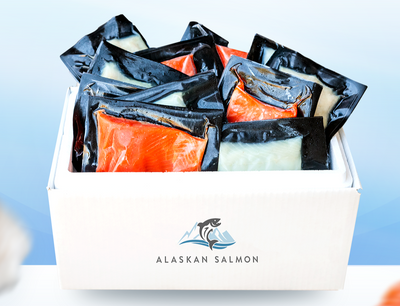
If you're after the finest salmon, our wild caught Alaskan sockeye salmon is an excellent choice. From Alaska's pristine waters, this premium fish combines rich flavor with outstanding nutrition!