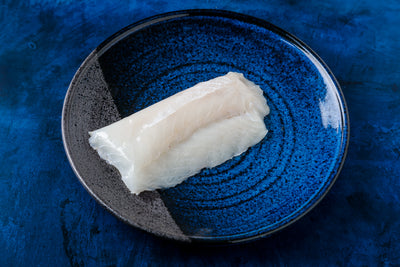
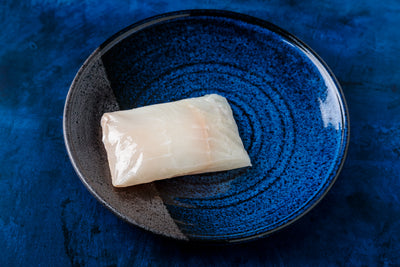
Halibut is nutritious and versatile with many health benefits. It’s rich in high-quality protein, as well as vitamins and minerals! One of the best ways to prepare and enjoy this mild-flavored fish is by grilling.
Grilling halibut boosts its natural flavors while keeping it tender and moist, so you can have a satisfying meal to enjoy at home or outdoors.
In this article, we'll explore how to make the most of halibut by grilling it to perfection. We'll start by discussing the tools you’ll need, and then we’ll cover the grilling process itself.
Related: 10 Best Fish to Grill According to Chefs
Equipment Needed for Grilling Halibut
Grilling halibut doesn’t require a lot of specialized equipment, but having the right tools can make the process smoother and get better results. Here’s a list of equipment you might need:
- Gas or Charcoal Grill. Both types of grills can be used for cooking halibut. A gas grill offers precise temperature control and ease of use, while a charcoal grill adds a smoky flavor to the fish.
- Grill Brush. Before you start grilling, use a grill brush to clean the grates thoroughly. This helps remove any leftover residue from previous uses.
- Grill Thermometer. An essential tool for checking the internal temperature of your halibut. This ensures the fish is cooked to the proper temperature—145°F (63°C)—without overcooking, which can make it dry.
- Tongs or Spatula. Use tongs or a spatula to gently turn the halibut on the grill. These tools help you handle the fish carefully to avoid breaking it apart and ensure an even sear on both sides.
- Basting Brush. Apply marinades, oils, or sauces to the halibut with a basting brush. This helps keep the fish moist and adds flavor throughout the grilling process.
- Oil or Non-Stick Spray. Lightly coat the grill grates with oil or non-stick spray before placing the halibut on them. This prevents the fish from sticking to the grates and makes flipping it easier.
Having these tools can help make grilling halibut a simple, straightforward process!
Related: The Best Way to Cook Halibut (I Tried and Tested in My Kitchen)
How to Season Halibut for Grilling
Since halibut has a subtle taste, you will want to choose seasonings that enhance rather than overwhelm. Here's an effective way to season your halibut:
- Brush both sides of the halibut fillets with a thin layer of olive oil. This helps prevent sticking and adds a subtle richness.
- Sprinkle a generous amount of salt over the fillets. Sea salt or kosher salt works well for a more even seasoning.
- Add freshly ground black pepper for a nice bit of heat that complements the fish's flavor.
- Add a squeeze of lemon juice or a sprinkle of lemon zest to brighten up the halibut and for a fresh, tangy flavor.
- Optionally, you can also add garlic powder for a subtle hint of garlic or paprika for a touch of smokiness and color.
Quick tip: To maintain the best texture, season the halibut just before placing it on the grill. Applying salt too early can draw out moisture and make the fish dry!
Related: 8 Best Halibut Sauces
How to Grill Halibut
Ready to grill some halibut? Here are the steps to get you started:
- Heat your grill to medium-high (about 375-400°F or 190-200°C). If using a gas grill, preheat it for about 10-15 minutes. For a charcoal grill, wait until the coals are covered with a thin layer of gray ash.
- Pat the halibut fillets dry with paper towels. This helps the seasoning adhere better and promotes a good sear.
- Brush both sides of the fillets with olive oil, then season.
- To prevent sticking, lightly oil the grill grates. You can do this by dipping a paper towel in vegetable oil, then using tongs to wipe the grates.
- Put the halibut fillets on the grill over direct heat.
- Close the grill lid to help maintain an even cooking temperature.
- Cook the halibut for about 4-5 minutes per side, depending on the thickness of the fillets. Halibut is done when it flakes easily with a fork and has an internal temperature of 130-135°F (54-57°C).
- Halibut can dry out quickly, so be sure to monitor it closely. If you’re unsure, use a meat thermometer to check for doneness.
- Be gentle when flipping the fillets. Use tongs or a wide spatula to avoid breaking them apart. If the fillets are sticking to the grill, they might need a bit more time to release naturally.
- Let the grilled halibut rest for a few minutes after removing it from the grill. This allows the juices to redistribute.
Related: What to Serve with Halibut: 10 Ideas You Should Try at Home
Frequently Asked Questions
These FAQs will guide you through the essentials of grilling halibut:
How do I prevent halibut from sticking to the grill?
Make sure the grill grates are well-oiled before cooking. Preheat the grill to a medium-high temperature, then brush both sides of the fillets with olive oil and season them. Place the fillets on the grill and let them sear undisturbed for a few minutes before attempting to flip them.
Can I grill halibut from frozen?
You can grill halibut from frozen, but it’s best to thaw it first for more even cooking. If you need to grill halibut from frozen, cook it over slightly lower heat to avoid burning the outside while ensuring the inside cooks through. Frozen fish will need a bit more time on the grill compared to thawed fillets.
Check for doneness by making sure the fish reaches an internal temperature of 130-135°F (54-57°C).
Related: How to Cook Frozen Fish - 4 Cooking Methods for Frozen Fish
Do you flip halibut when grilling?
You should flip halibut when grilling for even cooking on both sides. Grill the fillets skin-side down initially for a few minutes, then gently flip to cook the other side. Be careful not to flip too soon or too often to avoid breaking the delicate fish.
Summary
For optimal results when grilling halibut, remember these key steps to follow before and during the grilling process. While grilling takes practice, you’ll get the hang of it quickly!
Proper preparation, seasoning, and being mindful of the whole process will help you achieve a flavorful result.
Looking for the freshest, restaurant-quality seafood at home? Order our wild Alaskan halibut.