Iron helps your body make healthy red blood cells, which carry oxygen to your muscles, brain, and organs. When you don’t get enough iron, you might feel tired, weak, or out of breath. This is called iron deficiency.
Because iron is so important for energy and health, many people look closely at the foods they eat to make sure they’re getting enough.
If fish is a favorite on your plate, especially salmon, you might be curious about how it helps with iron intake. In this article, we’ll explore the iron content of salmon and the other nutrients it offers.
How Much Iron is in Salmon?
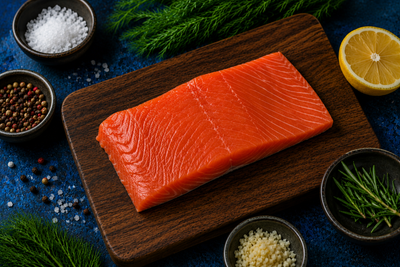
Salmon contains a small but helpful amount of iron. A typical 3-ounce serving of cooked salmon provides about 0.5–1 milligram of iron, according to standard nutrition data. While salmon isn’t as high in iron as red meat or fortified cereals, it still offers meaningful benefits.
The iron found in salmon is called heme iron, which comes from animal-based foods. Heme iron is important because it is easier for your body to absorb compared to non-heme iron found in plant foods. This means your body can use the iron in salmon more efficiently, even though the total amount is moderate.
When comparing types of salmon, wild and farmed salmon have similar iron levels, with small differences depending on the fish’s diet and environment. Canned salmon also contains iron and can be a convenient, budget-friendly option. If the canned salmon includes soft, edible bones, it may provide extra minerals that support nutrition.
To help your body get the most iron from salmon, try pairing it with vitamin C–rich foods. Vitamin C helps boost iron absorption. Simple pairings include salmon with lemon juice, bell peppers, tomatoes, broccoli, or a side of fruit like oranges or strawberries.
Beyond Iron: Other Nutrients in Salmon That Support Healthy Blood
In addition to iron, salmon offers a variety of nutrients. An important vitamin is B12, which plays a key role in red blood cell production. Without enough vitamin B12, the body can produce fewer or abnormally large red blood cells, which may lead to fatigue and weakness.
Salmon is also rich in high-quality protein, which your body needs for hemoglobin formation. Hemoglobin is the protein inside red blood cells that carries oxygen throughout the body.
Another nutrient in salmon that supports healthy blood is omega-3 fatty acids. While omega-3s don’t increase iron levels, they help support circulation and heart health, so that blood flows more efficiently through the body.
Salmon also contains smaller amounts of vitamin B6 and selenium, both of which play supporting roles in blood health. Vitamin B6 helps the body use protein and supports hemoglobin production, while selenium acts as an antioxidant that helps protect blood cells from damage.
Together, these nutrients highlight how salmon delivers strong nutrition — including blood-supporting benefits — without being high in calories.
Summary
Salmon may not be the highest source of iron, but it still plays a valuable role in a balanced, iron-conscious diet. It also provides key nutrients like vitamin B12, protein, omega-3 fatty acids, vitamin B6, and selenium that all support healthy blood and circulation.
It's easy to see why it’s a smart, nourishing choice, especially for fish lovers!
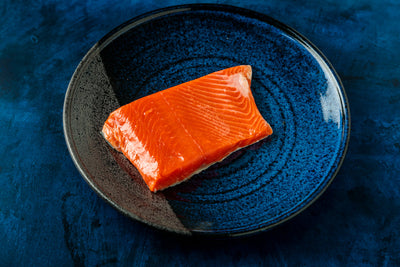
If you’re looking to enjoy these benefits at home, try our wild Alaskan king salmon or wild Alaskan sockeye salmon for a simple, nutrient-rich way to support overall health while enjoying a delicious meal.