The liver is a powerful organ that helps our body by breaking down nutrients, getting rid of toxins, and keeping us healthy overall. Think of it as a natural filter — it processes what we eat, drink, and any medications we take.
Because of this, what we eat has a big impact on our liver. Eating foods that are packed with good nutrients can keep the liver working well, while unhealthy choices can cause problems over time.
So, if you’re a salmon lover, you might wonder: can this popular, nutrient-packed fish actually support your liver health? Learn more in this article.
Is Salmon Good for Your Liver?
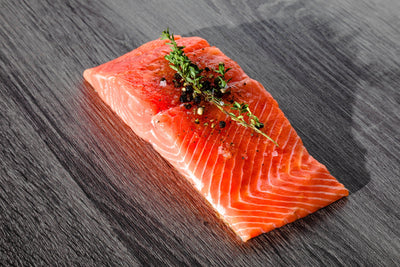
Salmon makes an excellent choice for those people who are looking to improve their liver health primarily because it’s rich in omega-3 fatty acids, antioxidants, and other essential nutrients.
Research shows that the omega-3 fatty acids found in salmon, particularly EPA and DHA, activate a gene called PPARα, which speeds up fat burning in the liver while reducing inflammation. They also reduce the liver’s fat production, which helps prevent fatty liver [*].
Salmon also contains antioxidants like astaxanthin, which combat oxidative stress that can contribute to liver damage [*(opens in a new window)]. Additionally, salmon is packed with selenium, which makes your liver less vulnerable to damage caused by harmful things like toxins, alcohol, or imbalances in the body [*, opens in a new tab].
Wild-Caught vs. Farmed Salmon for Liver Health
Wild-caught salmon is often considered the healthier option due to its higher levels of omega-3 fatty acids. Moreover, since they’re less exposed to pollutants and chemicals, they’re a safer choice.
In contrast, farmed salmon may contain higher levels of saturated fats and omega-6 fatty acids, which can promote inflammation if consumed in excess. Farmed salmon often feed on a diet that includes fishmeal and oils, which may lead to an increased concentration of unhealthy fats.
Related: Wild Caught vs. Farm Raised Salmon: What’s the Difference?
How Often Should I Eat Salmon for Liver Health?
The consensus among health experts is to aim for two to four servings of salmon per week. This frequency allows you to benefit from the omega-3 fatty acids, which support liver function [*(opens in a new window)]. A typical serving size is about 3.5 ounces (100 grams) of cooked salmon.
Try a salad with grilled or baked salmon, mixed greens, avocado, and a sprinkle of nuts or seeds for extra texture and nutrients. You could also roast salmon fillets with your favorite veggies (like asparagus or Brussels sprouts) all on one sheet pan, seasoned with lemon and herbs!
If you have specific diet concerns or health issues, it’s a good idea to talk to a healthcare professional to adjust your intake based on your needs.
Related: How Much Salmon Is Too Much?
Are There Any Risks of Eating Salmon for Liver Health?
One concern is contaminants, especially in farmed salmon. It may have higher levels of pollutants like heavy metals and PCBs (polychlorinated biphenyls), which can harm your health and liver function [*(opens in a new window)].
To reduce the risk, choose high-quality salmon from trusted sources.
Related: Is Salmon High in Mercury?
How to Incorporate Salmon into a Liver-Friendly Diet
To make the most of salmon’s liver-supportive benefits, here are some tips:
- Prepare salmon with light seasoning, such as lemon, herbs, or olive oil, instead of heavy sauces or marinades that may be high in sugar and unhealthy fats.
- Serve salmon with vegetables, whole grains, or legumes to enhance fiber intake, which supports liver health.
- Cooking methods like baking or grilling are healthier than frying. They reduce your intake of added fats and calories.
Summary
Salmon is a nutrient-dense food that can significantly benefit liver health, thanks to its rich supply of omega-3 fatty acids, antioxidants, and essential nutrients like selenium.
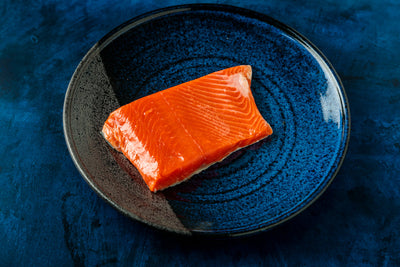
When it comes to liver-friendly choices, wild-caught varieties are an excellent option. Order our Wild Caught Alaskan Sockeye Salmon today to create delicious, health-boosting meals!