Ordering at a sushi restaurant can feel confusing. The menu is full of names like sushi, sashimi, and nigiri, and many people aren't sure what each one means.
Many times, the word “sushi” is also used the wrong way. Some people call every Japanese dish with fish “sushi,” even when it isn't.
Another common myth is that sushi always means raw fish. In reality, many sushi dishes don't contain raw fish at all. It's also easy to mistake sushi rolls for nigiri because both include rice, but they’re made differently.
Once you know a few simple facts, these popular Japanese dishes are easy to tell apart. I’ll explain the basics of each dish. That way, you can skip the guesswork and enjoy your meal without stress!
Sushi vs Sashimi vs Nigiri – The Simple Breakdown
The easiest way to understand them is to look at what each one is built around.
Sushi is the rice-based category, which means anything made with vinegared rice falls under it, including rolls and other styles.
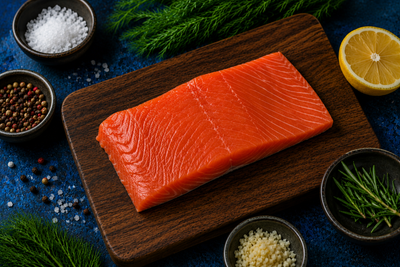
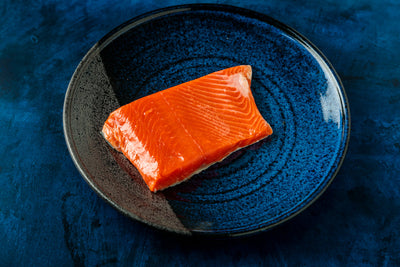
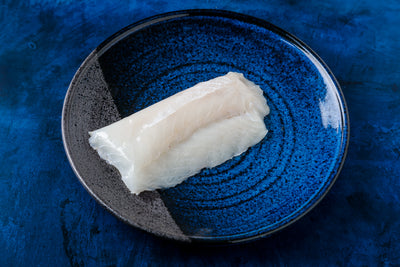
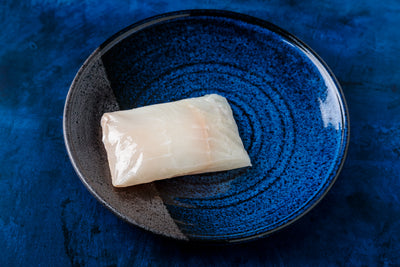
Sashimi is simply just fish with no rice, usually served in thin slices so you can taste the freshness of the fish on its own.
Nigiri is a mix of both, with a small ball of rice topped with a slice of fish.
We’ll go deeper into each one in the next sections, so you can easily tell them apart when you see them on a menu.
Sushi
Sushi does not mean raw fish, even though many people think it does. In the United States, this is a very common misunderstanding.
Sushi actually means vinegared rice, which is the base of the dish. This rice is lightly seasoned with vinegar, sugar, and salt, which gives it a slightly sweet and tangy flavor.
Different toppings are then added to the rice, such as fish, vegetables, eggs, or cooked ingredients, and they can be served in many different styles — like rolls or small bite-sized pieces.
Because of this, sushi can come in many forms, and not all of them include raw fish. In fact, some are completely cooked or even vegetarian.
You might have already tried different sushi types before without realizing it, such as California rolls, spicy tuna rolls, salmon rolls, rainbow rolls, or shrimp tempura rolls.
Sashimi
Sashimi is always confused with sushi, but it is actually much simpler. Sashimi refers to thinly sliced raw fish or seafood that is served on its own. It does not include rice, and there is usually no seaweed involved either.
It is all about the fresh taste and texture of the fish itself, and is served with soy sauce, wasabi, or pickled ginger on the side.
Because sashimi is just fish without any extras, the quality of the seafood is very important. It is usually made with very fresh cuts of fish that are carefully sliced to bring out the best flavor.
Some of the most common types of sashimi include salmon, tuna, and yellowtail, but there are many other seafood options as well, depending on the restaurant.
Nigiri
A small bite of rice topped with fresh fish might look simple, but it is one of the most popular items you’ll see on a sushi menu. Nigiri is a type of Japanese food made by shaping a small mound of vinegared rice by hand and placing a slice of fish or seafood on top.
Sometimes, a tiny bit of wasabi is added between the rice and the fish for extra flavor. Unlike sushi rolls, nigiri is not wrapped in seaweed or cut into pieces. It is served as a single, hand-pressed piece, which sets it apart from rolled sushi, which comes in slices.
With this simple style, you’ll be able to taste both the rice and the fish together in every bite.
Summary
Sushi, sashimi, and nigiri are easy to mix up at first, but they each have their own meaning. Sushi uses vinegared rice, sashimi is only fish, and nigiri is fish on rice. With these basics in mind, you can now spot the difference right away.
Remember: No matter which one you choose, always go for fresh, high-quality seafood so you can enjoy the best flavor and have a safe, satisfying meal!