

Seafood is known for being both healthy and delicious. Many people choose fish and shellfish because they are packed with protein, vitamins, and healthy fats. They can also be cooked in many tasty ways, which makes them a favorite at mealtime.
If you have diabetes, seafood can still be a smart choice. However, some types are healthier than others. The way seafood is cooked also matters. For example, choosing grilled fish instead of fried fish can make a big difference.
This article will help you learn which seafood is best for people with diabetes and which ones are better to limit.
The Best Seafood for People with Diabetes
The best seafood for people with diabetes shares a few important qualities. It is naturally low in carbohydrates, so it has little effect on blood sugar. It is also high in protein, which helps you stay full.
Some types are rich in omega-3 fatty acids, healthy fats that support heart health. Since diabetes increases the risk of heart disease, choosing seafood with these nutrients can be especially beneficial.
The seafood options below meet one or more of these qualities, so they’re a smart choice for many people with diabetes.
Salmon
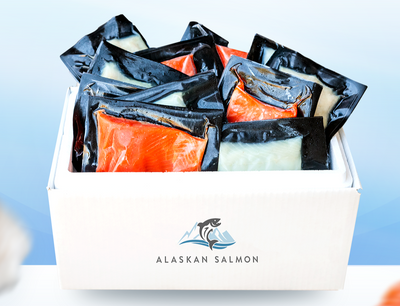
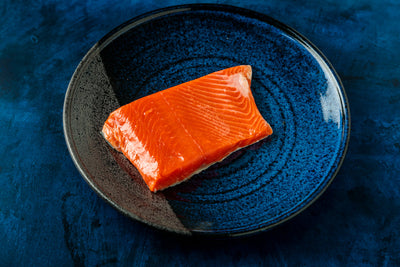
Salmon is one of the best seafood choices for people with diabetes because it is exceptionally rich in omega-3 fatty acids.
A 3-ounce (85-gram) serving of cooked Atlantic salmon provides about 1.5–1.8 grams of omega-3s (EPA and DHA).
These healthy fats support heart health by helping lower triglyceride levels, reduce inflammation, and slow the buildup of plaque in the arteries, which may lower the risk of heart disease.
Salmon is also an excellent source of high-quality protein and contains 0 grams of carbohydrates, which makes it a blood sugar-friendly choice.
Cod
Cod is a lean white fish that is naturally low in fat and carbohydrates. It is high in protein, which helps keep you full without causing blood sugar spikes. Cod also provides vitamin B12 and selenium, nutrients that support healthy nerves and the immune system.
Because it is low in calories and saturated fat, cod is a good choice for people with diabetes who are trying to maintain a healthy weight.
Tilapia
Tilapia is another lean fish that fits well into a diabetes-friendly eating plan. It is high in protein and contains no carbohydrates, so it can help keep you full while having little effect on blood sugar. Although tilapia has less omega-3 than fatty fish like salmon or trout, it is still a nutritious choice.
Trout
Trout is another excellent choice for people with diabetes because it provides heart-healthy omega-3 fatty acids along with high-quality protein. Since people with diabetes are more likely to develop cardiovascular disease, eating fatty fish like trout may help support long-term heart health.
Trout is naturally free of carbohydrates, so it does not directly raise blood sugar. Its mild flavor also makes it easy to include in meals with roasted vegetables, salads, or whole grains.
Sardines
Sardines are one of the most nutrient-dense seafood choices you can eat. They are rich in protein, omega-3 fatty acids, calcium, vitamin D, and vitamin B12.
Calcium and vitamin D help keep bones strong, which is especially important because people with diabetes may have a higher risk of fractures and bone problems. Vitamin D also plays a role in how the body uses insulin, although more research is still needed to fully understand this connection.
Because sardines are small fish, they are also lower in mercury than many larger fish.
Tuna
Tuna is a filling source of lean protein that can help satisfy hunger without adding carbohydrates to your meal. Including enough protein at meals may also help slow digestion when paired with carbohydrate-containing foods, which can support steadier blood sugar levels.
Fresh tuna contains beneficial omega-3 fatty acids, while canned tuna offers a convenient option for salads, sandwiches, or grain bowls. Choosing light canned tuna more often than albacore helps reduce mercury exposure.
Mackerel
Mackerel is another fatty fish that is rich in omega-3 fatty acids. It is also an excellent source of magnesium, selenium, and B vitamins such as niacin (vitamin B3) and vitamin B6.
Magnesium plays an important role in helping the body use insulin and regulate blood sugar, while selenium and B vitamins support healthy nerve function and energy production.
Choose Atlantic or Pacific mackerel whenever possible. King mackerel should be limited because it contains much higher levels of mercury.
Shrimp
Shrimp is a lean source of protein that contains almost no carbohydrates. It is also rich in iodine, selenium, and vitamin B12.
Iodine supports normal thyroid function, which helps regulate metabolism. Selenium acts as an antioxidant that helps protect cells from damage, while vitamin B12 supports healthy nerves.
This is especially important because people with diabetes have a higher risk of developing nerve damage over time.
You may have heard that shrimp is high in cholesterol. However, current research shows that for most people, the cholesterol in foods has much less effect on blood cholesterol than saturated and trans fats.
What matters more is how shrimp is prepared. Steamed, grilled, or boiled shrimp is a healthier choice than breaded or deep-fried shrimp.
Oysters
Oysters provide more than just protein. They are especially rich in zinc, a mineral that plays an important role in immune function and wound healing. This can be particularly beneficial for people with diabetes, who may take longer to heal from cuts or skin injuries.
Mussels
Mussels are an affordable shellfish that offer protein along with iron, vitamin B12, selenium, and omega-3 fatty acids. They are naturally low in carbohydrates and can fit well into balanced meals.
Their combination of protein and beneficial nutrients makes mussels a satisfying seafood choice that supports overall health without significantly affecting blood sugar.
Scallops
Scallops are a lean seafood option with a naturally sweet flavor. They provide high-quality protein and contain very little fat while remaining naturally free of carbohydrates.Because scallops cook quickly, they are an easy addition to healthy weeknight meals.
Seafoods to Limit or Avoid
Seafood can be a healthy part of a diabetes-friendly eating plan, but not every option is equally beneficial. In many cases, how seafood is prepared matters just as much as the type of seafood itself.
Deep-fried seafood
Deep-fried fish, shrimp, calamari, and other seafood are best limited. Frying adds extra calories and unhealthy fats, while breading adds refined carbohydrates that can raise blood sugar more than plain seafood.
Eating fried foods often may also increase the risk of weight gain and heart disease, two concerns that commonly affect people with diabetes. If you're craving crispy seafood, try baking or air-frying it with a light whole-grain coating instead.
Breaded and processed seafood
Fish sticks, breaded shrimp, frozen seafood meals, and similar products are convenient, but they are often made with refined flour, added sodium, and unhealthy fats. Some products also contain fillers that lower the amount of actual seafood.
These foods are not off-limits, but they should not be your main source of seafood. Read the nutrition label so that you can choose products with more protein, less sodium, and fewer added ingredients.
Seafood high in sodium
Smoked salmon, salted fish, pickled herring, dried fish, and some canned seafood can contain large amounts of sodium. Too much sodium can raise blood pressure, and many people with diabetes also have high blood pressure. Together, these conditions increase the risk of heart attack, stroke, and kidney disease.
If you choose canned seafood, look for varieties labeled “low sodium” or “no salt added.” Rinsing canned seafood can also remove some of the added sodium.
Seafood with creamy or sugary sauces
Seafood itself is usually low in carbohydrates, but the sauce served with it can quickly change its nutrition.
Creamy sauces often contain large amounts of saturated fat, while sweet glazes and sauces may be high in added sugars. Both can add extra calories without providing much nutritional value.
A better choice is to season seafood with herbs, garlic, lemon juice, black pepper, or a small amount of olive oil to add flavor without excess sugar or unhealthy fats.
Summary
Having diabetes does not mean you have to avoid seafood. In fact, many types of fish and shellfish are excellent choices because they are high in protein, low in carbohydrates, and rich in important nutrients.
Keep in mind that preparation matters. Fried seafood, breading, and high-sodium or sugary sauces can reduce many of seafood’s health benefits. Choosing simple cooking methods and eating a variety of seafood can help you get the most from every meal!