


Living with diabetes means paying close attention to the foods you eat. Some foods can cause blood sugar to rise quickly, while others help keep blood sugar within a normal range. That is why choosing the right protein is so important.
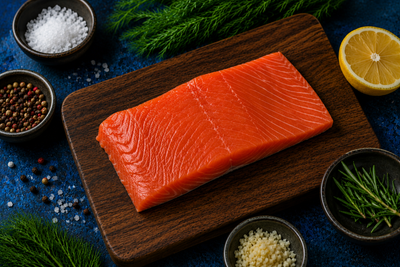
Salmon is one of the healthiest protein choices for people with diabetes. It is packed with omega-3 fats and important vitamins and minerals.
Whether you enjoy it grilled, baked, or added to salads, salmon is a nutritious food that fits well into your plan. Learn more about the nutrients in salmon and why it is a smart choice for people managing diabetes.
It won’t cause blood sugar spikes
Salmon is naturally carbohydrate-free, so it does not cause blood sugar spikes the way carbohydrate-rich foods like white bread, cereal, rice, and desserts can.
A plain serving of salmon contains 0 grams of carbohydrates, which gives it a glycemic index (GI) of 0 [*, opens in a new tab]. This means it has little to no direct effect on blood sugar levels.
When paired with fiber-rich vegetables or whole grains, salmon can be part of a balanced meal that helps support healthy blood sugar after eating.
High-quality protein keeps you full longer
Salmon is an excellent source of lean, high-quality protein, with about 22–25 grams of protein in a 100-gram serving. Protein takes longer to digest than carbohydrates, so you’ll feel full and satisfied after a meal.
When you stay full longer, it can be easier to make healthy food choices throughout the day. This may help you eat smaller portions and reduce the temptation to overeat or snack on foods that can cause blood sugar to rise quickly.
Omega-3 fats support heart health
People with diabetes are more likely to develop heart disease or have a stroke, which makes heart health an important part of diabetes care [*].
Salmon is rich in omega-3 fatty acids (EPA and DHA), healthy fats that support the heart in several ways. They can help reduce inflammation and support healthy circulation. These benefits may lower the risk of heart problems over time.
Research also shows that people with diabetes who consume more marine omega-3s tend to have lower triglyceride levels [*, opens in a new tab]. Triglycerides are a type of fat found in your blood, and when levels are too high, they can lead to the hardening of your arteries.
Salmon’s effect on insulin sensitivity
Insulin helps move sugar from your blood into your body’s cells for energy. When your body does not respond well to insulin, blood sugar levels can become harder to manage.
Researchers are still studying whether the omega-3 fats in salmon can improve insulin sensitivity. While studies have shown mixed results overall, some research suggests that people with metabolic conditions may benefit from omega-3s [*, opens in a new tab]. More research is needed to understand who benefits most and how much omega-3 is needed.
Even though salmon is not a treatment for diabetes, it is still a healthy protein choice.
Packed with nutrients that support overall health
Salmon is more than just a great source of protein. It is also packed with vitamins and minerals that are especially important for people with diabetes.
One of these is vitamin D, which supports bone health and helps your body use insulin properly. Salmon also provides vitamin B12, a nutrient that helps keep your nerves and red blood cells healthy. This is especially important because people with diabetes have a higher risk of nerve damage.
Salmon is also a good source of selenium, an antioxidant that helps protect your body's cells from oxidative stress-induced damage [*, opens in a new tab]. People with diabetes tend to have higher levels of oxidative stress, which can contribute to complications over time. Selenium also supports a healthy immune system and thyroid function.
Together, these nutrients work alongside salmon's high-quality protein and heart-healthy omega-3 fats to help you thrive.
Tips
Choose baked, grilled, broiled, roasted, or air-fried salmon instead of breaded or deep-fried salmon. These cooking methods let you enjoy salmon's nutrients without adding extra saturated fat or calories. Season it with herbs, garlic, lemon, or spices instead of heavy sauces or butter.
A healthy serving is about 3 to 4 ounces of cooked salmon (about the size of your palm). The American Heart Association recommends eating two servings of fish each week [*, opens in a new tab].
Canned and smoked salmon can also be nutritious, but check the Nutrition Facts label before buying. Some varieties are high in sodium, which may not be the best choice if you have high blood pressure or heart disease along with diabetes.
Look for low-sodium or no-salt-added options whenever possible, and drain or rinse canned salmon if appropriate to reduce sodium.
Salmon is a Simple Way to Eat Better with Diabetes
Eating well does not have to be complicated. Choosing nutrient-rich seafood for diabetes like salmon is an easy way to build healthier meals without sacrificing flavor.
Salmon provides high-quality protein, heart-healthy omega-3 fats, and important nutrients such as vitamin D, vitamin B12, and selenium. It also contains no carbohydrates.
Remember that no single food can manage diabetes on its own. The greatest benefits come from combining healthy foods with regular physical activity, taking medications as prescribed, and following your healthcare provider's recommendations.