You may have seen the term white fish at the market or on a menu, but what exactly does it refer to, and why does it matter?
White fish comes in many varieties, flavors, and cooking methods. Some are firm and meaty, others delicate and flaky, which makes them versatile ingredients for a wide range of dishes.
In this article, you’ll learn the most popular white fish options, the best ways to prepare them, and which varieties are easiest to find at your local market.
What is White Fish?
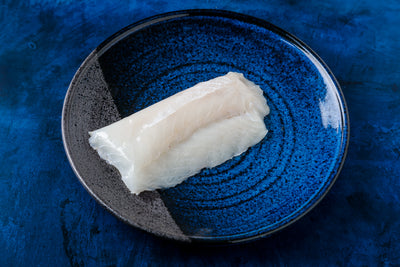
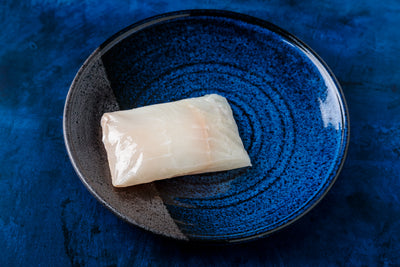
White fish is a category of fish known for its light-colored, mild-flavored flesh.
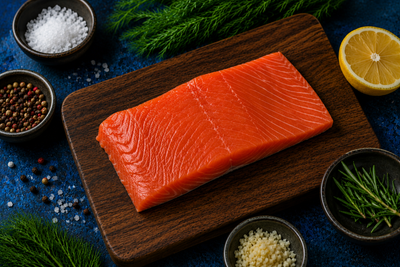
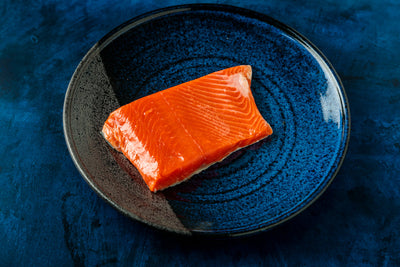
Unlike oily fish such as salmon, mackerel, or sardines, white fish contains very little fat, which gives it a more delicate texture and a subtle taste. This makes it incredibly versatile in the kitchen, as it can easily take on the flavors of seasonings, sauces, and marinades.
Common examples of white fish include cod, haddock, halibut, pollock, sole, flounder, tilapia, catfish, seabass, and grouper. These fish are widely available in grocery stores and fish markets.
All white fish is also highly nutritious. It’s an excellent source of high-quality protein, low in calories, and provides essential vitamins and minerals like vitamin B12, selenium, and iodine. Because of its low fat content, white fish is considered heart-healthy.
Types of White Fish
Let’s take a closer look at some of the most popular types. Below is a helpful white fish list with details on each fish’s nutritional benefits and tips for cooking them so they taste amazing.
Cod
Cod is a classic white fish that’s low in fat and high in protein, which helps support muscle growth and repair. It’s also rich in vitamin B12 and selenium. Cod’s mild flavor makes it perfect for baking or broiling.
Try coating cod with breadcrumbs and herbs for a crispy finish, or gently poach it in a light broth for a tender, flaky dish.
Related: 6 Best Ways to Cook Cod Fish
Halibut
Halibut is slightly firmer than cod and packed with protein, phosphorus, and magnesium. Its thick, meaty fillets make it ideal for grilling or pan-searing. A simple squeeze of lemon and drizzle of olive oil brings out its natural flavor without overpowering it.
Related: The Best Way to Cook Halibut (I Tried and Tested in My Kitchen)
Haddock
Haddock is another lean fish rich in protein and B vitamins. It’s especially popular for fish and chips because it holds up well when fried, but it also works beautifully baked with a garlic herb crust. Steaming is another healthy way to enjoy its delicate, flaky texture!
Pollock
Pollock’s white fish meat is budget-friendly, high in protein, and low in fat. It’s a favorite in frozen fish fillets and fish sticks. It’s also soft and mild, so it’s perfect for pan-frying with a light coating, baking with spices, or using in soups and chowders.
Rockfish
Rockfish offers a solid protein boost along with selenium and vitamin B6. Its flesh is tender and slightly sweet. Rockfish fillets roast beautifully in the oven with a touch of butter and herbs, or they can be grilled for a smoky, flavorful meal.
Sole
Sole is a delicate white fish with fine, tender flesh. It’s low in fat but still high in protein and B vitamins. Because it cooks quickly, it’s ideal for pan-frying in a light sauce or gently baking with a bit of lemon and parsley for a simple, elegant dish.
Flounder
Flounder is very similar to sole, with a mild flavor and thin, tender fillets. It’s a great source of protein and selenium. Flounder is best cooked quickly, either baked, sautéed, or lightly fried. Wrapping it in foil with some herbs and a splash of white wine locks in moisture and flavor.
Seabass
Seabass has a slightly firmer texture and a rich, buttery taste. It’s full of protein and provides heart-healthy omega-3s, though less than oily fish. Pan-searing or grilling seabass works well, and a fresh herb topping or citrus glaze can really elevate its flavor.
Tilapia
Tilapia is widely available, mild in taste, and low in fat. It’s a good source of protein, phosphorus, and selenium. Tilapia is versatile: you can bake it with spices, grill it on skewers, or lightly pan-fry it for a quick weeknight meal.
Catfish
Catfish has slightly more fat than other white fish, but it’s still lean compared to many meats. It’s packed with protein, vitamin B12, and phosphorus. Southern-style catfish is often fried, but it’s also great baked or grilled with a simple seasoning rub.
Grouper
Grouper is a meaty white fish rich in protein, potassium, and selenium. Its firm texture makes it excellent for grilling, baking, or pan-searing. A marinade of garlic, herbs, and olive oil enhances its natural flavor without masking it.
Summary
Fish with white meat is a versatile and healthy choice for any meal. From mild, flaky fillets like cod and flounder to firmer, meaty options like halibut and grouper, there’s a type of white fish to suit every taste and cooking style. They’re all packed with protein, low in fat, and full of nutrients that support a balanced diet.
Want to try a white fish with a richer, more indulgent flavor? Our wild-caught Alaskan black cod is naturally buttery, tender, and packed with healthy fats, making it a delicious upgrade for your next seafood meal.
FAQs
What is the healthiest white fish?
When it comes to health benefits, many white fish are excellent choices because they’re high in protein, low in fat, and packed with essential vitamins and minerals.
Some of the top picks include halibut, haddock, and black cod (sablefish). Halibut is rich in protein and magnesium, while black cod provides heart-healthy omega-3s.
Choosing fresh, wild-caught fish whenever possible can give you the best nutritional profile.
What’s the best way to cook white fish?
White fish is incredibly versatile in the kitchen, and the best cooking method often depends on the type of fish and the texture you want.
For delicate fish like sole, flounder, or tilapia, quick baking, steaming, or light pan-frying preserves their tender flesh. Firmer fish such as halibut, cod, and black cod handle grilling, roasting, or broiling really well.
What white fish are most available in markets?
At most grocery stores or fish markets, accessible white fish types to eat include cod, tilapia, haddock, catfish, and halibut. These are versatile and easy to cook for everyday meals.