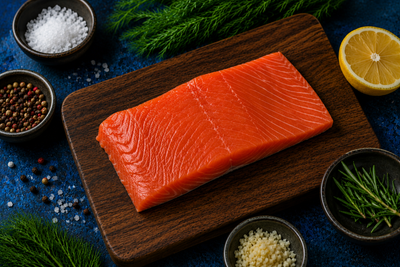
Salmon isn’t just famed for its delectably buttery taste. It’s also known for its signature pink color. However, not all salmon aficionados are aware of how it develops this notable sheen. Like in orange pumpkins and yellow daffodils, salmon get their pink color from specific carotenoids, either naturally or synthetically grown.
Still, no two salmon species have the same color. Learn more about how salmon develops its recognizable pink hue and what factors make its intensity vary.
Is Salmon Naturally Pink?
Salmon are not naturally pink when they are born. Instead, they hatch out of their eggs in a grayish color. However, as they grow and mature, their diet plays a crucial role in developing the pink color for which they are well-known.
In the wild, salmon acquire their pink color from their natural diet, consisting of various organisms such as shrimp, krill, and other small crustaceans. These organisms contain a pigment called astaxanthin, which travels to the muscle tissues, resulting in the characteristic pink hue.
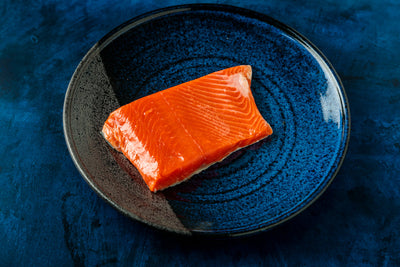
However, not all salmon species exhibit the same intensity of pink coloration. For example, sockeye salmon are known for their vibrant red flesh, while other species, like chinook or coho salmon, may have a lighter shade of pink. These colors vary according to diet and environment.
On the other hand, farmed salmon adhere to a carefully managed diet, enforced to ensure a vibrant pink color. This feed often contains additives or supplements like synthetic or naturally sourced astaxanthin, which can pose potential health risks.
How Pink is Salmon Supposed to Be?
Salmon’s “pinkness” varies depending on species, diet, and individual characteristics. Wild salmon, particularly certain species like sockeye (red) salmon, tend to have a deeper and more vibrant shade of pink. Their flesh ranges from a rich red to a reddish-orange color.
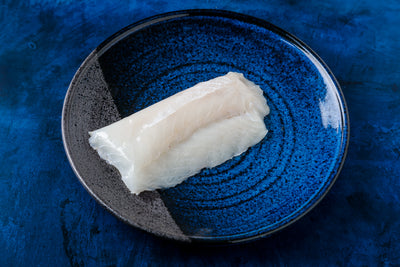
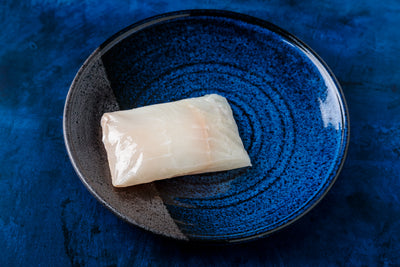
Other species of salmon, such as chinook (king) salmon or coho (silver) salmon, may have light pink coloration. Some chinook salmon are incapable of processing astaxanthin, keeping their flesh white. The coloration’s intensity depends on diet and environment.
Farmed salmon’s pink color is “adjustable” according to their chosen diet.
Contrary to popular belief, salmon’s “pinkness” doesn’t necessarily indicate the quality or freshness of the fish. So, why do farmers dye their salmon? Because consumers typically associate quality with color!
Still, color isn’t the best way to determine whether salmon is fresh. Our guide can help you tell if salmon is bad.
How Pink Should Salmon Be When Cooked?
When cooked, salmon should have an opaque pink or white color on the outside, with a slightly brighter pink color on the inside. A darker pink color on the outside indicates that your salmon may be undercooked.
Refer to our guide to learn how to tell if salmon is perfectly cooked.
Conclusion
Salmon’s pink color varies from species to species, ranging from a deep red to light pink. How intense a specific salmon’s coloration is will depend on its natural or controlled diet and environment.
If you're after the finest salmon, our wild sockeye salmon and wild king salmon are excellent choices. From Alaska's pristine waters, this premium fish combines rich flavor with outstanding nutrition!