Wondering if your salmon has gone bad? It happens to all of us. One minute you're excited about making a tasty salmon dinner, and the next, you're sniffing the fish suspiciously. Knowing when salmon has spoiled is important for your health. Salmon goes bad quicker than other meats, so spotting the warning signs early matters. This guide will show you exactly what to look for - from how it looks and smells to how it feels - so you can confidently decide whether to cook it or toss it.
How Can You Tell If Salmon is Bad?
The best way to tell if salmon is bad is to check the label for the expiration date. If the date has passed, discard it. If it’s still valid, look for warning signs. A strong fishy, sour, or ammonia-like smell means it has spoiled. A dull or gray color, dark spots, or a slimy texture are also signs that the salmon is no longer safe to eat.
What Does Bad Raw Salmon Look Like?
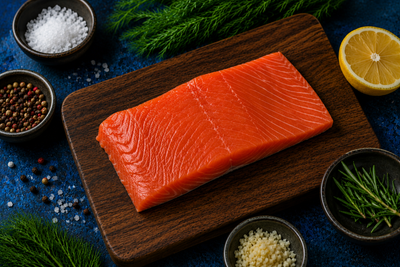
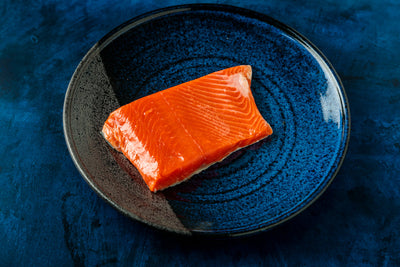
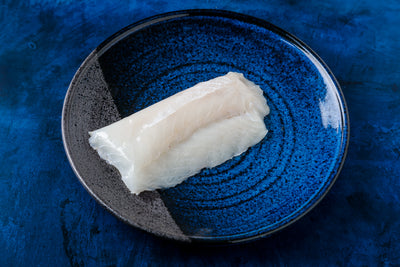
Fresh salmon should display a vibrant pink or orange color, but when it spoils, the flesh turns noticeably dull or grayish. Be alert for dark spots or discolored patches appearing on the salmon, as these indicate bacterial growth and decomposition. Another warning sign is the presence of a sticky white film coating the surface of the fish.
If you're inspecting a whole salmon, pay attention to two key areas: the eyes and gills. Fresh salmon features clear, bright eyes that appear shiny and full. The gills should be a rich red color. When salmon begins to spoil, these features deteriorate—the eyes become cloudy and may appear sunken into the head, while the gills fade from vibrant red to a brownish color.

What Does Bad Cooked Salmon Look Like?
When cooked salmon spoils, it transforms from moist and flaky to dry and chalky in appearance. Watch for a slimy film developing on the surface—a clear indicator of bacterial growth. Color changes are equally important warning signs: fresh cooked salmon should maintain its pinkish-orange hue, but spoiled salmon may develop a greenish tint or fade to a dull gray. The most obvious red flag is the presence of mold, which appears as fuzzy spots on the fish. If you notice any of these visual changes, discard the salmon immediately, regardless of when it was cooked.
What Does Bad Salmon Smell Like?
Spoiled salmon has a strong, unpleasant odor. If it smells sour, overly fishy, or has a chemical-like scent, it is no longer safe to eat. Fresh salmon should have a mild, clean aroma. If the smell is off or noticeably strong, it’s best to discard the fish, even if it appears visually fine.
What Should the Texture of Fresh Salmon Be?
Fresh salmon should feel firm and bounce back when gently pressed. The surface should be smooth and slightly moist—not sticky, slimy, or mushy. If the salmon breaks apart easily or has a slippery coating, it’s a sign that it may have gone bad. These changes in texture can mean bacteria has started to grow, making the salmon unsafe to eat—even if cooked.
How Long Does Salmon Last in the Fridge?
Fresh salmon lasts up to two days in the fridge when stored properly at 40°F (4°C) or below. To keep it fresh, place the salmon in an airtight container or sealed bag. This helps prevent it from drying out or picking up smells from other foods. If you don’t plan to cook it within two days, it’s best to move it to the freezer to extend its shelf life. Storing salmon the right way keeps it safe to eat and helps maintain its flavor and quality.
How Long Can You Freeze Salmon?
According to the USDA(opens in a new window), raw salmon can be frozen for up to three months for the best quality (USDA, 2024). It can remain safe to eat for up to six months if kept properly frozen, though the texture and flavor may start to decline over time. To protect it from freezer burn, wrap the salmon tightly in freezer paper or plastic wrap, or use a vacuum sealer. Keep your freezer at 0°F (-18°C) or lower to maintain the salmon’s safety and quality throughout storage.
Is It Safe to Eat Salmon That's Past Its "Best By" Date?
Salmon might still be safe to eat shortly after its “best by” date, as this date is meant to indicate peak freshness—not safety. However, it’s important to check for any signs of spoilage, like a strong smell, slimy texture, or discoloration. If anything seems off, it’s safer to throw it out.
Related: Can You Eat Raw Salmon?
Summary
The best way to check if salmon is spoiled is to use your senses. Always look at the expiration date first, but also check how the salmon looks, smells, and feels. Fresh salmon should be pink or orange, have a mild scent, and feel firm to the touch. If it smells strong or sour, looks gray or discolored, or feels slimy or mushy, it’s best not to eat it.