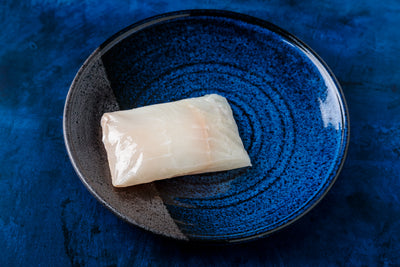
When shopping for dog kibble, it’s common to see ingredients like mackerel, hake, and flounder. However, you might wonder: can dogs eat halibut?
If dogs can eat salmon, it may be safe to assume halibut is good for dogs. However, as with any table food, you must take precautions. Learn all there is to know about feeding your dog halibut.
Can Dogs Eat Halibut?
Yes, dogs can eat halibut, but it should be plain, boneless, and thoroughly cooked. Avoid adding seasonings and sauces, portioning the fillets according to your dog’s weight. Keep a close eye on any signs of allergies or adverse reactions, and consult your veterinarian if you have concerns about your dog's diet.
Can Dogs Eat Raw Halibut?
It’s best to avoid feeding your dog raw halibut. Raw fish, including halibut, potentially contain parasites and harmful bacteria that can harm your dog's health. Cooking the halibut thoroughly is the safer option, as it helps to eliminate these health risks.
Can Dogs Eat Halibut Skin?
It's generally best to avoid feeding your dog halibut skin, as it can be difficult for them to digest. Ingesting skin can lead to gastrointestinal upset, including vomiting or diarrhea. Additionally, fish skin is more likely to contain harmful substances, such as parasites or toxins, than the flesh.
How Much Halibut Should I Feed My Dog?
The amount of halibut you should feed your dog depends on their size, age, and dietary needs. As a general guideline, you can offer a small portion of plain, cooked, boneless halibut as an occasional treat or supplement to their regular dog food. It's essential to keep the portion size small, typically no more than 1 to 2 ounces for a small dog and up to 4 ounces for a larger dog while monitoring your pet's response.
Consult your veterinarian to determine the most appropriate serving size to ensure it meets their dietary requirements.
Nutritional Benefits of Halibut for Dogs
Halibut can provide some nutritional benefits to dogs when included in their diet in moderation:
- Protein: Halibut is a good source of lean protein, essential for muscle development and overall health.
- Omega-3 Fatty Acids: It contains omega-3 fatty acids, which can support a dog's coat and skin health, reduce inflammation, and promote cardiovascular health.
- Vitamins and Minerals: Halibut contains essential vitamins and minerals like vitamin D, B12, magnesium, and selenium, contributing to your dog's well-being.
- Low in Saturated Fat: Halibut is relatively low in saturated fats, making it a healthier protein option than other meats.
Risks and Concerns of Feeding Halibut to Dogs
Feeding halibut to dogs can pose some risks and concerns that you should be aware of:
- Bones: Halibut can contain small bones that pose a choking hazard or cause injury to a dog's digestive tract. Always ensure that the halibut is boneless before feeding it to your dog.
- Allergies: Some dogs may be allergic to fish, including halibut. Watch for signs of allergies, such as itching, vomiting, diarrhea, or skin issues, if you introduce halibut into their diet.
- Mercury content: While halibut is generally a low-mercury fish, you must vary your dog's diet and not feed fish exclusively. High levels of mercury can be harmful to pets if consumed regularly.
It's crucial to prioritize your dog's safety and well-being when considering halibut or any other human food as a part of their diet.
Preparing Halibut for Dogs
Here's how to prepare halibut for your canine companion:
- Select fresh, boneless halibut: Choose fresh, boneless halibut to eliminate the risk of bones causing choking or injury to your dog's digestive tract. Frozen halibut is also acceptable, but ensure it's appropriately thawed.
- Cook thoroughly: Cook the halibut thoroughly to eliminate potential parasites or bacteria. You can boil, bake, or steam the fish. Avoid frying or using excessive seasonings and oils.
- Keep it plain: Do not season the halibut with garlic, onions, salt, or spices, as these can harm dogs. Keep it plain and simple.
- Cut into bite-sized pieces: After cooking, cut the halibut into small, manageable pieces suitable for your dog's size. This makes it easier for them to eat and reduces the risk of choking.
- Cool before serving: Allow the cooked halibut to cool to a safe eating temperature before serving it to your dog.
Summary
Now that we’ve answered the question, “Is halibut good for dogs?” you can prepare a delicious and nutritious meal for your four-legged friend.
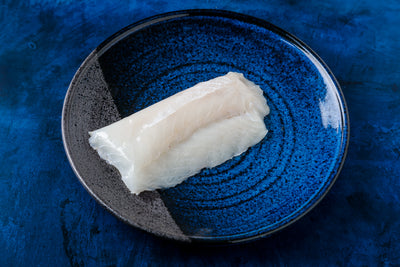
Our wild Alaskan halibut is pet-safe and, more importantly, perfect for human consumption. Each serving contains ample potassium, selenium, choline, and micronutrients that make for a well-rounded meal.