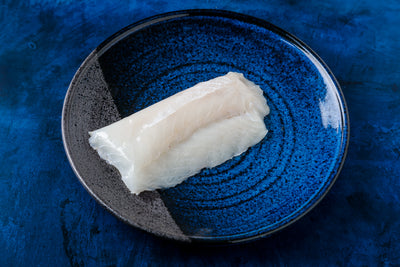
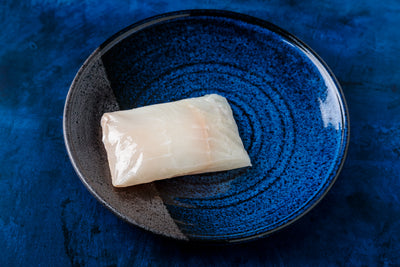
Coho and king salmon are two well-known Pacific salmon species. Both have firm, flavorful meat and are good sources of protein and omega-3 fats. Still, they are quite different once they reach your plate.
The main difference is flavor. King salmon is rich, buttery, and full-bodied, while coho salmon is milder, cleaner, and slightly sweet. The right choice comes down to the meal you have in mind, how you plan to cook the fish, and your budget.
After years of working around commercial fishing and handling salmon, I have learned that the best fish is not always the largest or most expensive one. A well-handled coho can make a wonderful family dinner, while a thick king salmon fillet can turn a simple meal into something special.
Learn more as I compare coho and king salmon.
Two Pacific Salmon, Two Different Eating Experiences
When I compare coho and king salmon, I notice two very different eating experiences. Both come from the Pacific and have firm, flavorful meat, but their taste, texture, and cooking results can vary.
King Salmon: The Culinary Prestige
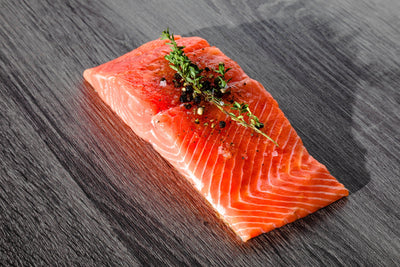
When I want a rich and buttery salmon, I look to king salmon. Its natural oils give it a soft texture and full flavor that can make a simple meal feel special. As someone with experience handling salmon, I also appreciate how well a good king fillet holds its moisture during cooking.
I remember preparing a thick king fillet after a long day on the water. I used only a little salt, pepper, and lemon, but the salmon stayed moist and flavorful as it cooked.
That meal reminded me why king salmon is often chosen for special occasions.
Coho Salmon: The Versatile Favorite
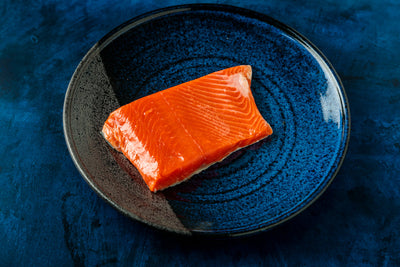
When I want a milder fish for everyday cooking, I reach for coho salmon. Its clean flavor and firm texture work well with different seasonings, sauces, and side dishes. I can keep it simple with herbs and a little oil. I also use it in family favorites like tacos, rice bowls, salads, and pasta.
Many home cooks enjoy coho for the same reason: it is easy to season without overpowering the rest of the meal. People who are new to eating salmon will likely find its mild taste approachable.
What’s the Difference Between Coho Salmon and King Salmon?
The biggest difference between these two salmon is their fat content. Fat influences the salmon's flavor, moisture, and texture. In salmon, natural oils spread through the meat, so each bite can feel different depending on the species.
King salmon usually has more fat than coho. That extra oil helps keep the meat moist as it cooks and gives it a smooth, almost creamy feel in the mouth. It also creates a deeper flavor, which is why king salmon tends to taste richer even when it is prepared with only a little seasoning.
Coho salmon has less fat, so its meat may feel firmer and lighter when you eat it. Its flavor can seem cleaner because there is less oil to create a rich, heavy taste.
This does not make coho dry or less enjoyable, but it does mean that careful cooking matters. A shorter cooking time, a little oil, or a light sauce can help protect its moisture.
The difference can also be seen in their nutrition. For a 3-ounce cooked serving, Alaska Seafood’s USDA-based information lists:
-
King salmon: About 200 calories, 11 grams of fat, and 22 grams of protein.
-
Coho salmon: About 120 calories, 4 grams of fat, and 20 grams of protein.
- Omega-3 fats: King salmon provides about 1,476 milligrams of DHA and EPA, while coho provides about 900 milligrams.
These numbers can change based on the fish’s size, diet, habitat, and cooking method, so it is best to use them as general guides.
How Coho and King Salmon Compare When Cooking
The way salmon is cooked can make a noticeable difference in the final dish. I consider the thickness of the fillet, the cooking temperature, and how much heat the fish is getting.
Salmon can go from tender to dry fairly quickly. A little extra attention can help keep the meat tender instead of letting it dry out.
Grilling coho and king salmon
King salmon is a natural fit for the grill. Its higher fat content helps keep the meat moist while the outside develops a nice browned surface. I usually start the fish skin-side down and give it time to cook without moving it around too much.
Coho can also handle the grill, but I watch the cooking time more closely. I like brushing it with a little oil or using a light glaze before cooking. If the flames are strong, a cedar plank or foil can help shield the fillet. Once the center is opaque and flakes easily, I take it off the grill.
Related: How to Grill Salmon Perfectly Every Time – My 5 Secrets for Grilling Salmon
Baking coho and king salmon
Baking is a simple way to cook either type of salmon. I can season the fillets, place them on a lined baking sheet, and let the oven handle most of the work.
King salmon can be delicious with simple ingredients such as lemon and herbs, while coho pairs well with sauces that add extra moisture.
I pay more attention to the thickness of the fillet than the type of salmon when deciding when it is done. A thin coho fillet may finish before a thick king salmon portion. At around 400°F, many salmon fillets take about 10 to 15 minutes, but the actual cooking time depends on the size and thickness of the fish.
Related: How Long to Bake Salmon at 400 (Perfect Results Every Time)
Pan-searing coho and king salmon
Pan-searing is a good choice when I want crisp skin and a browned outside. I pat the salmon dry first, heat the pan, and place the fish skin-side down. A gentle press at the beginning can help keep the skin flat against the hot surface.
King salmon usually releases plenty of natural oil as it cooks, while coho may benefit from a little added oil or butter. I keep the heat steady and avoid flipping the fish more than necessary.
Most fillets take about 3 to 4 minutes per side, although thicker pieces may need more time. Once the salmon is cooked through, I let it rest briefly before serving.
Related: My Secret to a Perfectly Pan Seared Salmon

Which Salmon is Better, Coho or King?
Coho and king salmon each have their own strengths, so your choice may depend on the meal you are planning.
King salmon has a richer, buttery flavor and more natural fat, so choose it when you want the salmon to be the main feature of the meal. Even a thick king fillet needs very little seasoning to make an impression.
Since coho salmon has a milder flavor and firmer texture, it can be a more versatile choice for everyday meals. You can season it with herbs and spices, pair it with a flavorful sauce, or add it to tacos, rice bowls, salads, and pasta. Its lighter taste also allows other ingredients to stand out.
Price can also be part of the decision. King salmon is often the more expensive option, while coho can give you a flavorful salmon meal at a lower cost. That does not mean one is automatically better. At the end of the day, both are quality salmon options.
Both Coho and King Salmon are Great Choices
Coho and king salmon are not competitors as much as they are different kinds of eating experiences. King salmon brings a rich, buttery flavor that makes a meal feel special, while coho offers a lighter, flexible option that fits easily into everyday cooking.
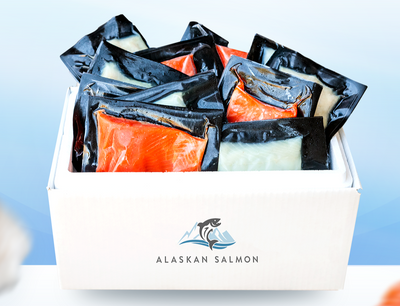
If you want to taste the difference for yourself, shop our wild Alaskan coho salmon and wild Alaskan king salmon. Each fillet is sushi grade and handled with exceptional care, so you can enjoy fresh, high-quality salmon for a simple family dinner or a memorable meal!