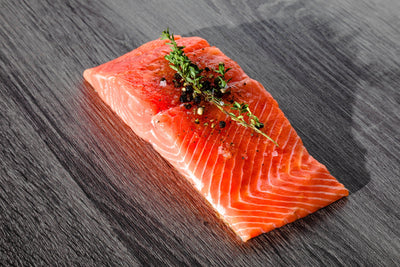
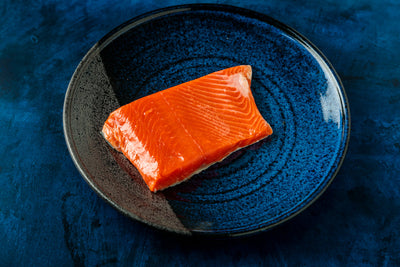
Note: Eating raw or undercooked salmon and other seafood can increase the risk of foodborne illness. The risk may be higher for pregnant people, young children, older adults, and people with certain health conditions. Cooking salmon to an internal temperature of 145°F can reduce the risk of harmful germs.
Raw salmon is popular in many dishes around the world. It is often served as sushi, sashimi, poke, and other meals where the fish is not fully cooked. Because raw salmon is eaten without the heat that normally kills many harmful germs and parasites, many people have questions about whether it is safe.
The answer can depend on where the salmon came from, how it was handled, and how it was prepared. Questions about supermarket salmon, farmed salmon, smoked salmon, and even salmon sold at large stores can make the topic confusing.
In this article, we’ll look at the main safety concerns surrounding raw salmon and answer common questions about eating it.
Can You Eat Salmon Raw and Is it Safe?
Yes, raw salmon can be eaten when it has been properly handled and prepared for raw consumption. However, if you want to eat salmon as safely as possible, fully cooking it is the safer choice.
The FDA recommends cooking fish to an internal temperature of 145°F (63°C) [*]. At this temperature, the heat can kill many harmful germs and parasites that may be present in the fish.
The biggest concerns with raw salmon are parasites, bacteria, and improper handling. Raw fish can carry parasites or harmful bacteria that may cause food poisoning. Some parasites can live in fish and may cause illness if a person eats infected fish without proper treatment. Bacteria can also multiply when seafood is kept at unsafe temperatures or handled incorrectly.
Proper freezing, storage, and handling can reduce some of these risks, but they cannot make raw salmon completely risk-free. Some salmon intended for raw dishes may undergo freezing methods designed to control parasites, but this does not remove every possible food safety concern.
Keeping salmon cold and following safe food-handling practices are also important. Cross-contamination is another concern, as bacteria from raw fish can spread to hands, knives, cutting boards, or other foods. This is why raw salmon should be kept separate from foods that are ready to eat.
How Common is Food Poisoning from Raw Salmon?
There is no simple number that tells us how often people get food poisoning from raw salmon. Foodborne illness can happen for many reasons, and cases are not always traced back to a specific food. This makes it difficult to know exactly how many illnesses come from raw salmon.
What we do know is that raw fish has a higher food-safety risk than cooked fish. Raw salmon can contain parasites or harmful bacteria, and those hazards are not always visible. A piece of salmon can look fresh, smell normal, and still contain something that could make you sick.
Food poisoning can cause symptoms such as nausea, vomiting, diarrhea, stomach cramps, and fever. Some illnesses can be mild, while others can become serious.
Can You Eat Salmon Raw from the Supermarket?
You should not assume that salmon from a regular supermarket is safe to eat raw. Most fresh salmon sold in grocery stores is intended to be cooked, unless the packaging or seller specifically says it is intended for raw consumption.
If you are considering eating salmon raw, check the package and ask the seafood counter about how the fish was handled and whether it is intended to be eaten raw. Keep it cold on the way home and refrigerate it promptly.
FDA guidance also notes that if you choose to eat raw fish, previously frozen fish is a better choice because freezing can kill parasites that may be present. However, freezing does not kill all harmful germs, so it does not make raw salmon completely safe.
The safest option is still to cook the salmon thoroughly. If you are unsure whether a piece of supermarket salmon was prepared for raw eating, cooking it is the better choice.
Can You Eat Costco Salmon Raw?
Buying salmon from Costco does not automatically make it safe to eat raw. Costco sells different types of salmon, and the safety of a particular package depends on the product, how it was processed, how it was stored, and what the label says.
A common mistake is to think that a large store or a trusted brand guarantees that salmon can be eaten raw. It does not. Unless the package or seafood department specifically indicates that the salmon is suitable for raw consumption, it is best to treat it as fish that should be cooked.
If you plan to eat salmon raw, ask about the product before buying it. You can also check whether it has been previously frozen. Freezing can reduce the risk from certain parasites, but it does not remove every food-safety concern.
Can You Eat Smoked Salmon Raw?
Smoked salmon can be confusing because it looks ready to eat. Many types of smoked salmon are cured and smoked rather than fully cooked, so they should not automatically be treated like cooked salmon.
For most healthy adults, commercially prepared refrigerated smoked salmon is a ready-to-eat food. However, it can still carry food-safety risks, including Listeria monocytogenes. This bacteria can grow even at refrigerator temperatures, which is one reason smoked seafood needs careful storage.
There is also a difference between cold-smoked and hot-smoked salmon. Cold-smoking does not cook the fish in the same way that heat cooking does. Hot-smoked salmon is exposed to more heat and has a cooked texture, but the exact process can vary by product.
If you are pregnant, older, or have a weakened immune system, the advice is stricter. The FDA recommends avoiding refrigerated smoked seafood unless it is used in a cooked dish, such as a casserole. Shelf-stable or canned smoked seafood is treated differently.
Related: Why Some Smoked Salmon is Raw — and Some Isn’t
Can You Eat Raw Salmon While Pregnant?
It is best to avoid raw or undercooked salmon during pregnancy. The FDA advises pregnant people not to eat raw or undercooked finfish because raw fish is more likely to contain parasites or bacteria than cooked fish.
Pregnancy changes the immune system, which can make it harder for the body to fight certain foodborne infections. Some infections can also cause serious problems for an unborn baby. Listeria monocytogenes, for example, can cause severe complications during pregnancy even when the pregnant person has mild symptoms or does not feel very sick.
That does not mean pregnant people need to avoid salmon altogether. Fish can provide important nutrients during pregnancy. The key is to choose properly cooked fish instead of raw or undercooked salmon.
Related: Can You Eat Salmon While Pregnant?
What is the Safest Salmon to Eat Raw?
If raw salmon is what you are looking for, previously frozen salmon is generally a safer choice than salmon that has never been frozen.
Freezing the fish under proper conditions can kill parasites that may be present. But it does not eliminate all harmful bacteria or other food safety hazards, so there is always some risk when salmon is eaten raw.
The way the salmon is stored and prepared matters, too. Keep it cold, thaw it safely in the refrigerator, and avoid placing raw salmon near foods that are ready to eat. Washing your hands and using clean knives, cutting boards, plates, and other kitchen surfaces can help keep bacteria from spreading.
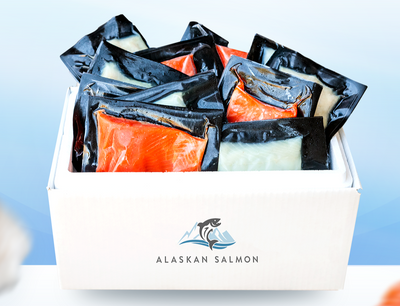
At Outerseas, we freeze our salmon soon after harvest to help maintain its quality and reduce the risk of parasites. This also helps preserve the fish during storage and transportation.
Keep in mind that freezing helps address certain risks, but it cannot remove every hazard associated with eating raw salmon.
Can You Eat Farmed Salmon Raw?
Farmed salmon can be eaten raw in some settings, but being farmed does not automatically mean that the fish is safe to eat without cooking. Farmed and wild salmon can both have food-safety risks, and the way the fish is handled after harvest matters greatly.
One difference is that some farmed salmon may have a lower risk of certain parasites than wild salmon because of how farmed fish are raised and fed. However, that does not mean farmed salmon is free from bacteria or other hazards. It still needs to be handled, stored, and prepared properly.
If you want to eat farmed salmon raw, look for a product that is specifically intended for raw consumption rather than assuming that any farmed salmon will be suitable.
Related: Wild vs Farmed Salmon: Is Farm Raised Salmon Really That Worse Than Wild Caught Salmon?
Who Shouldn’t Eat Raw Salmon?
Some people are more likely to become seriously ill from foodborne infections. This includes pregnant people, young children, older adults, and people with weakened immune systems. The FDA advises people in these groups to avoid raw or undercooked fish and seafood.
Pregnant people should skip raw salmon because some foodborne infections can cause serious problems during pregnancy. Young children are also more vulnerable to complications from foodborne illness. Older adults and people with weakened immune systems may have a harder time fighting infections and are more likely to develop serious illness.
Certain medical conditions can also increase the risk of complications from foodborne infections. If you have a health condition that affects your immune system or makes infections more serious, talk with your healthcare provider before eating raw seafood.
Raw salmon can be enjoyed in certain dishes when it has been handled and prepared properly. Still, freezing and careful storage only reduce some risks, while thorough cooking provides greater protection from harmful germs and parasites. Keep these risks in mind when deciding how you want to prepare your salmon.