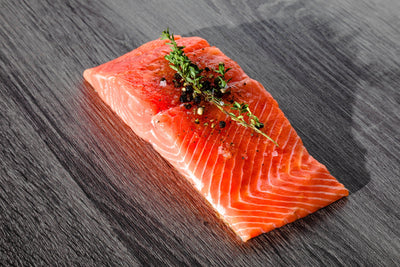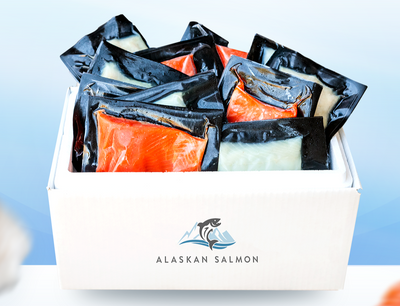
Pink salmon and sockeye salmon are two popular types of salmon recognized around the world, and both have earned a place in kitchens for their distinct qualities. They are enjoyed in many ways and provide protein, healthy fats, vitamins, and minerals.
Even though pink and sockeye salmon come from the same broad family, they can taste and cook quite differently. If you enjoy fish and learning about nutrition as I do, knowing these differences can help you choose the best one for your next meal.
Two Popular Salmon with Distinct Flavors & Qualities
Pink and sockeye salmon are both Pacific salmon, but you can tell them apart before you even cook them. Each one has its own color, size, and unique qualities for cooking.
Pink Salmon
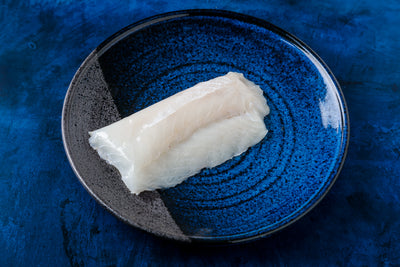
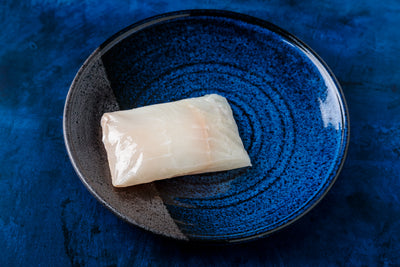
Pink salmon is the smallest Pacific salmon, usually weighing 3–5 pounds and measuring about 20–25 inches long. It has pale flesh, a mild taste, and works well fresh, frozen, smoked, or canned.
Because its flavor is light, it fits easily into many everyday dishes. It’s also a lean source of protein and omega-3s, and a budget-friendly pick for family meals.
Sockeye Salmon
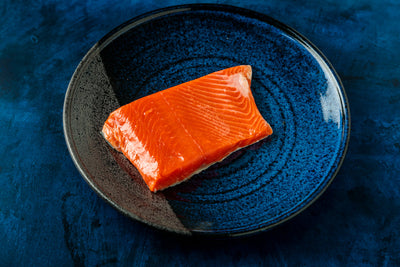
Sockeye salmon is known for its deep red-orange flesh and firm texture. It has a stronger salmon flavor and is often enjoyed as a fillet where its natural taste can stand out. Its rich color and distinct qualities make it easy to tell apart from pink salmon.
Sockeye typically weighs 5–8 pounds and measures around 24 inches long, and it’s a nutrient-dense choice packed with protein, omega-3s, and vitamin B12.
Where salmon comes from can also affect its characteristics, so it’s helpful to understand the difference between wild and farmed salmon.

Pink Salmon vs Sockeye Salmon: Flavor & Experience
Both pink salmon and sockeye salmon have the familiar flavor of salmon, but their intensity, texture, and richness can make them feel quite different on the plate. These qualities can also affect which seasonings and dishes work best with each one.
Pink salmon has a mild, delicate flavor
Pink salmon has a milder and less intense salmon taste than sockeye. Its flavor is delicate rather than rich, with a lighter mouthfeel. It’s especially appealing to those who prefer seafood with a more subtle taste.
Because its flavor is not as strong, pink salmon can easily take on the flavors of the ingredients around it. Marinades, citrus, herbs, garlic, spices, and flavorful sauces can easily complement the fish. There’s no clash of strong flavors.
Its mild taste can also be a good option for people who enjoy seafood but prefer a less pronounced “fishy” flavor. If you are introducing someone to salmon for the first time, pink salmon may feel more approachable.
The texture is another part of the experience. Pink salmon is generally softer, more tender, and more delicate, with a lighter bite than the firm, substantial texture of sockeye.
When cooked, it can flake easily with a fork. Thanks to these qualities, I like using pink salmon for salmon cakes, salads, sandwiches, pasta, and grain bowls.
Sockeye salmon has a richer, more distinct flavor
Sockeye salmon has a deep, rich wild salmon flavor that is much more pronounced than the milder taste of pink salmon. The flavor is savory and full-bodied, with a natural richness that lingers on your palate after each bite.
Its higher natural oil content adds to that richness, so it doesn’t need a heavy sauce. The firm flesh also gives you a hearty bite.
Sockeye salmon is especially well suited to simple preparations. I like it grilled with a little salt and pepper, baked with lemon and herbs, or pan-seared with a light brushing of oil.
These options let you enjoy the salmon's natural richness instead of covering it with heavy sauces or too many seasonings.
Pink Salmon vs Sockeye Salmon: Nutrition
If you are simply looking for a nutrient-rich fish, either can be a good choice. However, if you have specific nutrition goals, it is worth looking a little closer at how they differ, especially when it comes to their fat content. Here’s what you should know about their nutrition:
Both pink and sockeye salmon are excellent protein sources
Both pink and sockeye salmon are rich in protein. Per 100 grams, pink salmon provides about 21 grams of protein, while sockeye salmon provides about 23 grams.
Protein can also make a meal more filling, helping you feel satisfied after eating. For active people, both pink and sockeye salmon can fit well into meals before or after exercise.
After a workout, their protein provides the building blocks your body needs to repair and maintain muscle. Before exercise, pair either one with carbohydrates for energy.
Related: How Much Protein is in Salmon?
Fat and omega-3 content
Sockeye salmon generally has more natural fat than pink salmon, which contributes to its richer flavor and higher omega-3 content.
Per 100 grams of cooked fish, sockeye provides about 5.9 grams of fat and 859 mg of omega-3s (EPA and DHA). Pink salmon is leaner, providing about 4.7 grams of fat and 617 mg of omega-3s per 100 grams.
Both types still provide omega-3 fatty acids, so pink salmon can be a good choice if you prefer a leaner fish. Sockeye's higher natural fat content gives it a richer eating experience, while pink salmon offers a lighter option with a good amount of omega-3s.
Related: Top 9 Fish High in Omega-3 Fatty Acids
Vitamins & minerals
One thing that impresses me about both pink and sockeye salmon is that they offer much more than protein and omega-3s. They also provide important vitamins and minerals, including vitamin B12, vitamin D, selenium, and phosphorus.
There are some differences between the two, but they are not huge across every nutrient. Sockeye tends to provide more vitamin D and B12, while pink salmon still offers a good amount of these nutrients. Both are also good sources of selenium, which helps protect cells and supports the thyroid.
Related: 8 Reasons to Add Salmon to Your Diet (Salmon Health Benefits)
Pink Salmon vs Sockeye Salmon: Cooking Methods
It can be easy to treat pink and sockeye salmon the same way, but the cooking method can make a big difference in how the finished fish tastes and feels. Choosing a method that works with each salmon's natural qualities.
Best cooking methods for pink salmon
Because pink salmon has a milder flavor and more delicate texture, it works well with cooking methods and ingredients that add moisture and flavor. Baking, poaching, steaming, and pan-searing are all good options.
Baking is one of my go-to methods because it is simple and gives you plenty of room to add flavor. A little oil, lemon juice, garlic, herbs, or your favorite seasoning can bring more character to the mild fish.
Poaching is another good choice when you want soft, moist salmon. Cook the fish gently in seasoned water, broth, or another flavorful liquid. This works especially well when you plan to flake the salmon into salads, sandwiches, or pasta.
Pan-searing can give pink salmon a lightly browned outside while keeping the inside tender. Since the fish is delicate, avoid cooking it for too long or at excessively high heat, which can leave it dry.
Best cooking methods for sockeye salmon
Sockeye salmon has a firmer texture and richer natural flavor, so I prefer cooking methods that let those qualities stand out. Grilling, baking, broiling, and pan-searing are especially good choices.
Grilling gives sockeye a lightly charred surface that pairs well with its rich salmon flavor. You can keep the seasoning simple with salt, pepper, lemon, and a little oil.
Pan-searing is another favorite because the direct heat creates a flavorful browned surface while the firm flesh holds together well.
Baking is useful when you want an easy hands-off meal. Lemon, fresh herbs, garlic, or a light glaze can add flavor without competing with the salmon.
Broiling can also work well when you want more browning on top. Keep a close eye on the fish because sockeye can become dry if it is cooked too long.
For both types, remember: do not rely on the cooking method alone. Pay attention to the thickness of the fillet and avoid overcooking the fish.
Which is Better, Pink or Sockeye Salmon?
So, which salmon should you choose? There is no single answer because it really comes down to what you want from your meal. Here’s how to decide.
Choose pink salmon if…
Pink salmon may be the better fit when you want a lighter-tasting fish that can work with different ingredients. Its mild flavor makes it easy to build meals around.
It is also worth considering when you want a leaner salmon option that still gives you protein and omega-3 fatty acids. If you are cooking for people with different tastes, pink salmon can be an easy choice because its flavor does not dominate the rest of the meal.
Choose sockeye salmon if…
Sockeye is a great choice when you want the salmon itself to bring plenty of flavor to the plate. Its deep color, firm texture, and naturally rich taste make it enjoyable as the main part of a meal rather than something that needs to be mixed with several other ingredients.
A hot grill or pan, a little seasoning, and a squeeze of lemon can be enough. Its naturally higher fat content also gives you more richness along with slightly more omega-3s per serving.
Pink Salmon and Sockeye Salmon are Both Great Choices
Pink salmon and sockeye salmon may be closely related, but they offer two very different experiences. Pink salmon gives you a lighter, milder bite, while sockeye delivers a bold salmon flavor, firm texture, and natural richness.
Both are nutritious sources of protein, omega-3 fatty acids, vitamins, and minerals, so you can feel good about choosing either one.
If you want to experience that rich, wild salmon flavor for yourself, shop wild sockeye salmon for your next meal!