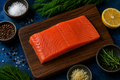
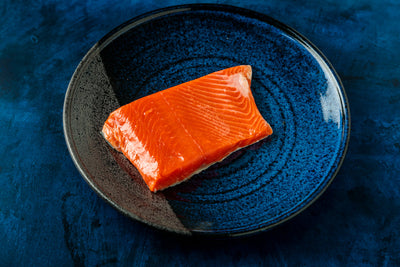
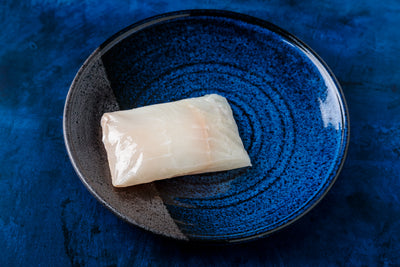
I love coho salmon, but I have learned that it needs a little more care in the kitchen. After cooking and comparing different types of salmon, I’ve noticed that coho is leaner and can dry out more easily when it is overcooked. It does not have as much fat to help keep the flesh moist, so a few extra minutes on the heat can make a noticeable difference.
That does not mean coho is difficult to cook. In fact, when cooked the right way, it can be tender, flaky, and full of flavor. I’ve found that the cooking method, heat, and timing all matter when trying to keep it from drying out.
In this article, I’ll share the cooking methods I use and what I’ve learned from comparing different ways to prepare coho. We’ll look at baking, poaching, pan-searing, broiling, grilling, and air-frying.
Cooking Coho Salmon in the Oven (Most Foolproof Method)

If my main goal is to keep coho salmon moist, oven baking is usually the method I reach for first. Oven gives me the most control. I can use a steady temperature, add a little fat or moisture, and avoid the intense direct heat that can dry out lean coho quickly.
I call it the most foolproof method because there is less to manage while the salmon cooks. You do not have to stand over a hot pan or worry as much about the fish sticking to the grill. Plus, you can add simple ingredients that help keep the salmon flavorful and moist.
Here are a few techniques that have made the biggest difference for me:
- Do not overcook it: This is the biggest one. Coho is lean, so start checking it a few minutes before the expected cooking time. For a fillet around 1 inch thick, start checking at about 10–12 minutes at 400°F (200°C). The fish should be opaque and flake easily, with an internal temperature of about 125–130°F (52–54°C) for a moist, tender texture.
- Add a little fat: Brushing the salmon with about 1–2 teaspoons of olive oil or adding 1–2 small pats of butter before baking can give it extra richness and help prevent it from drying out.
- Try covering it: If dryness is a concern, loosely cover the salmon with foil while it bakes. This helps trap moisture and creates a gentler cooking environment. Remove the foil during the last 2–3 minutes if you want the surface to brown slightly.
- Use the thickness of the fillet as your guide: A thin piece of salmon will cook much faster than a thick center-cut piece, so I do not rely on cooking time alone.
- Let it rest briefly: Once the salmon comes out of the oven, let it rest for about 3–5 minutes before serving. This gives the juices a little time to settle while the fish finishes cooking gently from the residual heat.
Related: How Long to Bake Salmon at 400 (Perfect Results Every Time)
Poaching Coho Salmon

When I want coho salmon to be especially soft, I use poaching. Unlike baking or grilling, the salmon is surrounded by liquid as it cooks. That makes it a good choice for this lean fish.
The key is to keep the liquid gentle. I do not let it boil hard. A few small bubbles are enough. Too much heat can make the salmon tough, even though it is cooking in liquid.
I also like using the poaching liquid as a way to build flavor. Instead of plain water, try a light broth with lemon slices, garlic, dill, parsley, or a splash of white wine.
A few things I keep in mind:
- Start with cold or room-temperature liquid: This gives the salmon time to warm up gradually rather than being hit with very high heat.
- Keep the salmon mostly covered by the liquid: This helps it cook more evenly.
- Do not walk away for too long: Poaching is gentle, but coho can still become dry if it stays in the hot liquid after it is done.
- Use the leftover liquid: You can strain it and use a little over rice, potatoes, or vegetables served with the salmon.
If moisture is my top priority, this is one of the first methods I consider.
Related: How I Make Perfect Poached Salmon at Home
Pan-Searing Coho Salmon (For Crispy Skin)

If you want crisp skin on the outside and tender, juicy salmon on the inside, pan-searing is the method to reach for. It gives you that satisfying contrast, but with coho, getting the texture right means paying close attention to both preparation and cooking time.
These are the steps that make the biggest difference when pan-searing coho:
- Pat the skin very dry: Before the salmon goes anywhere near the pan, remove as much surface moisture as possible. Dry skin crisps more easily, which means you can get the texture you want without having to leave the salmon in the pan longer than necessary.
- Start skin-side down and leave it alone: Place the salmon in a lightly oiled, properly heated pan with the skin-side down. Avoid moving it around while the skin cooks. Good contact with the pan helps the skin brown and crisp efficiently, so you can focus on cooking the center just enough rather than keeping the fish in the pan for extra time.
- Press the fillet down briefly: Gently press the salmon with a spatula for the first 30–60 seconds to keep the skin flat against the pan. Once it has made good contact, let it cook undisturbed. There is no need to keep pressing it, which can squeeze out moisture from the flesh.
- Watch the center, not just the crust: The skin may look beautifully crisp before the thickest part of the salmon is fully cooked. Check the center as you approach the end of cooking, especially with thicker fillets. Remove the salmon from the heat as soon as it reaches your preferred doneness.
Related: My Secret to a Perfectly Pan Seared Salmon
Broiling Coho Salmon (For Tender Texture)

When time is short, broiling gets dinner on the table quickly with very little equipment. Because the heat comes from above, it can brown the surface of the salmon nicely while the center cooks through.
The challenge with coho is keeping that strong heat from drying out the flesh. The broiler is not very forgiving, so this is a method that requires some attention.
Rather than putting the salmon under the broiler and walking away, stay nearby and watch how quickly the surface is cooking.
A few techniques that help:
- Keep the salmon farther from the heating element if needed: If your broiler runs especially hot, moving the salmon farther away gives the center more time to cook before the surface becomes too dark.
- Use a thin glaze: A heavy layer can burn quickly under intense heat. A thin coating is enough to add flavor without creating a burnt surface before the fish is done.
- Check the surface frequently: Broiling can go from lightly browned to overdone very quickly. Start checking after a few minutes, especially if the fillet is thin.
- Do not chase too much color: Coho is lean, so leaving it under the broiler longer just to get a darker top can dry out the center. Once the surface is nicely browned and the thickest part is cooked to your preferred doneness, take it out.
- Finish with lemon or fresh herbs: Add these after cooking for brightness and freshness without exposing the salmon to more heat.
Broiling works best when speed and a lightly browned surface are the priority. Just keep in mind that the intense heat leaves less room for error, particularly with lean coho.
Related: How Long to Broil Salmon
Grilling Coho Salmon (For Smoky Flavor)

On weekends, grilling coho salmon is one of my favorite ways to make a simple meal feel a little more special. But I have also learned that coho needs a little more attention on the grill because its lean flesh can dry out quickly.
I like to keep the heat around medium and lightly brush the salmon with oil before it goes on the grill. If I am using skin-on fillets, I place them skin-side down first. The skin helps protect the flesh from the direct heat and also gives me a chance to get it nicely crisp.
I also try not to keep flipping the salmon. Once it has good grill marks and releases fairly easily from the grates, I turn it once and let it finish cooking.
Here are other things I recommend:
- Keep the grill around 375°F to 400°F: Medium to medium-high heat gives the coho enough time to cook through without scorching the outside. Very high heat can brown the surface before the center is ready.
- Add sweet glazes near the end: Maple, honey, and other sugary sauces can burn over direct heat. I usually brush them on during the last few minutes so they have time to caramelize without turning bitter.
- Have your sides ready first: Coho can cook quickly, especially thinner fillets. I like to have the vegetables, rice, or other sides ready before the salmon goes on the grill so the fish does not sit on the heat while I finish the rest of dinner.
- Use the fish's thickness as your guide: A thick fillet may need more time than a thin one, so I do not rely on the clock alone. Check the thickest part and aim for an internal temperature of about 145°F for fully cooked salmon.
- Let it rest briefly before serving: Give the salmon a few minutes off the grill before serving. This lets the juices a chance to settle while avoiding a long rest that could allow the fish to keep cooking and dry out.
Related: How to Grill Salmon Perfectly Every Time – My 5 Secrets for Grilling Salmon
Air-Frying Coho Salmon (For Quick Weeknight Meals)

With air-frying coho salmon, there is little cleanup, the cooking is quick, and you can get a nicely browned surface.
The part I am careful about is the small cooking window. Air fryers move hot air around the food, so a fillet can cook faster than you expect.
For that reason, I would recommend keeping the seasoning simple and add a thin coating of oil before cooking. A little oil helps the surface brown and gives the lean salmon some added richness.
Also, avoid judging doneness only by the outside. The surface can look beautifully browned while the inside is already close to being overcooked.
Here are a few tricks I find helpful:
- Start checking early: Especially if the fillet is thin.
- Do not overcrowd the basket: Air needs to circulate around the salmon.
- Use a liner only if it still allows good airflow: You want the hot air to reach the fish.
- Add fresh toppings after cooking: Lemon juice, herbs, or a quick sauce can add moisture and freshness without extending the cooking time.
Remember your air fryer may cook differently from someone else’s. Once you find the timing that works for your particular machine and the thickness of your coho, write it down.
For me, that last point is worth remembering. Once you find the sweet spot for your air fryer, you no longer have to guess every time.
Related: How Long to Cook Salmon in an Air Fryer at 400
Best Seasoning and Sauces for Coho Salmon
Coho salmon has a mild flavor, so there is no need to pile on strong seasonings. Simple flavors can bring out the fish while sauces and toppings add the richness that lean coho sometimes needs.
Some combinations that work especially well include:
- Lemon, garlic, and dill: Bright and fresh without overpowering the salmon.
- Miso and ginger: Savory with a little sweetness, especially good for an Asian-inspired meal.
- Brown butter and capers: Rich, nutty, and salty. This is a great match for lean salmon.
- Chimichurri: Fresh herbs, garlic, olive oil, and a little acidity add plenty of flavor after cooking.
- Avocado and lime: Creamy avocado adds a soft texture and helps balance a simply cooked fillet.
- Tomato and olive relish: Juicy tomatoes and salty olives bring moisture and a nice contrast to the fish.
- Maple and mustard: A little sweetness from maple with the sharpness of mustard makes a simple glaze more interesting.
With coho, sauces can do more than add flavor. They can also add richness and moisture to the finished dish. A spoonful of herb sauce, avocado, or a light drizzle of olive oil can make the fish feel more succulent.
What to Serve with Coho Salmon
Instead of pairing the salmon with several dry foods, think about adding something creamy, juicy, crisp, or saucy. Try these combinations:
- Creamy mashed potatoes + green beans
- Herbed rice + roasted vegetables
- Crispy potatoes + cucumber salad
- Quinoa + avocado salad
- Corn + tomato salad + crusty bread
- Roasted asparagus + lemony couscous
- Sweet potato + fresh slaw
For a meal that feels a little more special, think about contrast when building the plate. Smoky grilled coho, crispy potatoes, a juicy tomato-cucumber salad, and a cool herb sauce give you a mix of textures and flavors while keeping the salmon at the center.
If the fish turns out a little firmer than planned, do not worry. A moist side or sauce can still bring the dish together. Try avocado, salsa, a creamy dressing, or a drizzle of olive oil!
Ready to Cook Your Coho Salmon?
After trying coho alongside other types of salmon, I have learned not to treat every salmon fillet the same way. Coho is leaner, which means it can go from perfectly flaky to dry if it spends too long over the heat.
As for the best method, that comes down to what you want from your meal. Baking is my go-to, which is why it comes first on my list. But that does not mean the other methods should be overlooked.
Most importantly, enjoy the process and do not be afraid to experiment! If you are ready to try coho for yourself, you can order our wild coho salmon and put these cooking methods to the test.