Fish is one of those foods that can make a healthy meal feel simple. It gives you protein and other nutrients without needing a long list of ingredients or a complicated recipe. But with so many kinds of fish available, though, you may wonder which ones are worth trying.
That is where coho salmon comes in. It has a mild flavor, a tender texture, and a good mix of nutrients that can support your health.
If you enjoy salmon or are looking for more ways to add nutrient-rich fish to your meals, this could be your sign to give coho salmon a try. In this article, we’ll look at the health benefits of coho salmon and the healthiest ways to cook it.
What is Coho Salmon, and Where Does It Come From?
Coho salmon is a species of Pacific salmon also known as silver salmon. Its scientific name is Oncorhynchus kisutch. Like other Pacific salmon, coho are born in freshwater, spend much of their adult lives in the ocean, and return to freshwater to spawn.
Wild coho salmon are found along the Pacific coast of North America, from Alaska and western Canada to parts of California. They are also found in parts of the Asian Pacific coast. Alaska is a major source of wild coho, where the fish return to rivers and streams each year as part of their natural life cycle.
You may see coho sold as wild-caught or farmed. Wild coho live in their natural environment, while farmed coho are raised in controlled settings.
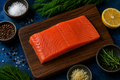
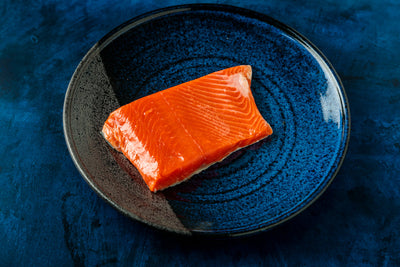
Both have a mild salmon flavor, but wild coho is usually leaner and has a slightly firmer texture and more distinct taste. Farmed coho tends to have a softer texture and a richer flavor because of its higher fat content. The meat is usually orange to reddish-orange.
Because of its mild taste, coho works well with simple seasonings and different cooking methods. It can be baked, grilled, broiled, or pan-seared.
Coho Salmon Nutrition
Coho salmon packs a lot of nutrition into a small serving. Three ounces of cooked wild coho salmon provide about 120 calories and 20 grams of protein, along with healthy fats and several important vitamins and minerals.
Here’s what you’ll find in a serving:
- Calories: 120
- Protein: 20 g
- Total fat: 4 g
- Saturated fat: 1 g
- Omega-3s (EPA + DHA): 900 mg
- Vitamin B12: 4.3 mcg
- Selenium: 32 mcg
- Vitamin D: 9.6 mcg
- Sodium: 50 mg
Note that the exact nutrition can vary based on whether the fish is wild or farmed, where it was raised, and how it is prepared.
7 Health Benefits of Eating Coho Salmon
Coho salmon is the kind of food that can work in many different eating routines. Below, we’ll explore seven health benefits of eating coho salmon and how they may fit into a healthy lifestyle.
1. Provides high-quality protein
Protein is one of the body’s building blocks. Your body uses the amino acids in protein to build and repair muscles, skin, and other tissues. Coho salmon stands out as a convenient source of high-quality, complete protein, since it provides all nine essential amino acids your body needs from food.
You can enjoy coho after a workout, add it to a hearty dinner after a long day, or use leftovers in another meal when you want a satisfying source of protein.
2. Supports heart health
Coho salmon provides EPA and DHA, two types of omega-3 fatty acids found in seafood. These fats are one reason health experts often recommend including fish in a healthy eating pattern.
The American Heart Association recommends eating fish at least twice a week, particularly fish that are higher in omega-3 fats.
This does not mean eating coho alone will protect your heart. Instead, think of it as one food that can take the place of foods higher in saturated fat. Try baked coho with roasted vegetables instead of a meal centered around fatty or processed meats.
3. Provides vitamin B12 for nerve and blood health
Coho salmon is a good source of vitamin B12, a nutrient we need to make red blood cells, support normal nerve function, and produce DNA. B12 also helps your body convert food into energy, so it’s an important nutrient for supporting physical activity.
For men, getting enough B12 supports healthy blood and nerve function as part of a balanced diet. For women, B12 is also important for healthy red blood cell production, with adequate intake becoming especially important during pregnancy.
4. Helps support strong bones
Coho salmon provides vitamin D, which helps your body absorb calcium and plays an important role in bone health. Getting enough vitamin D matters because your bones need more than calcium alone to stay strong.
A serving of coho can add vitamin D to your diet while also providing protein and other nutrients. Try serving salmon with foods that provide calcium, such as yogurt-based sauces or leafy green vegetables, for a meal that brings together several bone-supporting nutrients.
5. Provides selenium for normal body function
Coho salmon is also a good source of selenium, a mineral your body needs in small amounts. Selenium helps support your body’s antioxidant defenses, which help protect cells from damage, while also supporting normal thyroid and immune system function.
You do not need large amounts of selenium to benefit from it. Enjoy coho salmon alongside other selenium-rich foods, such as eggs, seafood, and nuts, or rotate these foods throughout the week to add variety to your diet.
6. Supports brain health
The omega-3 fats EPA and DHA found in coho salmon are important parts of cell membranes, including those in the brain. DHA is especially important during childhood because the brain and nervous system continue to develop as children grow.
This makes coho salmon a useful food for growing kids. Including fish as part of a balanced diet can help children get DHA along with protein, vitamin B12, vitamin D, and selenium. Teens can also benefit from these nutrients as their bodies continue to grow and develop.
Try serving coho with familiar foods such as rice, potatoes, or vegetables to make it an easy family meal.
7. Packs plenty of nutrition into a small serving
If you want more nutrition from each serving, coho salmon packs a nutritional punch. It may be leaner than some other types of salmon, but a 3-ounce serving still provides protein, omega-3 fats, vitamin B12, selenium, and vitamin D without a large number of calories.
You can also make the most of those nutrients by choosing a preparation method that keeps the fish simple. The right approach can help preserve its natural flavor and quality fats without adding unnecessary ingredients. We’ll take a closer look at your best cooking options in the next section.
What is the Healthiest Way to Cook Coho Salmon?
If you want to keep coho salmon nutritious, moist, and flavorful, baking is one of the best choices. It uses little added fat and gives you good control over the cooking temperature, which matters because coho is leaner than some other salmon varieties and can become dry when overcooked.
Baking also lets the natural flavor and tender texture of the fish stand out without needing heavy sauces or breading.
For a simple meal, place a coho fillet on a baking sheet, season it with a little salt, pepper, lemon, garlic, or herbs, and cook until the center reaches a safe temperature. A small amount of avocado or olive oil can help keep the surface moist while adding flavor.
Grilling and pan-searing are also good options if you want more color and flavor on the outside. If you want something even simpler, broiling, steaming, or poaching can work well. Steaming and poaching are especially gentle methods that can help keep coho moist, while broiling gives you a lightly browned top.
Whichever method you choose, the biggest tip is simple: do not overcook it. Cooked salmon should flake easily and remain moist in the center.
Shop Our Wild Caught Coho Salmon
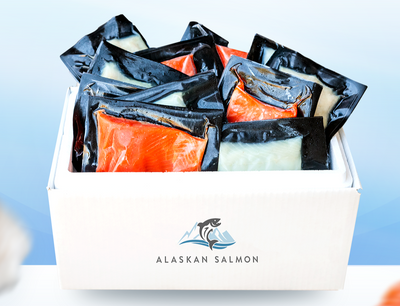
Ready to try coho salmon for yourself? Our wild Alaskan coho salmon fillets bring the mild flavor and tender texture of Alaska’s wild-caught salmon straight to your kitchen.
Whether you are shopping for yourself, a couple, or the whole family, you can choose the pack that fits your needs. Our 12-pack is a convenient option for individuals and couples, while the 24-pack gives families more fillets to keep on hand for easy, nutritious meals.
FAQs
How often should you eat coho salmon?
For most adults, a good goal is to eat fish 2 to 3 times a week, with at least 8 ounces of seafood each week as part of a balanced diet.
Coho can be one of the fish you include in that rotation, but you do not need to eat it every time. Mixing coho with other seafood gives you a wider range of nutrients and keeps your meals interesting.
Related: How Much Salmon is Too Much? Recommended Salmon Intake By Experts
Is coho salmon high in mercury?
No. Coho salmon is considered a low-mercury fish. The FDA and EPA list salmon as a “Best Choice,” meaning it can be eaten 2 to 3 times a week as part of their seafood guidance. This makes it a good option for families and people who want to enjoy seafood while keeping mercury exposure low.
Like most fish, coho contains small amounts of mercury, but much less than larger, longer-living fish. Choosing salmon is a simple way to enjoy the benefits of seafood without choosing a fish that tends to accumulate higher mercury levels.
Is coho salmon farmed or wild?
Coho salmon can be either wild-caught or farmed. Wild coho live in the Pacific Ocean and return to freshwater to spawn, while farmed coho are raised in controlled environments.
The two may differ slightly in flavor, texture, and fat content because of their different diets and growing conditions. If you specifically want wild coho, look for “wild-caught” or “wild Alaska” on the label.