When you work with seafood, you quickly learn that “wild-caught” and “farmed” do not tell the whole story.
I’ve spent years working with seafood and seeing how fish can differ based on where they come from, how they are caught or raised, and how they are handled after harvest. These details can affect everything from flavor and texture to nutrition and sustainability. Both can be healthy choices, but they are not exactly the same.
In this article, I’ll break down the key differences between wild-caught and farmed seafood and explain what to consider when choosing fish for your table.
Wild Caught vs Farmed Seafood
The first step in comparing wild-caught and farmed seafood is understanding where the fish comes from.
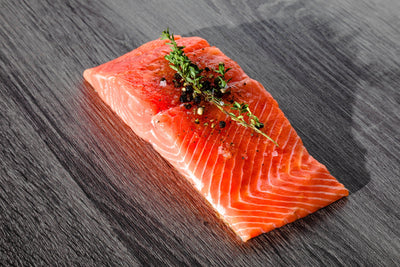
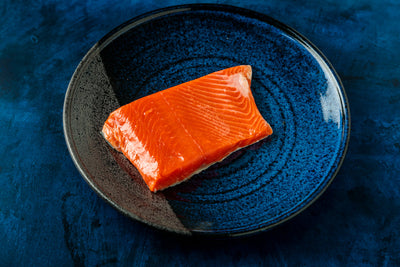
Wild-caught seafood comes from fish that live in their natural environment. Fishermen catch them in oceans, rivers, lakes, and other natural waters. For example, wild Alaska salmon spend their lives in the ocean and rivers before being caught by fishermen.
Farmed seafood, also known as aquaculture, is raised by people. Fish may grow in tanks, ponds, or ocean pens where farmers can monitor their food, growth, and living conditions. Farmed Atlantic salmon, for example, are commonly raised in ocean pens.
Is Wild Caught Seafood Healthier?
If you care about nutrition, you may look at more than just the protein in your seafood. You may also want to know how much fat it contains, where its omega-3s come from, and what else you are getting from each serving.
This is where wild-caught and farmed seafood can differ.
Wild fish find their own food in the waters where they live. Because of this, wild-caught fish are often leaner and have fewer calories and less total fat.
Depending on the species, they may also provide good amounts of minerals such as iron, potassium, and zinc. Their natural diet can lead to a higher amount of omega-3 fats compared with omega-6 fats.
Farmed fish have a different nutritional story. Their food is provided by farmers, and the feed is designed to help them grow. Because of this, some farmed fish have more total fat and omega-3 fats than wild fish of the same species.
The type of feed matters, too. Certain feeds can result in more omega-6 fats, while the feed and farming environment may affect the levels of some contaminants.
Tip: When comparing the nutrition of wild and farmed seafood, the species is an important place to start. A fatty fish such as salmon will have a different nutrition profile from a lean fish, whether it is wild-caught or farmed.
Does Wild Caught Seafood Taste Better?
If you ask me, one of the most noticeable differences between wild-caught and farmed seafood is the way it tastes and feels when you eat it.
Wild-caught fish has a richer, more distinct flavor, while farmed fish tends to have a milder taste that many people describe as smooth or buttery. Of course, taste is personal, so the choice can come down to what you enjoy.
Texture can be just as noticeable. Wild fish spend their lives moving through open water as they search for food and avoid predators. That active lifestyle helps develop firm muscle, which can give wild-caught fish a firmer bite.
Farmed fish live in a more controlled environment and do not need to swim long distances to find food. They are also given feed designed to support steady growth.
This can result in fish with more fat and a softer, more tender texture. That extra fat can also help keep the fish moist while it cooks, which would make it a little more forgiving if it stays on the heat for an extra minute.
Is Wild Caught Seafood Safer?
Seafood safety is not as simple as choosing wild-caught over farmed. Its species, habitat, diet, and handling can all affect the quality and safety of the seafood you eat.
One concern with some wild fish is mercury. Larger fish that eat other fish can collect mercury over time.
This is why fish such as shark, swordfish, and king mackerel can contain higher mercury levels. Mercury can enter natural waters through pollution and build up in fish as they move through the food chain.
Related: FDA’s Top Picks for Low Mercury Fish
Farmed seafood has a different set of factors to consider. Fish raised on farms eat prepared feed, and the quality of that feed can affect what is stored in their bodies.
The conditions around a farm can matter, too. Depending on the location and farming methods, farmed fish may be exposed to contaminants such as PCBs and dioxins.
This does not mean that farmed fish are unsafe or that wild fish are always safer. Regulated fish farms can have low contaminant levels, and some farmed fish may have fewer contaminants than certain wild species.
The same is true in reverse: some wild fish can have very low contaminant levels.
Is Wild Caught Seafood More Sustainable?
Neither wild-caught nor farmed seafood is always the greener choice.
Well-managed fisheries can help protect fish populations and reduce harm to other marine life. Poor fishing practices can put too much pressure on the ocean.
Farmed seafood can also be produced in more or less sustainable ways. The fish species, feed, farming method, location, and waste management can all affect the environment.
For example, some fishing methods can unintentionally catch other marine animals, while certain aquaculture systems may produce more waste or require more resources than others.
At Outer Seas, we take a thoughtful approach to sourcing our seafood. Our salmon is wild-caught using sustainable, low-impact fishing methods, and we follow ethical, eco-conscious practices from harvest through handling.
Related: Tips for Shopping and Eating Sustainable Seafood
Shop Wild Seafood at Outerseas
We choose wild-caught seafood because it aligns with our commitment to responsible sourcing and caring for the waters that provide it.
If you’re looking to add more wild seafood to your table, explore our selection of wild king salmon, wild sockeye salmon, wild black cod, wild halibut, and wild coho salmon.
Each offers its own flavor, texture, and nutritional benefits, so you’ll have plenty of options for your next seafood meal!