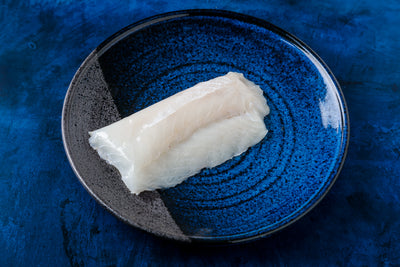
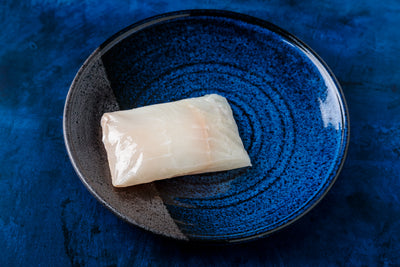
Many adults know the importance of fish in a well-balanced diet. In particular, fish high in omega-3 can do wonders for heart health and provide other essential nutrients. They’ll also make for a delicious meal at least a few times a week.
Learn the best fatty fish for consuming optimal omega-3 levels.
Top 9 Fish High in Omega-3 Fatty Acids
Fish high in omega-3 fatty acids are an excellent choice for a heart-healthy diet. Omega-3 fatty acids support healthy cell growth and reduce the risk of heart disease. Here are some fish that are particularly rich in omega-3s:
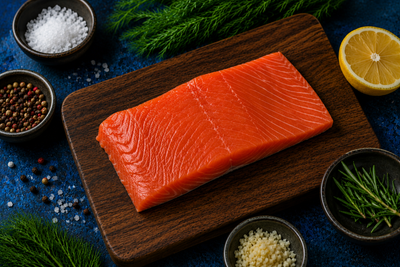
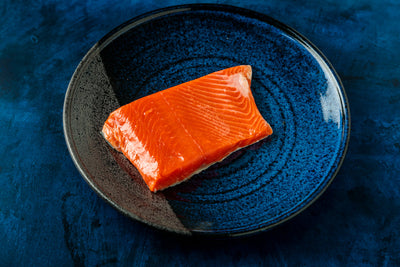
1. Salmon
Salmon is high in omega-3 fatty acids because it feeds on marine organisms like algae and small fish rich in these essential fats.
The omega-3 content in salmon is primarily in the form of two crucial types: EPA (eicosapentaenoic acid) and DHA (docosahexaenoic acid), which are essential for human health, especially cardiovascular and brain health.
On average, a 3.5-ounce (100-gram) serving of cooked salmon contains approximately 1,000 milligrams (1 gram) of omega-3 fatty acids, making it one of the most concentrated omega-3s among commonly consumed fish.
2. Mackerel
Mackerel is an oily fish that feeds on smaller marine organisms like krill and plankton, which are rich in omega-3s.
As mackerel consumes these organisms, it accumulates many omega-3s in its tissues.
On average, a 3.5-ounce (100-gram) serving of cooked mackerel can contain approximately 4,580 milligrams (about 4.6 grams) of omega-3 fatty acids.
This substantial omega-3 content makes mackerel one of the top choices for individuals seeking to boost their intake of these heart-healthy fats, and it's a delicious and nutritious addition to a balanced diet.
3. Sardines
Sardines are small, oily fish that primarily feed on plankton and other tiny marine organisms.
These prey are naturally abundant in omega-3s, and as sardines consume them, they accumulate a significant amount of these essential fats in their flesh.
A typical 3.5-ounce (100-gram) serving of canned sardines can provide around 1,480 milligrams (approximately 1.5 grams) of omega-3 fatty acids.
Sardines are rich in these beneficial fats and convenient and versatile for various culinary applications.
4. Trout
Trout is a freshwater fish that predominantly feeds on aquatic insects and smaller fish, which are sources of omega-3.
A 3.5-ounce (100-gram) serving of cooked trout typically contains approximately 580 milligrams (about 0.58 grams) of omega-3 fatty acids.
While this amount may be somewhat lower than other fatty fish like salmon or mackerel, trout remains an excellent dietary choice for those looking to incorporate omega-3s into their diet. In addition, trout is versatile, making it easy to add to everyday dishes.
5. Anchovies
Anchovies are small, oily fish that primarily feed on plankton and other marine organisms rich in omega-3s.
A typical 1-ounce (28-gram) serving of canned anchovies can provide approximately 1,250 milligrams (about 1.25 grams) of omega-3 fatty acids.
While anchovies are known for their strong and distinctive flavor, they are also a valuable source of omega-3s and can be used in various culinary dishes to boost your intake of these essential fats.
Anchovies are the perfect addition to pasta dishes and sandwiches.
6. Herring
Herring is an oily fish that feeds on smaller marine organisms such as plankton and other small fish that are abundant sources of omega-3s.
A typical 3.5-ounce (100-gram) serving of smoked herring can provide approximately 1,728 milligrams (about 1.73 grams) of omega-3 fatty acids.
This generous omega-3 content makes herring a nutritious choice for individuals looking to enhance their dietary intake of these heart-healthy fats, and it's often enjoyed in various forms, including smoked, pickled, or fresh.
7. Tuna
Tuna is moderately high in omega-3 fatty acids, although not as rich as other fatty fish like salmon or mackerel.
The omega-3 content in tuna is attributed to its diet, as tuna primarily feeds on smaller fish and marine organisms that contain these essential fats.
For example, a typical 3.5-ounce (100-gram) canned albacore tuna contains approximately 370 milligrams (about 0.37 grams) of omega-3 fatty acids.
While tuna may not be the highest source of omega-3s, it still offers nutritional benefits and is a popular choice for those seeking a convenient and versatile protein source in their diet.
Related: Tuna vs. Salmon: What’s the Difference?
9. Pollock
Pollock is a good source of omega-3 fatty acids because it is a cold-water, oily fish that feeds on marine organisms rich in these essential fats.
Pollock's diet consists of smaller fish and zooplankton that contain omega-3s.
A 3.5-ounce (100-gram) serving of cooked pollock typically contains around 170 milligrams (about 0.17 grams) of omega-3 fatty acids.
While it may not be as rich in omega-3s as some other fatty fish, such as salmon or mackerel, pollock still provides a reasonable amount of these beneficial fats and can be a nutritious addition to a balanced diet.
How Much Fish Should You Eat to Achieve Optimal Omega-3 Levels?
According to the U.S. Food and Drug Administration, adults should consume two servings of omega-3-rich fish weekly. A standard single serving size is 4 ounces or 113 grams.
However, pregnant and breastfeeding women should be cautious and ingest no more than 12 ounces or 340 grams of fish weekly. In addition, they should avoid fish high in mercury.
In addition, children younger than two should adhere to a serving size of 1 ounce or 28 grams to get the appropriate omega-3 levels in their diet.
Summary
While you can get the same heart benefits from an omega-3 supplement, nothing beats the natural advantage of consuming high-fat fish like salmon, trout, and anchovies. With a perfectly balanced diet of leafy greens and fish with omega-3 fatty acids, you can enjoy lower blood pressure and a decreased risk of irregular heartbeats.
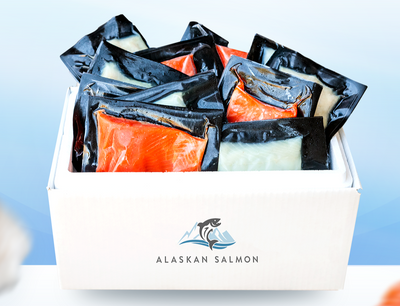
If you're after the finest salmon, our wild caught sockeye salmon is an excellent choice. From Alaska's pristine waters, this premium fish combines rich flavor with outstanding nutrition!