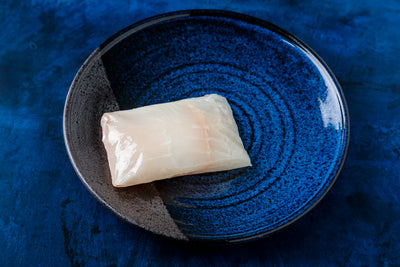
Cod is one of the most popular white fish varieties in American kitchens, but like all fresh seafood, it has a limited window before it starts to turn. The quickest way to tell if cod has gone bad is to smell it: fresh cod smells mild or has no scent at all, while spoiled cod gives off a strong, sour, or ammonia-like odor.
Below are the signs to watch for, how long cod stays fresh, and what to do if something seems off. (Not sure which type of cod you are working with? Start there.)
Key Takeaways
- Smell is the fastest test. Fresh cod smells mild; spoiled cod smells sour or like ammonia.
- Texture matters. Slimy, sticky, or mushy flesh is a sign of spoilage.
- Color shifts such as grey, yellow, or milky patches suggest the cod should be discarded.
- Fridge life is short: up to 2 days for raw cod, 3 to 4 days for cooked.
- Freezer life is long: 6 to 8 months for lean fish like cod when stored at 0°F or below.
- When in doubt, throw it out.
How to Tell If Cod Is Fresh at the Store
Knowing what good cod looks like helps you catch problems before they reach your kitchen.
Appearance of Fresh Cod
When selecting cod at the store, look for these signs of freshness:
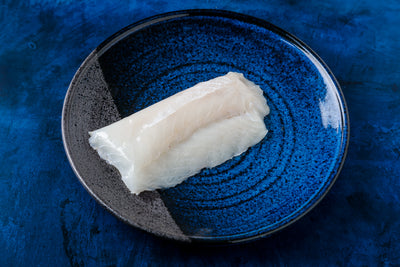
- Color: Pearly white or slightly translucent flesh, with no dark spots around the edges
- Moisture: Moist but not wet or sitting in excess liquid
- Firmness: Flesh that springs back when pressed, per the FDA
- Whole fish: Clear, bright eyes and red gills
Smell of Fresh Cod
Fresh cod should smell mild, if it has any scent at all. The FDA states that fresh fish should "smell fresh and mild, not fishy, sour, or ammonia-like." A neutral smell is one of the strongest indicators that your cod is safe to buy.
What to Look for with Frozen Cod
The FDA advises checking that frozen cod packaging is not open, torn, or crushed. Avoid packages with visible frost or ice crystals, which may signal long storage or repeated thawing. The fish inside should feel solid, not bendable.
Signs Cod Has Gone Bad (Smell, Texture, Color)
If something feels off about your cod, it probably is. Similar signs apply to other fish like salmon, too.
The Smell Test
Smell is the most reliable indicator, so start there. If your cod gives off a sour or ammonia-like scent, that is a strong sign of spoilage. The FDA warns that if you detect "sour, rancid, or fishy odors" in raw or cooked seafood, you should not eat it, and adds that any "fleeting or persistent ammonia odor" in cooked seafood is also a reason to discard it. What does spoiled cod smell like? Sharp and unpleasant, far removed from the mild scent of a fresh fillet.
Changes in Texture and Feel
Fresh cod feels firm and slightly springy, while spoiled cod develops a slimy, sticky coating. The flesh may also feel mushy or soft when pressed rather than bouncing back. If the fillet leaves a slippery residue on your fingers, it is best to discard it.
Discoloration and Visual Clues
Color changes are another signal. Watch for:
- Milky or glossy appearance replacing the natural translucence
- Grey, yellow, or bluish patches on the surface
- Darkening or drying around the edges
- Brown bloodlines on whole fish (fresh bloodlines are red)
Any of these visual shifts may indicate the cod should be discarded.
How Long Cod Lasts in the Fridge and Freezer
How long is cod good in the fridge? The answer depends on whether the cod is raw, cooked, or frozen.
Raw Cod in the Refrigerator
The FDA recommends the following for raw cod storage:
- Store at 40°F (4°C) or below
- Use within 2 days of purchase
- Keep it in the coldest part of the fridge, sealed tightly
- Never leave it out of refrigeration for more than 2 hours, or more than 1 hour on days above 90°F
Cooked Cod Storage
Cooked cod stored in an airtight container generally stays good for 3 to 4 days in the refrigerator, following the same USDA guidelines that apply to cooked meat and poultry leftovers. When reheating, bring all leftovers to an internal temperature of 165°F before eating. For guidance on initial cooking temperatures, see this cod internal temperature guide.
Freezer Storage for Cod
According to FoodSafety.gov, lean fish like cod and halibut can be stored in the freezer for 6 to 8 months while maintaining quality. A few tips:
- Wrap fillets tightly in plastic wrap or moisture-proof freezer paper
- Place wrapped fillets in a freezer-safe bag, removing as much air as possible
- Label each package with the date so you can track freshness
- Store at 0°F (-18°C) or below
When thawing, the safest method is overnight in the refrigerator. For a faster option, seal the fillet in a plastic bag and submerge it in cold water. Avoid thawing on the counter, as bacteria multiply rapidly between 40°F and 140°F.
What Happens If You Eat Bad Cod
Eating spoiled fish is not just unpleasant; it can make you sick. Cooking may kill bacteria, but it does not remove all toxins that build up during spoilage, so heat alone may not make questionable cod safe.
Symptoms of Foodborne Illness from Fish
The FDA notes that symptoms usually appear within 1 to 3 days, though onset can range from 20 minutes to 6 weeks. Common symptoms include:
- Nausea, vomiting, and diarrhea
- Abdominal cramps and pain
- Fever, headaches, and body aches
When to Seek Medical Attention
Most mild cases resolve on their own with rest and hydration. Contact a healthcare provider if:
- Symptoms are severe or persist beyond a day or two
- The person affected is a young child, an older adult, or is pregnant
- The person has a weakened immune system
How Wild-Caught, Flash-Frozen Seafood Stays Fresher Longer
Most cod sold at grocery stores has been previously frozen. The difference is in when and how that freezing happens.
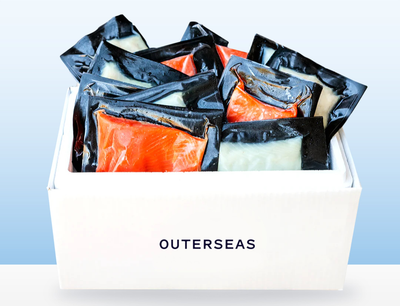
Commercially caught cod is often frozen on the vessel within hours of harvest, a method known as flash-freezing. Rapid freezing at extremely low temperatures locks in moisture and texture in ways that slow home freezing cannot.
When cod is flash-frozen and vacuum-sealed right after harvest, it skips the days of transit and display-case sitting that wear down freshness. For home cooks who want quality cod on hand without racing against a two-day fridge window, a flash-frozen fillet can hold its quality for months. One thing to know: black cod and true cod are different species, but both benefit from this approach.
Conclusion
Telling whether cod has gone bad comes down to paying attention: use your nose, check the texture, and look at the color. When in doubt, throw it out.
Starting with cod you can trust makes a difference, too. At Outerseas, wild-caught fish is flash-frozen within hours of harvest and shipped straight to your door. Shop Alaskan Black Cod.
FAQs
How do you know if cod has gone bad?
Spoiled cod typically has a strong, ammonia-like smell, a slimy or sticky texture, and discoloration such as grey or yellowish patches. Fresh cod should smell mild, feel firm, and appear white or slightly translucent. If any of those qualities are off, the cod is likely spoiled and should be discarded.
Can you eat cod that smells slightly fishy?
A very faint ocean-like scent is normal, but a noticeable "fishy" odor usually means bacterial breakdown has started. The FDA advises that fresh fish should smell mild, not fishy. If the smell catches your attention, discard the fillet.
Is it safe to eat cod past the sell-by date?
Sell-by dates are guidelines for retailers, not hard expiration dates. If your cod has been properly refrigerated and still looks, smells, and feels fresh within a day or two past that date, it may still be fine. Your senses are a better guide than the date alone.
How long does cooked cod last in the fridge?
Cooked cod stored in an airtight container at 40°F or below generally remains safe for 3 to 4 days. Beyond that, discard it even if it looks and smells normal, as some harmful bacteria do not produce obvious spoilage signs.
Can you refreeze cod after thawing?
Refreezing is possible if the cod was thawed in the refrigerator and kept cold, but texture and flavor may suffer with each cycle. Cod thawed using cold water or the microwave should be cooked before refreezing.
What does spoiled cod smell like?
Spoiled cod has a strong, sharp, ammonia-like or sour odor. Fresh cod, by contrast, has little to no smell. A pungent scent means bacterial activity is at work, and the fillet should go in the trash.
What is the white stuff that comes out of cod when cooking?
The white substance is albumin, a harmless protein that rises to the surface when cod is heated. It is safe to eat and does not indicate spoilage. Cooking at a lower temperature or brining the fillet briefly in salted water can reduce how much appears.
Can cooking bad cod make it safe to eat?
Not necessarily. Cooking may kill bacteria, but some toxins produced during spoilage, like histamine, are heat-stable and can survive high temperatures. If your cod shows signs of spoilage before cooking, it is safer to discard it.
Is cod high in mercury?
Cod is considered a lower-mercury fish. The FDA places cod in its "Best Choices" category, which the agency recommends eating two to three servings per week for those who are pregnant or breastfeeding, and two servings per week for children. For the general population, cod remains one of the lowest-mercury options available. Larger predatory fish like swordfish and king mackerel, by contrast, fall into the FDA's "Choices to Avoid" category due to their higher mercury levels.