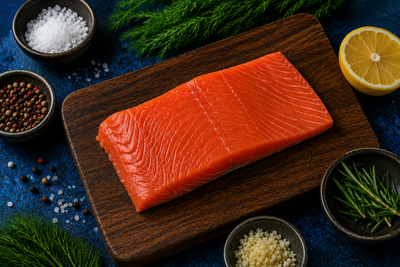
Walk up to any seafood counter in the U.S., and you'll probably see two names side by side: king salmon and sockeye salmon. Both are wild-caught from Alaska's cold waters. Both are loaded with protein and omega-3s. But put them on the same plate, and you'll notice they're very different fish.
One is rich and buttery. The other is bold and firm. The price gap between them is real, too. So if you've ever wondered which salmon tastes better, king or sockeye, here's the short answer: king salmon is richer, fattier, and more expensive, while sockeye is leaner, bolder in flavor, and easier on the budget.
Key Takeaways
- King salmon (Chinook) has the highest fat content of any wild salmon, giving it a buttery, mild taste and silky texture.
- Sockeye salmon is leaner with a bolder flavor and firm flesh that holds up on the grill.
- King typically costs $35 to $50 per pound. Sockeye usually falls in the $20 to $30 range.
- Both are excellent sources of omega-3s, protein, vitamin D, and B12.
- Neither is objectively better. The right pick depends on your recipe and your preference.
King Salmon and Sockeye Salmon at a Glance
Here's a quick side-by-side look at how king salmon vs sockeye salmon compare.
| King Salmon (Chinook) | Sockeye Salmon (Red) | |
|---|---|---|
| Size | 20 to 40 lbs (largest Pacific species) | 5 to 8 lbs |
| Fat content | High, roughly 10% or more | Moderate, roughly 5% |
| Flavor | Buttery, mild, rich | Bold, clean, savory |
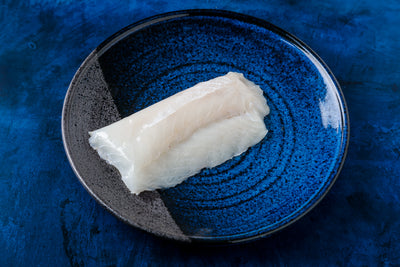
| Texture | Large, soft flakes, silky | Firm, dense, tight flakes |
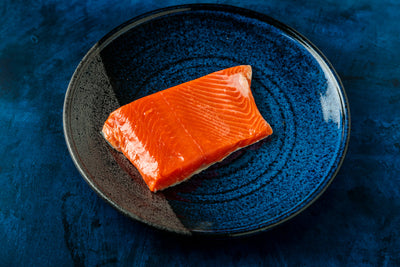
| Flesh color | Orange to deep red | Deep, vibrant red |
| Price | ~$35 to $50/lb | ~$20 to $30/lb |
| Best for | Pan-searing, baking, cedar plank | Grilling, smoking, broiling |
King salmon (Chinook) is the largest of the five Pacific salmon species, typically weighing 20 to 40 pounds (Alaska Department of Fish and Game):
- King has the highest fat content of any wild salmon, which gives it that buttery mouthfeel.
- Smaller runs keep supply limited, with Alaska's total king harvest under 10 million pounds in recent years.
Sockeye salmon (red salmon) is one of the most widely harvested species in Alaska, usually weighing 5 to 8 pounds:
- Sockeye gets its deep-red flesh from a natural diet rich in krill and small crustaceans.
- Runs like Bristol Bay and Copper River regularly exceed 200 million pounds, which keeps sockeye more affordable year-round.
According to NOAA Fisheries, Alaska's salmon fisheries are among the most closely monitored in the world.
Flavor and Fat Content Compared
The simplest way to describe the flavor difference is this: king is rich and mild, while sockeye is bold and clean.
How They Taste
- King salmon has a buttery taste that pairs well with simple seasonings. A squeeze of lemon and a pinch of salt let the natural richness come through. The flakes are large and soft with a silky mouthfeel.
- Sockeye salmon has a stronger, more traditional salmon flavor that stands up to smoky rubs, citrus marinades, and fresh herbs. The flakes are tighter and firmer, helping the fish hold together on the grill.
If you want something that melts on the fork, king is your fish. For a more pronounced, savory bite, go with sockeye.
How the Fat Content Stacks Up
The biggest nutritional difference comes down to fat. According to the USDA FoodData Central database, here's how a 100-gram raw serving compares:
- King salmon: ~179 calories, 20g protein, 10g fat
- Sockeye salmon: ~131 calories, 22g protein, 5g fat
That means king has about twice the fat of sockeye per serving. More fat means more calories, but also a higher concentration of omega-3 fatty acids, which may support heart health. The American Heart Association recommends eating fish rich in omega-3s at least twice per week, and both species fit that guidance well.
Sockeye, on the other hand, is the leaner option with slightly more protein per serving. Both are also excellent sources of vitamin D, B12, selenium, and potassium.
Price and Portion Value
When comparing king salmon vs sockeye price, king is almost always the more expensive option:
- Limited supply: king runs are far smaller than sockeye runs.
- Strict quotas: tighter regulations mean fewer fish reach the market.
- Restaurant demand: king is the species most sought after by chefs.
King often runs $35 to $50 per pound for fillets, while sockeye typically falls in the $20 to $30 range depending on season and source.
What You Get for the Money
Sockeye's lower cost per pound means more servings for the same spend, making it a natural fit for households cooking salmon two or three times a week. King fillets tend to be thicker and denser, so each portion feels more substantial. A practical way to think about it:
- Weekly family dinners or meal prep: sockeye gives you more meals per dollar.
- A special occasion or date night: king salmon is worth the splurge for its rich, buttery payoff.
- Trying both: a variety box lets you compare side by side.
Best Cooking Methods for Each
Choosing the best salmon for grilling, king or sockeye, depends on your comfort level and what else is on the plate.
King salmon works well with:
- Pan-searing
- Baking or slow roasting
- Cedar plank grilling
- Simple preparations where the fish is the centerpiece
Sockeye salmon works well with:
- High-heat grilling (its firm texture resists flaking)
- Smoking
- Broiling
- Dishes with bold marinades or seasoning
Sockeye holds its shape on the grill better because of its firmer flesh. One common mistake, though, is starting sockeye flesh-side down. Always place it skin-side down first, and pull it from the heat just before the center looks fully cooked. Carryover heat will finish the job.
King can go on the grill too, but you'll have more control with an oven or skillet. For more on temperature, check out our salmon internal temp guide, and for another popular species matchup, see our coho salmon vs. atlantic salmon breakdown.
Which One Should You Buy?
Here's a quick way to decide:
- Pick king salmon for special dinners, simple recipes where the fish takes center stage, or a rich, buttery experience.
- Pick sockeye salmon for grilling, smoking, weeknight cooking, or bold seasonings where you want lean protein with real flavor.
Curious about wild-caught vs. farmed? Our wild-caught vs. farmed seafood guide breaks down the differences.
Conclusion
The right choice comes down to how you cook, what flavors you prefer, and what fits your budget. Both species are wild-caught, sustainably managed, and packed with nutrients.
At Outerseas, every fillet is wild-caught in Alaska, flash-frozen on the boat, and shipped straight to your door. No middlemen, no farms, no shortcuts. Whether you go with the buttery richness of wild king salmon or the bold, firm bite of wild sockeye salmon, you're getting the same fish served in top restaurants nationwide.
FAQs
What is the main difference between king salmon and sockeye salmon?
King salmon has a higher fat content, which gives it a buttery, mild flavor and silky texture. Sockeye is leaner, with a bolder, more pronounced salmon taste and firmer flesh. Fat content is the single biggest factor that separates the two.
Which salmon tastes better, king or sockeye?
Neither is universally "better." King has a milder, richer taste that suits people who prefer a less fishy flavor. Sockeye has a stronger, more savory taste that many seafood lovers enjoy. Your personal preference and your recipe will guide the better pick.
Is king salmon worth the higher price?
For a special meal where the fish is the star, many home cooks find king worth the extra cost. For everyday cooking, sockeye delivers excellent flavor and nutrition at a lower price point.
Can I grill both king and sockeye salmon?
Yes. Sockeye is generally the easier of the two because its firm texture holds together over high heat. King can also work on the grill, but its softer texture benefits from gentler heat or a cedar plank.
Which salmon has more omega-3 fatty acids?
King salmon has more total omega-3s per serving because of its higher fat content, though sockeye is still an excellent source. Both species contribute toward the American Heart Association's recommendation of eating fish rich in omega-3s at least twice a week.
Are king and sockeye salmon both wild-caught?
In Alaska, yes. All commercially harvested king and sockeye from Alaska are wild-caught. Alaska does not permit salmon farming. Both species are managed under strict regulations through the Alaska Department of Fish and Game and NOAA Fisheries.
Sources
- USDA FoodData Central: Nutrition data for raw Chinook salmon (179 calories, 20g protein, 10g fat per 100g) and raw sockeye salmon (131 calories, 22g protein, 5g fat per 100g). FDC IDs 173688 and 173691.
- NOAA Fisheries, Alaska Salmon Fisheries: Federal management overview confirming Alaska's salmon fisheries are managed under the Fishery Management Plan for salmon in the EEZ off Alaska, with oversight deferred to the State of Alaska and the Department of Fish and Game.
- Alaska Department of Fish and Game, Chinook Salmon Species Profile: Species information confirming Chinook (king) salmon is the largest Pacific salmon species, with commercial catches typically ranging from 20 to 40 pounds.
- American Heart Association, Fish and Omega-3 Fatty Acids: AHA recommendation to eat two servings of fish (particularly fatty fish like salmon) per week. Published in the AHA's journal Circulation.