Black cod shows up on fine-dining menus at $40 a plate. A standard piece of Atlantic cod at the grocery store costs a fraction of that. So the question comes up often, is black cod worth the price?
For most home cooks, the answer is yes. Sablefish delivers more omega-3s per serving than any other commonly available white fish, and its high fat content makes it one of the most forgiving fish to cook at home.
Key Takeaways
- Black cod (sablefish) is not actually cod, but a completely different species with a richer flavor and much higher fat content.
- One serving may cover your full daily recommended intake of omega-3 fatty acids.
- Expect to pay ~$10/lb at Costco or 15-30/lb from online retailers, versus 7-12/lb for regular Atlantic cod.
- High fat content makes sablefish one of the most forgiving fish to cook at home.
What Is (Sablefish)?
Despite the name, black cod is not actually cod. Sablefish belongs to the Anoplopomatidae family, while true cod belongs to the Gadidae family. For a full breakdown, see our guide on black cod vs. cod.
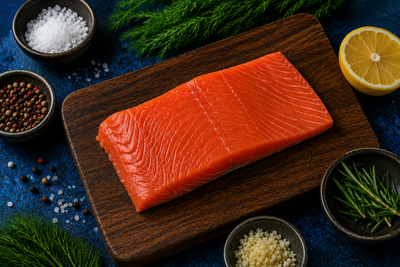
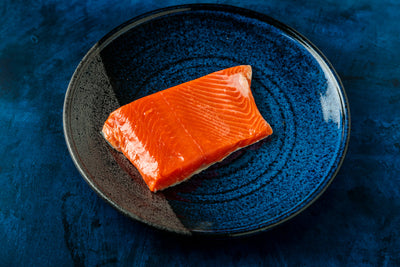
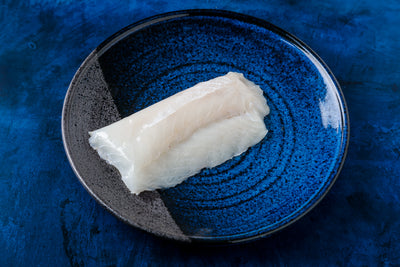
Sablefish live in the deep, cold waters of the North Pacific, from Alaska to California. According to NOAA FishWatch, sablefish can live more than 90 years. What sets them apart at the table is the meat itself: snow-white, large-flaked, and rich with a buttery texture unlike any other white fish.
Why Black Cod Costs More Than Other Whitefish
Several factors push the black cod price per pound above what you would pay for grocery store fish.
Deep-Water Harvesting Adds Cost
Sablefish live on the ocean floor, often at depths of over 1,000 feet. Catching them requires specialized longline gear, heavy-duty boats, and trained crews. NOAA confirms that longlines are the primary harvest method in Alaska, and the costs involved are significantly higher than trawling for common species like pollock or Atlantic cod.
Catch Limits Keep Supply Tight
Federal and state agencies set strict annual catch limits to prevent overfishing. NOAA FishWatch confirms that sablefish populations are not being overfished and fishing rates are at recommended levels, but the tradeoff is a limited amount of fish reaching the market each season. Sablefish also cannot be farmed affordably, so nearly all supply comes from wild fisheries.
High Demand from Restaurants and Export Markets
Sablefish has been prized in Japanese cuisine for decades, and a large share of the Alaskan harvest still goes to Japan. Domestically, high-end restaurants feature black cod as a premium menu item. People often wonder why black cod is expensive, and the answer comes down to a combination of difficult harvesting, tight regulations, and strong demand.
What You Get for the Price: Fat Content, Texture, Flavor
Scarcity is only part of the story. The eating experience is genuinely different from what grocery store whitefish can offer.
A Higher Fat Content Changes Everything
The fat content gap between sablefish and regular whitefish is massive, according to USDA nutrient data:
- Black cod (sablefish): ~15 g fat per 100g serving
- Atlantic cod: ~0.7 g fat per 100g serving
A ratio of more than 20 to 1 is what gives black cod its signature buttery, melt-in-your-mouth texture. Most of that fat comes from omega-3 fatty acids, and all that natural oil makes sablefish nearly impossible to dry out.
Forgiving to Cook
Lean fish like tilapia or Atlantic cod dry out quickly if you leave them on the heat a minute too long. Sablefish does not. The high fat content keeps the flesh moist and tender across almost any cooking method. Our cod internal temperature guide can help you get the temperature right, and our blackened cod with avocado corn salsa is a great place to start on a weeknight.
A Flavor Profile You Cannot Replicate with Grocery Store Cod
Black cod has a naturally rich, silky flavor that many chefs compare to the indulgence of halibut, but with more depth. When you see "butterfish" on a restaurant menu, sablefish is often what the kitchen is serving.
Black Cod vs. Grocery Store Whitefish: A Value Comparison
When you compare sablefish vs. grocery store fish on nutrition, the gap is clear. Here is how they stack up per 3.5 oz (100g) raw serving, based on data from the Alaska Seafood Marketing Institute and USDA:
- Black cod (sablefish): ~1,792 mg omega-3 (EPA+DHA), 13- 15 g protein, 195 calories
- Atlantic cod: ~180 mg omega-3 (EPA+DHA), 18g protein, 82 calories
- Farm-raised tilapia: ~90 mg omega-3 (EPA+DHA), 20g protein, 96 calories
- Sockeye salmon: ~720 mg omega-3 (EPA+DHA), 22g protein, 131 calories
You would need roughly 10 servings of Atlantic cod to match the omega-3s in a single serving of sablefish. According to the Alaska Seafood Marketing Institute, wild sablefish has the highest omega-3 content of any commercially harvested Alaska seafood.
The pricing gap between these fish is also worth understanding. Here is how current costs compare across common options:
- Farm-raised tilapia: $3 to $6 per pound
- Atlantic cod: $7 to $12 per pound
- Wild sablefish (Costco): $9.99 to $13.99 per pound
- Wild sablefish (online, direct from Alaska): $15 to $30 per pound
On the sustainability and safety front, the Monterey Bay Aquarium's Seafood Watch rates most Alaska sablefish fisheries as a "Best Choice" or "Good Alternative." The FDA places sablefish in its "Good Choices" category for mercury (one serving per week), well below higher-risk fish like swordfish or king mackerel.
How Direct-from-Fisherman Sourcing Affects the Price
Most seafood in grocery stores passes through four or five hands before reaching the counter, and each step adds cost and time:
- Fishing vessel → processor → distributor → wholesaler → retailer
A piece of farmed whitefish sitting at the counter may be days or weeks removed from the water. Direct-from-fisherman sourcing shortens that chain. When wild-caught seafood is flash-frozen on the boat and shipped straight to your door, the middlemen and their markups are gone. A seafood shipped direct from Alaska may look pricier at the register, but once you factor out the supply chain markups and compare what you actually get per serving, the math starts to favor direct sourcing.
Is Black Cod Worth Trying? Who It's For
Not every home cook needs black cod every week. But for certain buyers, sablefish fills a gap that grocery store whitefish cannot.
- The weeknight cook who hates dry fish. Sablefish is forgiving. High fat content means a few extra minutes on the heat will not ruin dinner.
- The health-focused buyer. One serving of black cod may deliver a full day's worth of omega-3s. No other commonly available white fish comes close.
- The special-occasion cook. A miso-glazed black cod or a simple pan-sear with lemon makes an impressive plate without restaurant-level skill.
So, is black cod worth the price? For anyone who values flavor, nutrition, and a fish that is nearly impossible to ruin at home, sablefish earns its premium.
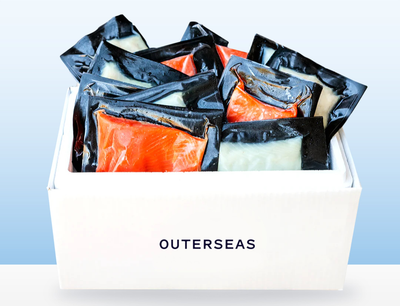
At Outerseas, we catch wild Alaskan black cod using sustainable longline methods and flash-freeze every fillet on the boat. Every order ships direct, with no middlemen and no long supply chains. A 12-pack of fillets starts at $198, and you can Subscribe & Save 8% on every delivery. Read our story to see how we got here.
Shop Alaskan Black Cod and taste the difference yourself.
FAQs
Is black cod the same as regular cod?
No. Sablefish belongs to the Anoplopomatidae family, while true cod belongs to the Gadidae family. The flavor, texture, fat content, and nutritional profile are all very different.
How much does black cod cost compared to regular cod?
Black cod typically costs $10 to $30 per pound depending on where you buy, while regular Atlantic cod runs $7 to $12 per pound at most U.S. grocery stores. The gap reflects differences in harvesting costs, supply, and nutritional density.
Why is sablefish so expensive compared to other white fish?
Sablefish live in deep ocean waters and require specialized gear to catch, and strict federal catch limits keep supply limited. Strong demand from restaurants and international buyers, particularly in Japan, also pushes the price higher than more common white fish.
Is black cod healthy?
According to the Alaska Seafood Marketing Institute, a 3.5 oz serving contains roughly 1,792 mg of omega-3 fatty acids (EPA and DHA), which may support heart and brain health. The FDA places sablefish in its "Good Choices" category for mercury, and the Monterey Bay Aquarium rates most Alaskan sablefish fisheries as a "Best Choice" for sustainability.
Can you overcook black cod?
Black cod is one of the hardest fish to overcook. The high natural fat content keeps the flesh moist and tender even at higher temperatures or longer cook times. Pan-searing, baking, grilling, and broiling all work well.
Where can I buy sablefish in the U.S.?
Costco, Whole Foods, and Asian markets sometimes carry sablefish. Specialty fishmongers and online seafood retailers that ship flash-frozen fillets directly from Alaska are also good options, often with better traceability than the typical grocery counter.