Eating seafood twice a week sounds simple until you are standing in the kitchen at 7 PM on a Tuesday with nothing thawed. The Dietary Guidelines for Americans 2020–2025 recommend at least 8 ounces of seafood per week, but most Americans only manage about 2.7 ounces. The reason is rarely a lack of interest. Cooking fish from scratch on a busy weeknight just takes more planning than most people have energy for.
Meal prepping fixes that. One cooking session on a Sunday, a few good fillets, and you can have healthy seafood meal prep dinners ready through Friday. Here's how to make it work.
Key Takeaways
- Salmon, black cod, halibut, and cod hold up well in the fridge and reheat without drying out.
- Flash-frozen, vacuum-sealed fillets make portioning simple. Just thaw what you need.
- Five cooking methods (sheet pan, pan-sear, air fry, poach, fish cakes) give you variety from one session.
- Cooked fish stays safe in the fridge for 3–4 days at 40°F or below, per USDA guidelines.
- One batch of sockeye salmon can carry five different dinners when you switch up the sides and sauces.
Why Wild-Caught Seafood Works for Meal Prep
Wild-caught fish from cold Alaskan waters tends to have a firmer texture and cleaner flavor than farmed alternatives, and firmer fish holds up better after a day or two in the fridge.
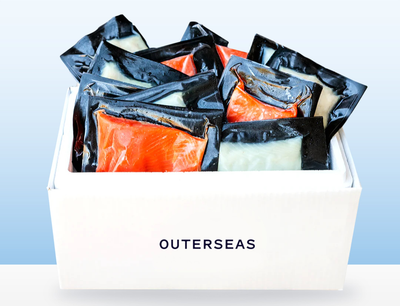
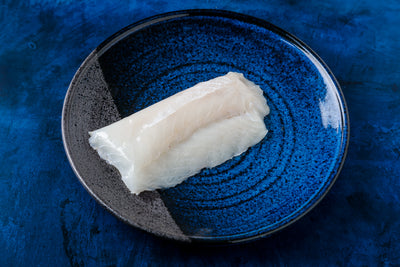
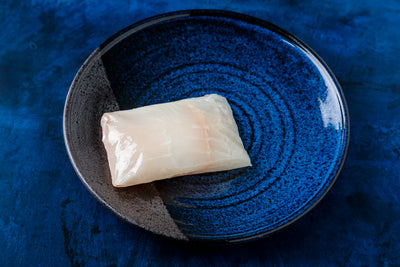
When that fish is also flash-frozen within hours of the catch and vacuum-sealed into individual portions, you get a few major advantages:
- Consistent portion sizes. Each piece is ready to thaw and cook, with no cutting or weighing involved.
- Longer freezer runway. Vacuum-sealed fish keeps well for months, so you can stock up and pull what you need each week.
- Peak freshness locked in. Flash-freezing preserves texture and nutrients at the point of catch, not the point of sale.
For a closer look at how sourcing affects quality, see wild-caught vs. farmed seafood.
Portioning and Thawing a Week's Worth of Fish
A solid weekly plan starts with the right amount of fish, based on four to five seafood dinners per week:
- One person: 4–5 individual fillets (roughly 5–6 ounces each)
- Couple: 8–10 fillets
- Family of four: 16–20 fillets
How to Thaw Safely
The FDA recommends thawing frozen fish overnight in the refrigerator. Pull your fillets from the freezer the night before prep day, and they will be ready by morning. A few things to keep in mind:
- Never thaw fish on the counter. Room temperature encourages bacteria growth.
- Remove fish from vacuum-sealed packaging before thawing. Sealed packaging creates a low-oxygen environment where certain harmful bacteria can grow, even at fridge temperatures. Opening the package lets air in and reduces that risk. Place the fish on a plate or in a container to catch any drips.
- Cold water thaw works in a pinch. Place the fish in a zip-top bag and submerge in cold water for 30–60 minutes if you forgot to move it to the fridge the night before.
Five Simple Prep-Ahead Cooking Methods
Wild-caught fish cooks fast, usually in under 15 minutes. Here are five methods that produce meals worth eating days later.
1. Sheet Pan Baking
Sheet pan baking is the workhorse of seafood meal prep ideas. Season your fillets, spread them across a lined sheet pan at 400°F, and bake for 10–12 minutes. Roast vegetables on the same pan for a complete meal from a single tray.
2. Pan-Searing
Pan-searing works best for fattier fish like wild sockeye salmon or black cod. Cook skin-side down for 3–4 minutes over medium-high heat, flip, and finish for another 2–3 minutes. The crispy skin holds up well in the fridge.
3. Air Frying
Air frying uses minimal oil and produces a great texture. Set the air fryer to 380°F and cook fillets for 8–10 minutes. The exterior stays pleasantly crisp and does not go soggy during storage.
4. Poaching
Gentle poaching in broth, coconut milk, or seasoned water keeps fish incredibly moist. If your meal prep of salmon for the week includes cold meals, poaching is a strong choice because the fish tastes just as good chilled in a salad or grain bowl.
5. Fish Cakes
To make fish cakes, flake cooked fish and mix it with an egg, breadcrumbs, and your choice of seasonings, then pan-fry into patties. Fish cakes freeze beautifully and reheat in a skillet in about 5 minutes.
Whichever method you choose, the USDA recommends cooking fish to an internal temperature of 145°F. For detailed guidance, see the salmon cooking temperature guide.
Storage: How Long Prepped Fish Lasts in the Fridge
According to the USDA Food Safety and Inspection Service, cooked seafood stays safe in the refrigerator for 3–4 days at 40°F or below.
A few tips that make a real difference:
- Use glass, airtight containers. Glass does not absorb odors and can go straight from the fridge to the oven.
- Cool food completely before refrigerating. Putting hot containers in the fridge raises the overall temperature inside.
- Store sauces separately, since fish and grains get soggy if they sit in dressing overnight.
- Freeze what you will not eat in 3–4 days. Cooked salmon, cod, and black cod all freeze well for 2–3 months.
If you are wondering how long salmon lasts in the fridge, the short answer is 3–4 days for cooked and 1–2 days for raw.
Sample 5-Day Meal Prep Plan with Wild Sockeye Salmon
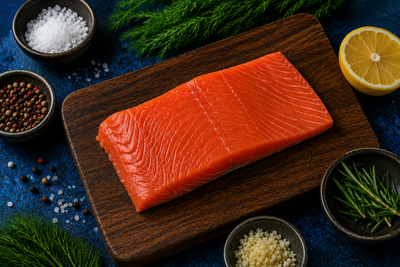
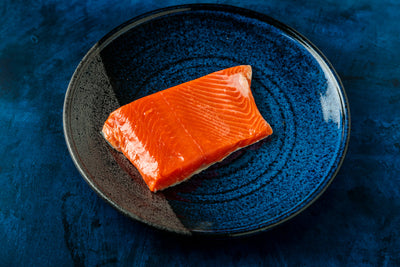
Wild sockeye salmon is a reliable go-to when you plan a week of batch cooking of salmon. A 3.5-ounce serving provides roughly 20 grams of protein (per USDA FoodData Central), and the higher fat content keeps it moist after refrigeration.
Here is a sample week built around one batch of baked sockeye plus prepped grains and vegetables:
- Monday: Sockeye salmon over brown rice with roasted broccoli and lemon-tahini dressing.
- Tuesday: Salmon grain bowl with quinoa, roasted sweet potatoes, and yogurt-dill sauce.
- Wednesday: Salmon lettuce wraps with pickled onions and avocado. For a recipe, try these salmon lettuce boats.
- Thursday: Cold salmon salad over arugula with cherry tomatoes and a simple vinaigrette. For more ideas like this, check out salmon lunch ideas.
- Friday: Salmon fried rice using leftover rice and vegetables, a simple riff on Alaskan salmon fried rice.
Five nights from one protein, with zero repetition. The variety comes from switching up the sides and sauces, not the fish.
Why the Premium Fish Variety Box Suits Meal Prep
Once you have the weekly salmon routine down, adding variety keeps things going long-term. The Premium Fish Variety Gift Box includes several wild-caught species, all individually portioned and vacuum-sealed:
- Wild Sockeye Salmon for bold-flavored bowls and salads
- Coho Salmon for a milder, lighter option
- Halibut for stir-fries and tacos
- King Salmon for the richest, most indulgent prep nights
For wild-caught fish meal prep, that format is ideal. You can pull a different species each week or mix two types in a single prep session, so there is no single-species fatigue and no wasted fish.
Conclusion
A Sunday afternoon prep session can set you up with five nights of healthy, genuinely good dinners.
Outerseas delivers wild-caught, flash-frozen Alaskan fish straight to your door, vacuum-sealed and individually portioned for exactly this kind of weekly routine. Same fishermen, same boats, season after season.
Shop Wild Sockeye Salmon to get started, and subscribe and save 8% on every order.
FAQs
How long does meal-prepped fish last in the fridge?
Cooked fish stays safe for 3–4 days in the refrigerator at 40°F or below, according to USDA guidelines. Use airtight containers, let the fish cool completely before refrigerating, and freeze anything you will not eat within that window.
Can you meal prep fish for 5 days?
Staying within 3–4 days is safer. If you need meals for a full five days, cook a fresh batch midweek or freeze portions from your first cook and thaw them for days four and five.
What is the best fish for meal prep?
Salmon is the most popular choice because its higher fat content keeps it moist after refrigeration. Black cod and halibut are also strong picks. A leaner fish like cod works best when paired with a sauce or dressing to add moisture.
Does salmon taste good reheated?
Salmon reheats well when you keep the temperature low. Warm it gently in a 275°F oven covered with foil, or eat it cold in a salad or wrap. Avoid high heat, which dries the fish out.
How much seafood should I eat per week?
The Dietary Guidelines for Americans 2020–2025 recommend adults eat at least 8 ounces per week, roughly two servings. Meal prepping makes reaching that goal much easier.
Is wild-caught fish better for meal prep than farmed?
Wild-caught fish may have a firmer texture and more distinct flavor, both of which can hold up better during storage and reheating. For a deeper look, see wild-caught vs. farmed seafood.
Sources
- U.S. Department of Agriculture and U.S. Department of Health and Human Services. Dietary Guidelines for Americans, 2020–2025. 9th Edition. December 2020. Referenced for the recommendation that adults consume at least 8 ounces of seafood per week and the finding that most Americans eat only about 2.7 ounces.
- USDA Food Safety and Inspection Service. Steps to Keep Food Safe. Referenced for the Cold Food Storage Chart, which states that cooked fish and shellfish can be safely refrigerated for 3–4 days at 40°F or below, and for the safe minimum internal cooking temperature of 145°F for fish.
- USDA FoodData Central. Fish, Salmon, Atlantic, Wild, Raw (FDC ID 173686). Referenced for the protein content of wild Atlantic salmon: approximately 19.8 grams per 100 grams (roughly 20 grams per 3.5-ounce serving).
- U.S. Food and Drug Administration. Selecting and Serving Fresh and Frozen Seafood Safely. Referenced for thawing guidance: thaw frozen seafood gradually by placing it in the refrigerator overnight, and never thaw at room temperature.